Have you ever felt that the discussion about renewable energy is just a theory on paper-complicated, technical, and far from everyday life?
In fact, renewable energy is actually getting closer to us, even becoming an important part in efforts to save the Earth from an increasingly real climate crisis.
Imagine, in 2022 alone, Indonesia will be able to produce about 65 Terawatt hours (TWh) of electricity from renewable energy sources—enough to light more than 114 thousand 1,000-watt homes for a full year. This is not a small number, and it clearly shows that changes are taking place.
At the global level, the shift to clean energy is also progressing rapidly. Since 2000, the proportion of electricity from renewable energy in the world jumped from 19% to more than 30% by 2023.
This remarkable growth was largely driven by the utilization of solar and wind power which jumped from just 0.2% to 13.4%.
Indonesia is starting to move in line with this global trend. However, in order to achieve a complete clean energy transition, there are still many challenges to be faced.
Let's go deeper: how the wave of renewable energy in the world affects Indonesia's steps, and what roles we can take towards a greener and more sustainable future.
New and Renewable Energy (EBT) is a term that appears more and more frequently in discussions around sustainability and the energy transition. According to the Ministry of energy and Mineral Resources (ESDM), EBT is a source of energy derived from natural processes that take place in a sustainable manner, such as solar energy, wind, water, geothermal, and biomass.
These energy sources are called' Renewable ' because they can be renewed naturally in a relatively short time, unlike fossil energies that take millions of years to form. In the journal Renewable and Sustainable Energy Reviews, renewable energy is defined as energy that comes from nature and will not run out, as long as it is managed wisely. For example, the sun will continue to shine and produce energy as long as it is still there, as well as the wind is always present as long as there is movement of air in the atmosphere.
In addition, according to Dr. Herman Darnel Ibrahim, one of the renewable energy experts in Indonesia, EBT is not only environmentally friendly, but also has great potential in strengthening national energy independence.
Basically, new and renewable energy is clean energy that can be renewed naturally and is the main key in realizing a sustainable energy system in the future.
Having understood what new and Renewable Energy (EBT) is, it is time for us to dive deeper: why is EBT the main highlight in the global effort towards sustainability?
The answer lies in the wide range of real benefits offered by renewable energy. Come on, check out the following points!
One of the main advantages of renewable energy is its very minimal impact on the environment. Energies such as solar and wind generate almost no greenhouse gas emissions during the electricity generation process.
In contrast, coal-fired power plants are still the largest contributor to carbon dioxide (CO₂) emissions, which is about 40% of total global emissions.
This fact makes renewable energy an important solution to slow the pace of climate change and maintain the quality of the air we breathe every day.
Did you know that most of the conventional energy sources we rely on today—such as coal and petroleum—are finite and will eventually run out?
This is where renewable energy comes in as the answer. Resources such as sun, wind, and water will continue to be available as long as nature exists.
Citing a National Geographic report in 2024, solar energy that illuminates the Earth in just one hour is enough to meet the energy needs of the entire world for a whole year. Incredible, isn't it?
The use of renewable energy also plays a major role in encouraging sustainable technological innovation.
Growing demand every year Spurs the development of a wide range of technical solutions, from increasingly efficient solar panels to more durable and cost-effective energy storage systems (such as batteries).
This not only supports the global energy transition, but also opens up new economic opportunities in the green technology sector.
The renewable energy sector not only offers environmental solutions, but also opens up vast economic opportunities.
With the growth of this industry, a wide variety of jobs are created—from technology research and development, to the production of components such as turbines and solar panels, to the installation and maintenance of energy systems.
According to the International Renewable Energy Agency (IRENA) report in 2023, more than 12 million people worldwide have worked in the renewable energy sector. This figure continues to increase with the increase in clean energy projects in various countries.
The transition to renewable energy also creates local employment opportunities, especially in remote areas that have been difficult to reach by conventional energy infrastructure. This can encourage regional economic growth and narrow the development gap between regions.
One of the strategic advantages of renewable energy is its ability to reduce the country's dependence on fossil fuel imports.
By utilizing local resources such as solar, wind, water, or geothermal, countries can increase energy independence while reducing the risk of instability due to fluctuations in world oil prices.
In addition, renewable energies offer better price stability in the long term. Because the sources come from nature and are freely available—such as sunlight or wind—the operating costs of renewable energy plants tend to be lower and unaffected by the volatility of global energy markets.
This makes renewable energy a strategic choice, both in terms of the economy and National Energy Security.
When we talk about renewable energy, we're actually talking about the incredible power of nature—the power that can be harnessed to meet human energy needs without burdening the environment.
These energy sources come from ongoing natural processes and can be renewed sustainably. Some of these include sunlight, wind, water (hydro), geothermal, and biomass. In contrast to fossil energy, which is limited and takes millions of years to form, renewable energy sources are available in large quantities and can continue to be utilized in the long term.
So, what about the potential for renewable energy in Indonesia? As it turned out, our country holds enormous potential in this regard. Indonesia's geographical location on the equator makes it rich in exposure to sunlight throughout the year-an important advantage for the development of solar energy.
Not only that, Indonesia as an archipelago surrounded by the sea and has many mountains, also holds great potential in the wind, water and geothermal energy sectors.
In fact, Indonesia is said to be one of the countries with the largest geothermal reserves in the world—about 40% of the total global geothermal reserves are located here. This makes geothermal one of the most strategic local energy sources.
Understanding the concept of renewable energy is not enough—we also need to see real examples and implementation of this energy source in various countries, including Indonesia.
Here are some of the most commonly used types of renewable energy, complete with examples of their application:

Solar energy, or solar energy, is one of the most popular and fast-growing forms of renewable energy in the world. This technology utilizes sunlight to generate electricity or heat, generally through solar panels (solar panels) or photovoltaic cells.
Solar panels work by converting sunlight into electrical energy directly.
Interestingly, the cost of installing solar panel systems is now increasingly affordable. According to the International Renewable Energy Agency (IRENA), the cost of electricity from solar energy has fallen by about 85% in the past decade—opening up greater opportunities for people to switch to this clean energy source.

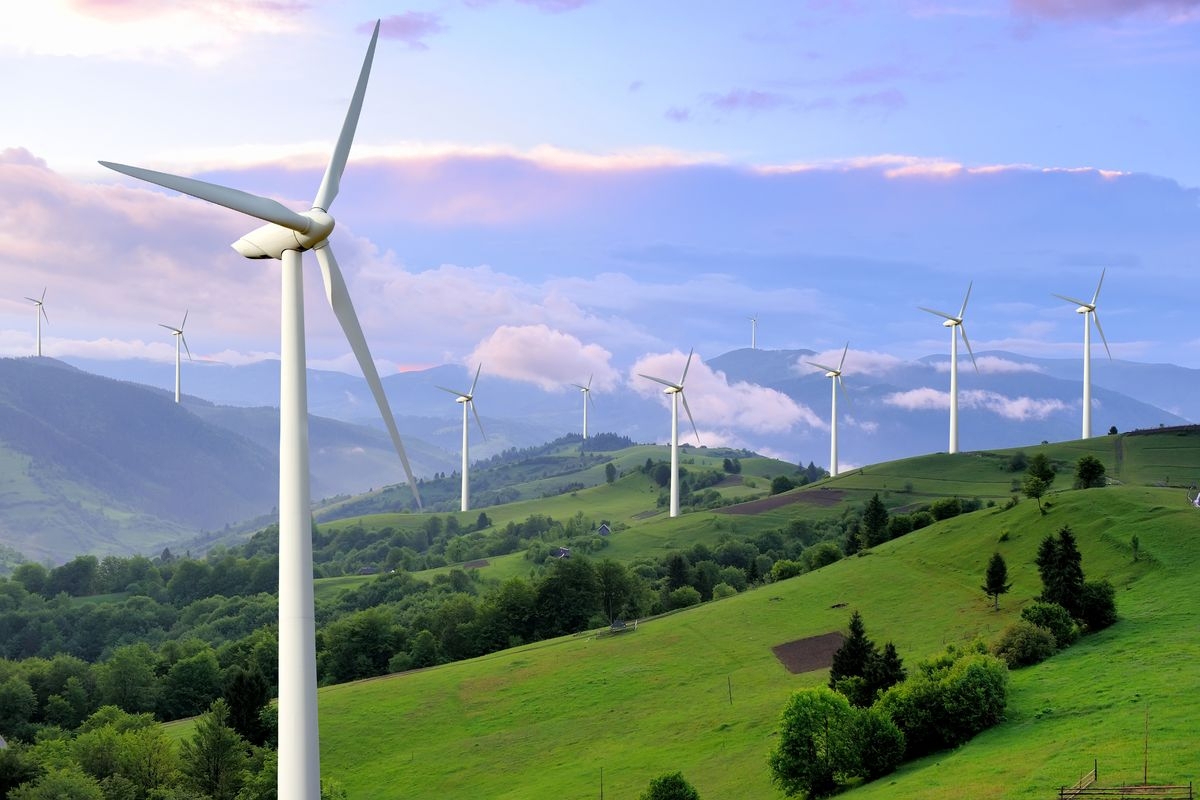
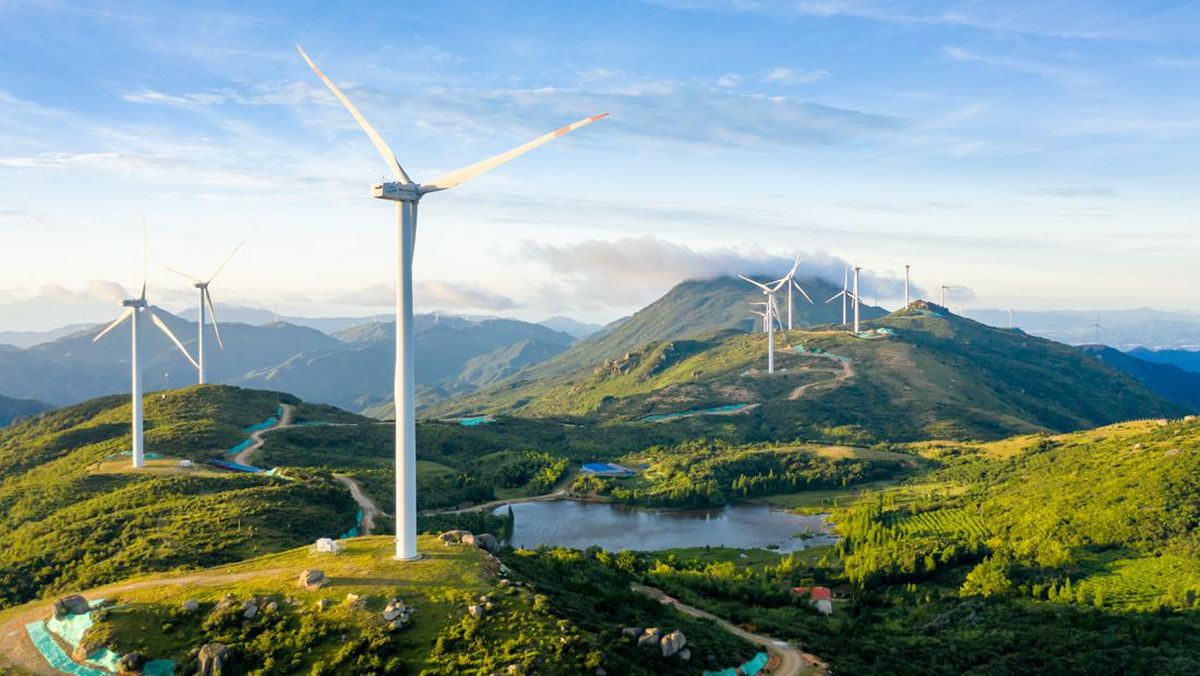
Wind energy uses wind turbines to convert kinetic energy from wind gusts into electricity. These turbines are usually installed in areas with consistent wind speeds, such as coastal areas or open plateaus.
Countries such as Denmark and Germany have made the most of wind potential and made Wind Energy one of their main sources of electricity.
In Indonesia, this potential is also beginning to be developed, especially in eastern regions such as South Sulawesi and Nusa Tenggara.

Water energy, or hydropower, utilizes the flow of water—whether from rivers, reservoirs, or waterfalls—to drive turbines and generate electricity. This technology has long been used in Indonesia through hydroelectric power plants (hydropower).
Hydropower is known as one of the stable and efficient renewable energy technologies. However, the construction of infrastructure such as dams sometimes causes environmental impacts, such as disruption of river ecosystems or relocation of nearby residents.
Geothermal energy comes from heat stored in the Earth's core. Generally, this energy is harnessed in regions with high volcanic activity—and Indonesia is among the countries with the largest geothermal potential in the world.
Its application can be seen in geothermal power plants (PLTP), which utilize Steam or hot water from inside the earth to drive turbines. PLTP is not only environmentally friendly, but also has a stable energy production capacity throughout the year, independent of the weather.
Bioenergy, or biomass energy, comes from renewable organic materials such as agricultural waste, wood, food waste, to animal waste.
This energy can be used in many forms—burned directly to produce heat, converted into electricity, or processed into liquid fuels such as bioethanol and biodiesel.
Countries like Sweden have proven the successful use of biomass in their energy systems. About 30% of the energy supply in the country comes from biomass, mainly from waste from the Forestry and agricultural industries. In Indonesia, the potential of bioenergy is also great, especially because the availability of raw materials from the agricultural and plantation sectors is very abundant.
Ocean Energy is a form of renewable energy that utilizes the dynamics of the ocean, such as waves, tides, ocean currents, and even the difference in temperature between the surface and depth of the sea (ocean thermal energy).
This technology is still in the development stage in many countries, but it promises great potential—especially for maritime countries like Indonesia.
With a very long coastline and vast ocean, Indonesia has a strategic opportunity to develop marine energy as part of the clean energy transition. Although the technological challenges are still great, the use of marine energy has the potential to be a long-term solution in diversifying national energy sources
Hydrogen energy is starting to be talked about as the future of clean energy. Hydrogen can be used as an environmentally friendly fuel because its combustion produces only water vapor, without carbon emissions.
Generally, hydrogen is produced through the process of water electrolysis, that is, the separation of water into hydrogen and oxygen using electricity from renewable sources such as solar or wind energy.
The main advantage of hydrogen energy lies in its ability to be stored and used whenever needed. This makes it a potential solution for storing renewable energy on a large scale—whether for household needs, public facilities, to industry.
Seeing the huge potential of renewable energy in Indonesia and the various benefits it offers—from reducing carbon emissions, creating jobs, to strengthening energy independence—it is time we make renewable energy part of the solution of the future.
The transition to clean energy is not an instant process, but every small step we take today will determine the direction of our future. Whether through harnessing solar energy in homes, supporting green energy policies, or simply spreading the right information about renewable energy, all contributions have their impact.
Let's create a fairer, more sustainable energy system for future generations.
References:
https://www.sciencedirect.com/journal/renewable-and-sustainable-energy-reviews
https://www.un.org/en/climatechange/what-is-renewable-energy
Featured image: Image of several windmills in the hills / source: Detik
Apex predators such as lions and Tigers are known to pose a major threat to wildlife in their natural habitat.
However, in contrast to most animals, there is one unique creature that is able to survive the attack of predators without having to run away—simply by standing still. Can you guess what animal it is?
Yup, the answer is the anteater, a scaly mammal that has incredible natural defenses. Known as' the scaly ball', the anteater has a layer of hard scales that envelops almost its entire body. The scales function like an effective shield to protect it from wild animal attacks.
How, then, do anteaters protect themselves? When feeling threatened, the anteater will immediately roll its body up to form a solid ball. With this position, the vulnerable part of his body was hidden inside the scroll, while the outer part, covered with hard scales, became a defensive shield.
Unfortunately, behind its uniqueness and ability to survive predators, pangolins actually face a great threat from humans. This mammal is listed as one of the most illegally traded animals in the world. The high demand for their scales and meat makes pangolins the target of massive poaching.
What, then, makes anteaters so hunted, and how are conservation efforts going today? Check out the full explanation in the next section.
The anteater is one of the animals belonging to the class of mammals. As mammals, anteaters reproduce sexually and give birth to young (viviparous). Female anteaters have mammary glands for feeding their young.
The name 'pangolin' comes from the Malay language meaning to rollover, referring to the animal's habit of rolling over when it feels threatened. In English, pangolins are known as pangolins.
This unique animal has hard and strong scales that line almost its entire body, except for the abdominal part. The main function of these scales is to protect against predator attacks. When it feels in danger, the anteater will roll its body up to form a ball, hiding vulnerable parts of the body inside the roll.
Pangolin habitats are very diverse, ranging from tropical rainforests, savannas, grasslands, to agricultural land in the lowlands. Its main food is ants and termites, which it catches using a long, sticky tongue—a characteristic feature of anteaters that helps it reach prey in the nest.

There are currently eight species of anteaters spread across two continents, namely Asia and Africa. Here's the list:
In Southeast Asia, including Indonesia, the species of pangolin found is the Sunda pangolin (Manis javanica). This animal is spread in several regions such as Sumatra, Kalimantan, and Java, as well as a number of small islands such as Bangka, Belitung, and Nias.
Citing a report from Traffic, the Sunda pangolin is currently categorized as a Critically Endangered species on the IUCN Red List of Threatened Species. The population of this anteater is experiencing a drastic decline, which is largely due to the rampant illegal trade.
In Indonesia, pangolins are protected animals Under Law No. 5 of 1990 on the Conservation of Natural Resources and ecosystems. Protection against Sunda pangolins is also emphasized in the regulation of the Minister of Environment and Forestry number 106 of 2018.
Anyone who catches, kills, injures or trades pangolins illegally may be subject to criminal sanctions. In accordance with Article 40 Paragraph (2) and Article 21 paragraph (2) letter (d) of Law No. 5 of 1990, such violations can be subject to a maximum prison sentence of five years and a fine of up to Rp100 million.
Pangolins are mammals that have a number of unique physical and behavioral characteristics, making them different from other animals. In fact, the anteater is the only mammal in the world that has scales.
These scales become one of the most characteristic body defense systems among mammalian animals.

Here are the common characteristics of pangolins that you need to know:
In addition to being known for their hard scales, anteaters also have very unique behaviors and characteristics. This mammal is classified as shy and prefers to live alone (solitary). In their natural habitat, anteaters exhibit a number of interesting behaviors that distinguish them from other animals.
Here are some unique facts about anteaters that live in the wild:
Pangolin scales are composed of keratin, which is the same protein that makes up human nails and hair. Although not a bone, these scales are so strong and hard that they are able to protect pangolins from wild predators such as lions, tigers and even humans.
Having no teeth, anteaters do not chew their food in the mouth. Instead, food such as ants and termites will be crushed in the stomach, assisted by small pebbles that are swallowed to grind food mechanically.
During the day, the anteater usually rests in tree crevices, trunk cavities, or earthen holes that it digs on its own. This hiding place protects it from the heat of the sun and the threat of predators.
Mengutip dari American Association for the Advancement of Science (AAAS), lidah trenggiling bisa lebih panjang dari tubuhnya sendiri. This flexible tongue is very helpful when reaching insects in ant nests or termites that are deep in the ground or wood.
Anteaters have very sticky saliva, which serves to trap ants and termites when their tongue sticks out into the insect's nest. In one meal, anteaters can consume thousands of insects at a time.
Anteaters rely on a very sensitive sense of smell to find food. With this ability, they can detect the presence of ant colonies or termites even from a distance. The sense of smell becomes the main navigational tool in its survival, especially since its EyeSight tends to be weak.
Anteaters are known to have less keen eyesight. Therefore, they rely heavily on their sense of smell to find food and recognize the surrounding environment

Anteaters have the ability to walk bipedally, that is, on two hind legs only. When walking upright, it uses its long tail as a counterweight to the body. This movement is usually done while exploring or avoiding obstacles.
The anteater is the only mammal in the world whose entire body is covered with large, hard scales. Interestingly, the weight of such scales can reach about 20 percent of the total body weight.
The number of scales on the body of an anteater varies depending on the type of species. Reporting from ScienceDirect, here is a comparison of the number of scales in several species:
Anteaters have 46 to 47 vertebrae, making them the mammals with the most number of vertebrae compared to other mammals. The flexibility of this bone also supports its ability to roll the body perfectly.
Based on the Wild Planet Report, pangolins can prey on up to 20,000 insects such as ants and termites in one night. With this ability, anteaters act as a key species in maintaining the balance of insect populations in their ecosystems.
Anteaters are currently in a very alarming condition. Although it has the ability to survive from natural predators, the biggest threat to the survival of pangolins comes precisely from humans. Poaching and illegal trade have been the main causes of the drastic decline in pangolin populations in recent decades.
According to the IUCN (International Union for Conservation of Nature) Red List, All pangolin species in the world have been categorized as endangered species, with some of them having a critical status (Critically Endangered), including the Sunda pangolin (Manis javanica) spread in Southeast Asia, including Indonesia.
The biggest threat comes from international illegal trade, both in scales and meat. Pangolin scales are believed to have medicinal properties in traditional medicine, although there is no scientific evidence to support these claims. In addition, pangolin meat is considered an exotic food in some countries, especially in the East Asian region.
To combat this threat, various protective measures have been put in place. In Indonesia, pangolins are legally protected animals. This protection is set in:
Any person who illegally catches, maintains, injures, kills or trades pangolins may be subject to criminal sanctions. Based on Article 40 paragraph (2) in conjunction with Article 21 paragraph (2) letter (d) of Law No. 5 of 1990, such violations may be subject to imprisonment for up to 5 years and a maximum fine of Rp100 million.
In addition to legal efforts, National and international conservation agencies such as TRAFFIC, WWF, and IUCN also continue to promote education, animal patrols, as well as the rehabilitation and release of confiscated pangolins.
The anteater is not only a unique animal with hard scales and a super long tongue, but also an important creature in maintaining the balance of the ecosystem. As natural predators of ants and termites, anteaters help control insect populations that can be pests to crops and damage soil structure.
By getting to know pangolins better—from their characteristics, unique facts, to their conservation status-it is hoped that our awareness of the importance of protecting these animals will increase. You can play a role by not buying pangolin-based products, spreading the right information, and supporting conservation programs and law enforcement against wildlife trafficking.
Let's keep pangolins in the wild, for generations to come and for a more balanced Earth!
Sources and references:
What is a Pangolin. Save Pangolins.
The Plight of the Pangolin. EcoHealth Alliance.
Facts About Pangolins. World Animal Protection.
Pangolins: Introducing the lonely and sweet-natured scaly anteater. Planet Wild.
Featured image: Ilustrasi trenggiling (unsplash.com/Studio Crevettes)
On February 9, 2025, educational activities in commemoration of Indonesian Primate day were successfully held in Dusun Beringin 4, Lampung. This event involved as many as 52 children from farming families, who came from pre-PAUD to Junior High School.
This activity is not just a symbolic celebration, but a real step in instilling environmental awareness and the importance of conservation from an early age. Through a series of activities such as the introduction of the types of Indonesian primates, coloring, storytelling, to educational games, children are invited to learn while playing, get to know primates more closely, and understand their important role in the ecosystem.
Want to know how children in Dusun Beringin 4 Learn to love nature while playing? Check it out in this article!
Educational activities in the framework of Indonesia Primate day in Dusun Beringin 4 not only aims to commemorate this important day, but also become part of a long-term strategy in wildlife conservation efforts.
According to the Indonesian Journal of Primatology, Indonesia is home to more than 59 species of primates from 11 genera, spread across a variety of habitats ranging from tropical rainforests to mountains.
Unfortunately, their existence is increasingly threatened by hunting, illegal trade, as well as massive destruction of forests.
Through this activity, YIARI designed an educational approach that targets children from farming families as the first step in building collective awareness from an early age. The main objectives include:
Here is a series of these activities:

This session became the core of conservation education activities. The children were introduced to various types of primates that live in Indonesia, such as orangutans, langurs, and tarsiers. They were also invited to understand the ecological role of primates, for example as seed dispersers of plants that help regenerate forests.
The material is delivered through visual media such as images and educational videos to make it more interesting and easy to digest. In addition, children are also introduced to various real threats faced by primates, such as deforestation, poaching, and illegal animal trade.
Through this session, participants gain knowledge as well as expected to foster empathy and concern for wildlife.

Coloring becomes one of the favorite activities that are fun and educational. The children were given illustrated sketches of Indonesian primates to be colored according to their imagination.
This activity honed motor skills and creativity, as well as a means of getting to know animals more closely through visual and artistic approaches.
With the appropriate theme, coloring becomes an effective learning media to strengthen children's understanding of the types and characteristics of Indonesian primates.

Fairy tales are one of the most effective methods of conveying messages to children. In this session, they were invited to listen to stories that raised the theme of the importance of maintaining forests and protecting wildlife.
The story is delivered with an interesting plot and animal figures that are easily recognizable and liked by children.
Through fairy tales, children are entertained while learning that human actions can have a direct impact on the survival of animals in the wild. The moral message conveyed was able to form ecological awareness and instill conservation values from an early age.

For children, learning will be more fun if done through play. In this session, the YIARI team invited the children to participate in various educational games after completing a series of other activities.
The presented game is designed to train teamwork, accuracy, as well as critical thinking skills. With this playful learning method, children become easier to understand conservation issues and more aware of the importance of taking care of primates and their environment.

In addition to listening to fairy tales, children are also invited to read books on the theme of Wildlife Conservation. These books contain inspiring stories as well as interesting information about primates and the forest ecosystems in which they live.
This reading activity aims to instill conservation values through literacy, as well as increasing children's interest in reading. Through stories that are packaged in a light and educational way, it is hoped that children can understand the importance of maintaining biodiversity and respecting the surrounding wildlife.

As part of the program's evaluation and ongoing improvement efforts, the YIARI team also conducted a survey of the children and their families. This survey aims to explore their understanding, attitude, and level of awareness towards primate conservation.
The results of the survey will be the basis for designing further educational programs to be more relevant and effective. By involving direct participation from participants, this approach helps ensure conservation activities are truly impactful and accepted by the community, especially the younger generation.
With primate conservation education, there are several expectations and educational impacts that can be achieved in the short and long term, including:
Primates play an important role in maintaining the sustainability of forest ecosystems. They serve as seed dispersers, insect population controllers, to natural indicators of Environmental Health. Unfortunately, the threat to primate populations continues to increase due to poaching, illegal trade, as well as habitat destruction.
Primate conservation efforts cannot rely solely on scientists or environmental activists. The involvement of the wider community, including children as the next generation, is key in maintaining the sustainability of this species in the future.
Through educational activities in the framework of Indonesia Primate day, yiari instills conservation values to children with a fun and interactive approach. The children were introduced to the diversity of Indonesian primates and invited to understand how human behavior can directly impact their survival.
Activities such as storytelling, coloring, reading books, and playing educational games are effective media in conveying conservation messages. With this method, children are expected to experience a learning process that imprints emotionally.
In the short term, this activity succeeded in increasing the knowledge and awareness of children about the importance of preserving primates and the environment. Children begin to understand that simple actions, such as not buying or raising wildlife, can have a huge impact on the preservation of ecosystems.
In the future, this education is expected to produce a generation that is more environmentally conscious and plays an active role in wildlife conservation efforts. Children who grow up with conservation values have the potential to become agents of change that encourage the creation of more environmentally friendly and responsible societies.
Educational activities such as Lampung Primate day prove that the learning process that is packaged in a fun way is able to foster a deep sense of empathy for nature. In addition to understanding the importance of protecting primates, children are also encouraged to be directly involved in preserving the surrounding environment.
We would like to thank all participants, volunteers, and those who have supported this activity. The spirit shown by the Children of Dusun Beringin 4 is proof that education and conservation can go hand in hand to create a better future.
Programs like this are expected to continue to grow and reach more regions, so that more Indonesian children grow up with an awareness of the importance of conservation. Let's take care of our forest friends—primates—together for a sustainable, harmonious and sustainable future for the Earth!