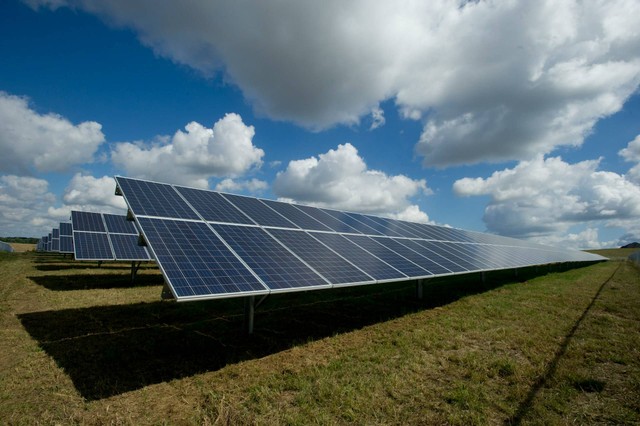
Have you ever imagined that the sunlight that illuminates the Earth every day can be a source of unlimited energy for our lives? Interesting, isn't it?
This is the reason why solar energy—or solar energy-has become increasingly popular in recent years. As one of the renewable energy sources, solar energy offers a sustainable solution to reduce dependence on limited fossil fuels and pollute the environment.
Fortunately, Indonesia has a huge solar energy potential. Based on data from the Ministry of energy and Mineral Resources (ESDM), the potential of solar energy in Indonesia is estimated at 207 gigawatts (GW). However, until the beginning of 2023, the installed capacity of new solar power plants (PLTS) will reach around 322 megawatts (MW), or less than 1% of their total potential.
However, what exactly is solar energy? How does it work, and what are its benefits in everyday life? Let's explore more about solar energy, and how Indonesia is starting to move towards a greener and more sustainable future.
Solar energy is energy produced from solar radiation.
In other words, it is natural energy that can be converted into electricity or heat using a variety of technologies, especially photovoltaic (PV) solar panels and solar heating systems.
According to the International Renewable Energy Agency (IRENA), solar energy is one of the most abundant sources of renewable energy on Earth—far exceeding even today's total global energy needs. This fact shows how much potential can be harnessed from sunlight.
The main technologies in the use of solar energy are divided into two types:
Both technologies play an important role in the transition to clean energy. Both for household and industrial needs, solar energy is one of the most potential solutions to create a more environmentally friendly and sustainable energy system.
As a tropical country that is illuminated by the sun almost all year round, Indonesia has a huge potential for solar energy.
Based on the latest data from the Ministry of energy and Mineral Resources (ESDM) in 2024, the potential for solar energy in Indonesia has reached around 210 gigawatt-peak (GWp), an increase from 207.8 GWp in 2021. Unfortunately, the utilization rate of solar energy in the country is still very low-only about 0.1% of the total available potential.
Although its use is still limited, solar energy continues to show its potential as a clean, sustainable and efficient future energy solution.
So, what are the advantages of solar energy that make it more ogled?
Solar energy is one of the most environmentally friendly energy options. Unlike fossil fuels that generate greenhouse gas emissions and air pollution, the use of solar energy does not generate harmful substances.
By switching to solar energy, you contribute to reducing your carbon footprint, slowing the pace of climate change, and maintaining cleaner air for everyday life. This is a real step towards a greener future.
The sun is an inexhaustible source of energy—at least in the next few billion years. In contrast to fossil energy sources such as coal or petroleum, which are limited and can run out, energy from sunlight continues to be available every day.
Indonesia's geographical prominence in the tropics makes it ideal for harnessing this energy. With abundant sunlight most of the year, solar energy becomes a reliable long-term solution for future electricity needs.
Although the initial cost of installing a solar panel system can seem large, the running and maintenance costs are relatively low. After the system is installed, you only need to perform routine maintenance, such as cleaning the panel surface from dust or dirt.
The absence of fuel costs that have to be purchased regularly also makes solar energy a cost-effective solution in the long term. In a certain time, this initial investment can return through savings on electricity bills.
One of the most significant advantages of solar energy is its ability to be applied in almost all regions, including remote areas that have not been reached by the PLN electricity network.
Solar energy opens up great opportunities for people in rural areas or small islands to gain access to electricity without having to build expensive infrastructure. Thus, solar energy plays an important role in supporting equitable access to energy throughout Indonesia.
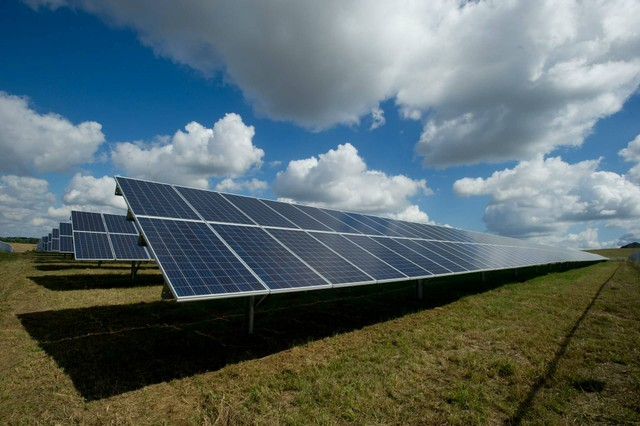
As technology develops, the use of solar energy is increasingly widespread and felt in various aspects of life. Here are some of the main benefits of solar energy that you should know:
By using solar energy, you can help reduce dependence on fossil energy sources such as coal, oil, and natural gas. In addition to the limited number, fossil fuel prices tend to be unstable and often influenced by global geopolitical conditions.
Solar energy is becoming a more environmentally friendly solution while offering energy independence. By utilizing abundant sunlight, we can access clean and stable energy in the long run.
The solar energy sector opens up great opportunities in job creation in various fields, from solar panel production, assembly, installation, to system maintenance.
According to the International Renewable Energy Agency (IRENA) report, in 2020 the renewable energy sector globally employed around 12 million people—with photovoltaic (PV) technology being the largest contributor absorbing nearly 4 million workers.
In Indonesia alone, increased investment in solar energy has the potential to drive economic growth through local job creation, especially in the manufacturing and engineering services sectors.
There are still many areas in Indonesia, especially 3T areas (lagging, leading, and outermost), which have not been reached by conventional electricity networks. Solar energy can be an effective solution to provide independent access to electricity in these regions.
With solar panel systems, people in rural areas, remote villages, or small islands can get electricity without waiting for the construction of complex and costly infrastructure. This not only supports equitable distribution of energy, but also improves the quality of life of people in previously non-electrified areas.
One of the advantages of solar energy is its cost stability. Because it does not depend on fuel commodities whose prices fluctuate, solar energy offers stability in electricity prices in the long term.
That way, you don't have to worry about rising electricity tariffs due to fluctuations in the global energy market. This makes solar energy even more attractive, both for households and industrial sectors that require predictability of energy costs.
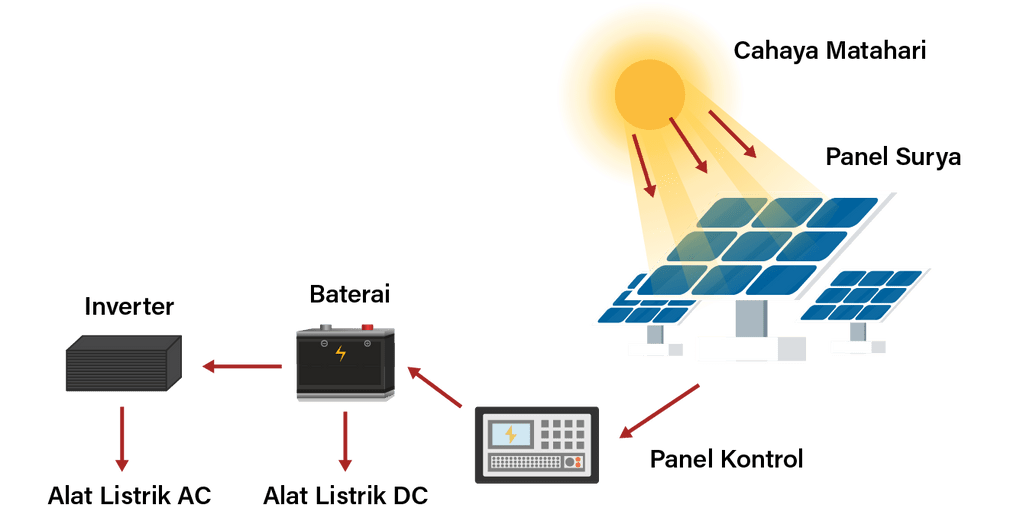
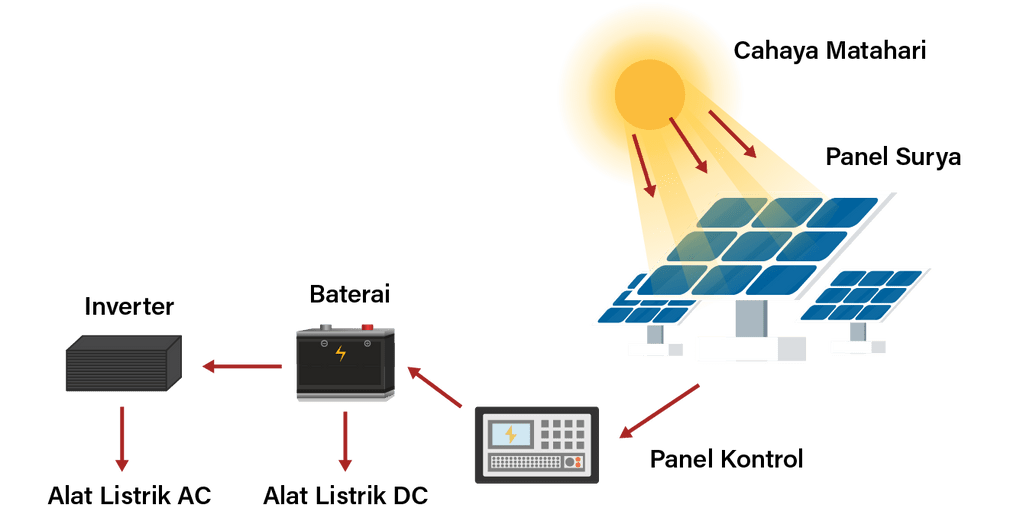
Solar energy works through a sophisticated technological process, capable of converting sunlight into electrical energy. The technology uses a device called a solar panel, which consists of a collection of solar cells or photovoltaic cells designed to capture and convert solar light efficiently.
Each solar cell works on the principle of the photovoltaic effect, which is the process by which light (photons) from the sun stimulate the movement of electrons in a semiconductor material, generating a direct electric current (DC).
In general, solar cells are composed of several main layers:
When sunlight hits the surface of a solar cell, light particles (photons) will hit the atoms in the silicon layer. This collision causes the free electrons to move, creating a flow of electricity. This electrical current is then collected and passed through an inverter circuit to be converted into alternating current (AC) that can be used in homes, offices, or industrial facilities.

Solar energy systems are now increasingly widely known and have been applied in various forms, both at the global and national levels.
In Indonesia itself, the use of solar energy as an alternative source of electricity began to grow rapidly and can be found in everyday life. Here are some examples of popular solar energy applications:
PLTS is one of the most common and large-scale forms of solar energy application. This system uses solar panels to generate electricity which is then channeled to the public grid.
In Indonesia, one of the largest PLTS is located in Kupang, East Nusa Tenggara, with a capacity of up to 5 megawatts (MW). This solar power plant is a clear proof that solar energy can be the backbone of electricity supply in areas with high solar potential.
Rooftop solar panels are increasingly popular among households and commercial buildings. Installation of solar panels on the roof allows the owner of a house or building to generate electricity on their own and reduce monthly bills.
The net metering scheme implemented by PLN also encourages the adoption of this technology, as unused energy can be channeled back to the grid and converted into electricity credits.
This technology utilizes sunlight to heat water used for household and industrial needs.
Solar water heaters are usually installed on roofs and are particularly efficient in sunny climates. This solution not only saves energy, but also reduces the use of electricity from conventional sources.
Solar lights, especially for street lighting, are now increasingly commonly used in various parts of Indonesia, especially in areas that have not been fully covered by the electricity network.
These lights use small panels to absorb solar energy during the day, then store it in batteries for use at night. This technology is very effective for improving security and mobility in remote areas.
Solar energy is no longer just a discourse of the future—it has become a real solution that is constantly evolving and shows great potential for answering global energy challenges. With abundant solar resources throughout the year, Indonesia has tremendous opportunities to lead the transition to clean and sustainable energy.
Although it still faces challenges, such as high initial costs and dependence on weather conditions, technological developments and government policy support pave the way for increased adoption of solar energy in the future.
Now is the time for all of us to start taking a role—whether as individuals, communities, or part of the industry—in supporting the use of solar energy. By doing so, you not only help preserve the environment, but also help create a more independent, clean, and equitable energy future for future generations.
References:
https://seia.org/initiatives/about-solar-energy/
https://www.irena.org/Publications/2024/Jul/Renewable-energy-statistics-2024
https://www.reuters.com/world/asia-pacific/indonesia-plans-boost-renewable-usage-new-electricity-supply-plan-2025-02-11/
Featured image: Panel Surya / Sumber: Freepik
Have you ever felt that the discussion about renewable energy is just a theory on paper-complicated, technical, and far from everyday life?
In fact, renewable energy is actually getting closer to us, even becoming an important part in efforts to save the Earth from an increasingly real climate crisis.
Imagine, in 2022 alone, Indonesia will be able to produce about 65 Terawatt hours (TWh) of electricity from renewable energy sources—enough to light more than 114 thousand 1,000-watt homes for a full year. This is not a small number, and it clearly shows that changes are taking place.
At the global level, the shift to clean energy is also progressing rapidly. Since 2000, the proportion of electricity from renewable energy in the world jumped from 19% to more than 30% by 2023.
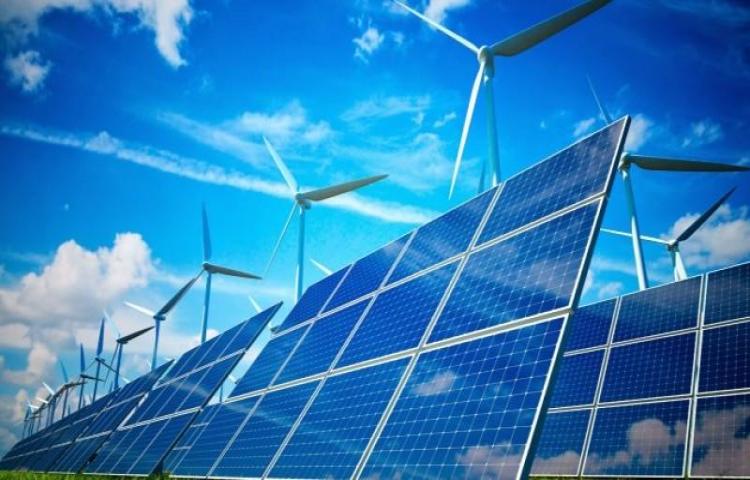
This remarkable growth was largely driven by the utilization of solar and wind power which jumped from just 0.2% to 13.4%.
Indonesia is starting to move in line with this global trend. However, in order to achieve a complete clean energy transition, there are still many challenges to be faced.
Let's go deeper: how the wave of renewable energy in the world affects Indonesia's steps, and what roles we can take towards a greener and more sustainable future.
New and Renewable Energy (EBT) is a term that appears more and more frequently in discussions around sustainability and the energy transition. According to the Ministry of energy and Mineral Resources (ESDM), EBT is a source of energy derived from natural processes that take place in a sustainable manner, such as solar energy, wind, water, geothermal, and biomass.
These energy sources are called' Renewable ' because they can be renewed naturally in a relatively short time, unlike fossil energies that take millions of years to form. In the journal Renewable and Sustainable Energy Reviews, renewable energy is defined as energy that comes from nature and will not run out, as long as it is managed wisely. For example, the sun will continue to shine and produce energy as long as it is still there, as well as the wind is always present as long as there is movement of air in the atmosphere.
In addition, according to Dr. Herman Darnel Ibrahim, one of the renewable energy experts in Indonesia, EBT is not only environmentally friendly, but also has great potential in strengthening national energy independence.
Basically, new and renewable energy is clean energy that can be renewed naturally and is the main key in realizing a sustainable energy system in the future.
Having understood what new and Renewable Energy (EBT) is, it is time for us to dive deeper: why is EBT the main highlight in the global effort towards sustainability?
The answer lies in the wide range of real benefits offered by renewable energy. Come on, check out the following points!
One of the main advantages of renewable energy is its very minimal impact on the environment. Energies such as solar and wind generate almost no greenhouse gas emissions during the electricity generation process.
In contrast, coal-fired power plants are still the largest contributor to carbon dioxide (CO₂) emissions, which is about 40% of total global emissions.
This fact makes renewable energy an important solution to slow the pace of climate change and maintain the quality of the air we breathe every day.
Did you know that most of the conventional energy sources we rely on today—such as coal and petroleum—are finite and will eventually run out?
This is where renewable energy comes in as the answer. Resources such as sun, wind, and water will continue to be available as long as nature exists.
Citing a National Geographic report in 2024, solar energy that illuminates the Earth in just one hour is enough to meet the energy needs of the entire world for a whole year. Incredible, isn't it?
The use of renewable energy also plays a major role in encouraging sustainable technological innovation.
Growing demand every year Spurs the development of a wide range of technical solutions, from increasingly efficient solar panels to more durable and cost-effective energy storage systems (such as batteries).
This not only supports the global energy transition, but also opens up new economic opportunities in the green technology sector.
The renewable energy sector not only offers environmental solutions, but also opens up vast economic opportunities.
With the growth of this industry, a wide variety of jobs are created—from technology research and development, to the production of components such as turbines and solar panels, to the installation and maintenance of energy systems.
According to the International Renewable Energy Agency (IRENA) report in 2023, more than 12 million people worldwide have worked in the renewable energy sector. This figure continues to increase with the increase in clean energy projects in various countries.
The transition to renewable energy also creates local employment opportunities, especially in remote areas that have been difficult to reach by conventional energy infrastructure. This can encourage regional economic growth and narrow the development gap between regions.
One of the strategic advantages of renewable energy is its ability to reduce the country's dependence on fossil fuel imports.
By utilizing local resources such as solar, wind, water, or geothermal, countries can increase energy independence while reducing the risk of instability due to fluctuations in world oil prices.
In addition, renewable energies offer better price stability in the long term. Because the sources come from nature and are freely available—such as sunlight or wind—the operating costs of renewable energy plants tend to be lower and unaffected by the volatility of global energy markets.
This makes renewable energy a strategic choice, both in terms of the economy and National Energy Security.
When we talk about renewable energy, we're actually talking about the incredible power of nature—the power that can be harnessed to meet human energy needs without burdening the environment.
These energy sources come from ongoing natural processes and can be renewed sustainably. Some of these include sunlight, wind, water (hydro), geothermal, and biomass. In contrast to fossil energy, which is limited and takes millions of years to form, renewable energy sources are available in large quantities and can continue to be utilized in the long term.
So, what about the potential for renewable energy in Indonesia? As it turned out, our country holds enormous potential in this regard. Indonesia's geographical location on the equator makes it rich in exposure to sunlight throughout the year-an important advantage for the development of solar energy.
Not only that, Indonesia as an archipelago surrounded by the sea and has many mountains, also holds great potential in the wind, water and geothermal energy sectors.
In fact, Indonesia is said to be one of the countries with the largest geothermal reserves in the world—about 40% of the total global geothermal reserves are located here. This makes geothermal one of the most strategic local energy sources.
Understanding the concept of renewable energy is not enough—we also need to see real examples and implementation of this energy source in various countries, including Indonesia.
Here are some of the most commonly used types of renewable energy, complete with examples of their application:

Solar energy, or solar energy, is one of the most popular and fast-growing forms of renewable energy in the world. This technology utilizes sunlight to generate electricity or heat, generally through solar panels (solar panels) or photovoltaic cells.
Solar panels work by converting sunlight into electrical energy directly.
Interestingly, the cost of installing solar panel systems is now increasingly affordable. According to the International Renewable Energy Agency (IRENA), the cost of electricity from solar energy has fallen by about 85% in the past decade—opening up greater opportunities for people to switch to this clean energy source.

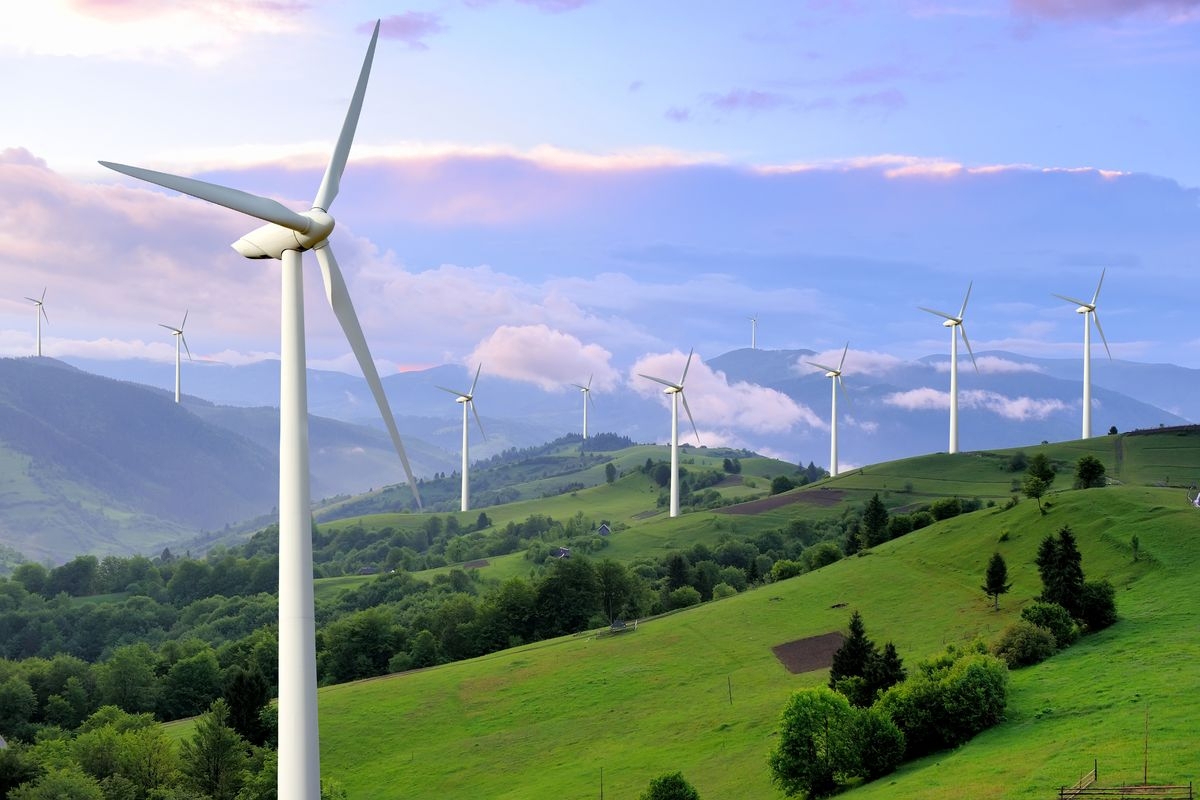
Wind energy uses wind turbines to convert kinetic energy from wind gusts into electricity. These turbines are usually installed in areas with consistent wind speeds, such as coastal areas or open plateaus.
Countries such as Denmark and Germany have made the most of wind potential and made Wind Energy one of their main sources of electricity.
In Indonesia, this potential is also beginning to be developed, especially in eastern regions such as South Sulawesi and Nusa Tenggara.

Water energy, or hydropower, utilizes the flow of water—whether from rivers, reservoirs, or waterfalls—to drive turbines and generate electricity. This technology has long been used in Indonesia through hydroelectric power plants (hydropower).
Hydropower is known as one of the stable and efficient renewable energy technologies. However, the construction of infrastructure such as dams sometimes causes environmental impacts, such as disruption of river ecosystems or relocation of nearby residents.
Geothermal energy comes from heat stored in the Earth's core. Generally, this energy is harnessed in regions with high volcanic activity—and Indonesia is among the countries with the largest geothermal potential in the world.
Its application can be seen in geothermal power plants (PLTP), which utilize Steam or hot water from inside the earth to drive turbines. PLTP is not only environmentally friendly, but also has a stable energy production capacity throughout the year, independent of the weather.
Bioenergy, or biomass energy, comes from renewable organic materials such as agricultural waste, wood, food waste, to animal waste.
This energy can be used in many forms—burned directly to produce heat, converted into electricity, or processed into liquid fuels such as bioethanol and biodiesel.
Countries like Sweden have proven the successful use of biomass in their energy systems. About 30% of the energy supply in the country comes from biomass, mainly from waste from the Forestry and agricultural industries. In Indonesia, the potential of bioenergy is also great, especially because the availability of raw materials from the agricultural and plantation sectors is very abundant.
Ocean Energy is a form of renewable energy that utilizes the dynamics of the ocean, such as waves, tides, ocean currents, and even the difference in temperature between the surface and depth of the sea (ocean thermal energy).
This technology is still in the development stage in many countries, but it promises great potential—especially for maritime countries like Indonesia.
With a very long coastline and vast ocean, Indonesia has a strategic opportunity to develop marine energy as part of the clean energy transition. Although the technological challenges are still great, the use of marine energy has the potential to be a long-term solution in diversifying national energy sources
Hydrogen energy is starting to be talked about as the future of clean energy. Hydrogen can be used as an environmentally friendly fuel because its combustion produces only water vapor, without carbon emissions.
Generally, hydrogen is produced through the process of water electrolysis, that is, the separation of water into hydrogen and oxygen using electricity from renewable sources such as solar or wind energy.
The main advantage of hydrogen energy lies in its ability to be stored and used whenever needed. This makes it a potential solution for storing renewable energy on a large scale—whether for household needs, public facilities, to industry.
Seeing the huge potential of renewable energy in Indonesia and the various benefits it offers—from reducing carbon emissions, creating jobs, to strengthening energy independence—it is time we make renewable energy part of the solution of the future.
The transition to clean energy is not an instant process, but every small step we take today will determine the direction of our future. Whether through harnessing solar energy in homes, supporting green energy policies, or simply spreading the right information about renewable energy, all contributions have their impact.
Let's create a fairer, more sustainable energy system for future generations.
References:
https://www.sciencedirect.com/journal/renewable-and-sustainable-energy-reviews
https://www.un.org/en/climatechange/what-is-renewable-energy
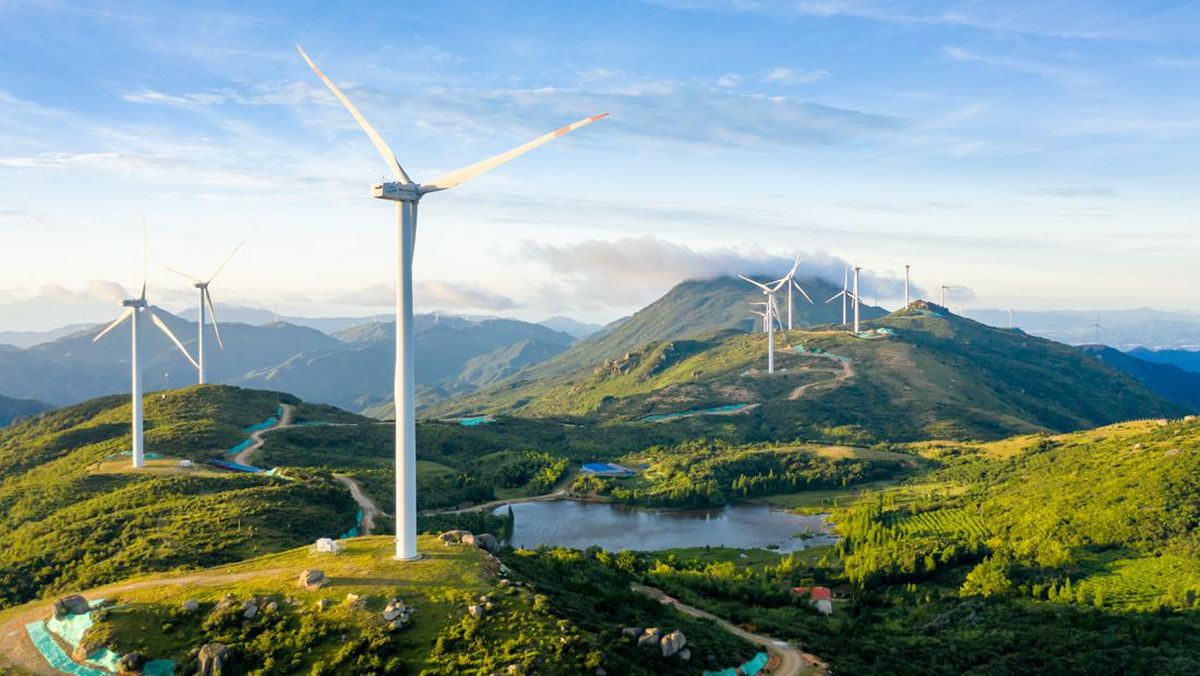
Featured image: Image of several windmills in the hills / source: Detik
Did you know that biotechnology plays an important role in many aspects of life, from agriculture to the marine sector?
In addition to contributing to improving the quality of life, this technology also supports environmental conservation efforts in a sustainable manner.
So, what is Biotechnology? In this article, we will discuss in depth the meaning of Biotechnology, its basic concepts, as well as various examples of its application in everyday life. Come on, listen!
Biotechnology is a branch of science that combines the principles of biology and technology to create or modify products and processes that are useful to humans and the environment.
Etymologically, the term bio refers to living organisms, while technology refers to the application of Science in designing certain tools, methods or systems.
Thus, Biotechnology can be defined as the utilization of biological systems to produce innovative products and technologies.

According to the Encyclopedia of Agriculture and Food Systems (2014), biotechnology is defined more specifically as the use of living organisms or biological systems in industrial activities, including the treatment of waste and the production of various essential materials.
Along with the development of Science and technology, the application of Biotechnology now covers various sectors, ranging from food, health, energy, to the environment.
One of the main concepts in biotechnology is the use of microorganisms in the production process. For example, the bacterium Acetobacter xylinum is used in the preparation of nata de coco, while the fungus Rhizopus oryzae is used in the fermentation of tempeh.
Genetic engineering is also becoming an important part of Biotechnology, where DNA manipulation is used to improve the quality of organisms. Examples include the development of pest-resistant transgenic plants or the production of insulin using Escherichia coli bacteria.
Fermentation is another biotechnological process that plays a major role in the food and energy industries. This process is used in the manufacture of products such as yogurt, cheese, to bioethanol—a renewable energy source that is environmentally friendly.
In the environmental sector, biotechnology contributes through bioremediation techniques to decompose hazardous waste and reduce pollution. In addition, innovations such as bioplastics from biological materials offer a more environmentally friendly alternative to conventional plastics.
Biotechnology is actually nothing new in human life. Since thousands of years ago, various ancient civilizations have implemented early forms of Biotechnology, albeit without the scientific understanding we have today.
Historical records show that the Babylonians, Egyptians, and Romans had been breeding livestock through the process of artificial selection since about 8000 BC. The goal is to obtain offspring with superior traits, such as high productivity or resistance to disease.
Meanwhile, in other parts of the world, the Chinese have used the fermentation process of milk since about 4000 BC to produce processed foods such as yogurt and cheese. These practices became early examples of conventional Biotechnology, the use of microorganisms and natural processes to produce more durable and nutritious foods.
Significant developments in biotechnology began to be seen in the 19th century. One of the important figures in this history is Gregor Mendel, an Austrian Monk and scientist who has been dubbed “the father of genetics.'Through experiments crossing pea plants, Mendel formulated the laws of inheritance of traits that became the basis for modern genetic science—an important foundation in the development of today's biotechnology.
Entering the era of modern biotechnology in the 1960s, two scientists named Stewart Linn and Werner Arber succeeded in isolating an enzyme that can inhibit the growth of bacteriophages, viruses that attack Escherichia coli bacteria. This discovery became the starting point of more precise genetic manipulation techniques.
In 1968, three researchers from Johns Hopkins University—H.O. Smith, K.W. Wilcox, dan T.J. Kelley-discovered and characterized the first restriction nuclease enzyme. These enzymes are capable of cutting DNA at specific locations, paving the way for genetic engineering that allows the insertion, cutting, or replacement of genes in an organism'S DNA.
From here, various applications of modern biotechnology that you know today have developed, such as the production of synthetic insulin using bacteria, the development of monoclonal antibodies for disease therapy, and the engineering of transgenic plants that are resistant to pests and extreme climatic conditions.

Biotechnology is generally divided into two main categories, namely conventional biotechnology and modern biotechnology.
Both have different approaches, both in terms of methods, technologies used, to scale and production results.
Conventional biotechnology is an early form of biotechnology that has been used since ancient times. This type uses simple methods without the aid of sophisticated technology, and is often done traditionally on a small scale.
The advantage of conventional biotechnology lies in its simplicity as well as the utilization of natural microorganisms, such as bacteria and fungi, in the production process. One of the most common processes in this type is fermentation, that is, the decomposition of substances by microorganisms to produce new useful products.
Some examples of conventional biotechnology products that you may often encounter in everyday life include tempeh, oncom, tape, tuak, and soy sauce.
Although it has been proven safe and useful for centuries, conventional Biotechnology has its limitations. This technology is less able to cope with modern challenges such as specific pest attacks, complex plant diseases, or the need for mass production in a short time.
In contrast, modern biotechnology uses advanced scientific and technological principles in its processes.
This type allows directional genetic manipulation to create new organisms or improve certain traits that are not naturally available.
Modern biotechnology is generally applied on an industrial scale, focusing on production efficiency, quality improvement, and solving specific biological problems. Not only microorganisms, this biotechnology also utilizes small components such as cells, tissues, and DNA molecules in the engineering process.
Examples of modern applications of Biotechnology include:
The main advantage of modern biotechnology is its ability to provide quick and efficient solutions to a wide range of global problems, from food crises to environmental pollution.

Biotechnology has developed rapidly and is widely utilized in various important sectors, from food to marine. Here are some examples of its application:
In the food sector, biotechnology is used to improve the quality, taste, nutritional content, and durability of food products. One of the most common methods is fermentation, which utilizes microorganisms such as bacteria and fungi.
Examples of its application include:
Biotechnology has changed the face of modern agriculture by creating efficient and sustainable solutions. Some of its main applications include:
In forestry, biotechnology supports the preservation of forests and increased production of Forestry crops.
Examples of its application:
Biotechnology plays a central role in the development of modern medical solutions. Examples:
In the industrial world, biotechnology is used to create high economic value products efficiently and environmentally friendly. Its application includes:
The Sea holds great potential for the development of biotechnology based on Marine Biological Resources. Examples of its application:
As rapid advances in science and Technology, Biotechnology is increasingly asserting its role as a strategic solution to global challenges. From the food sector to the marine sector, the application of Biotechnology has made a real contribution in increasing production efficiency, improving quality of life, and supporting sustainable practices.
By combining scientific principles and modern technological approaches, biotechnology is able to produce innovations that are more environmentally friendly, adaptive to change, and relevant to today's needs. This technology not only addresses the issues of food security and improved health services, but also offers concrete strategies for the conservation of Natural Resources and the preservation of ecosystems.
For this reason, it is important for us as part of modern society to understand, support and apply biotechnology wisely and responsibly. With the right utilization, Biotechnology can be a bridge to a healthier, sustainable and inclusive future—not just for today's generation, but for generations to come.
References:
Featured image: Biotechnology comes from the English words “bio” and “tech”, as shown in the picture. Source: Freepik
Did you know that kitchen waste such as fruit peels, tea grounds, and vegetable pieces do not have to be thrown away immediately? Organic waste can actually be used as a useful product in everyday life.
One of the increasingly popular ways of processing it is by creating an ecoenzyme.
Imagine if kitchen waste that usually ends up in the trash can actually be turned into a multifunctional liquid that is beneficial for Home Hygiene, plant health, and even the environment. Interesting, isn't it?
Then, how to make it and what are the benefits you can get? Come on, find out more!
Ekoenzyme, or eco enzyme, is a liquid resulting from fermentation of organic materials such as fruit and vegetable peels with added sugar and water.
This process creates complex solutions containing various active enzymes and natural chemical compounds.
The concept of ecoenzyme was first introduced by Dr. Rosukon Poompanvong from Thailand as an environmentally friendly method of managing household waste and reducing the impact of global warming. This idea was later developed and popularized by Dr. Joean Oon, a naturopath from Malaysia, who further examines the benefits of eco-enzymes in everyday life.
The fermentation process of the eco-enzyme takes place anaerobically (without air) for about three months. During this time, microorganisms decompose organic matter and produce enzymes and compounds such as acetic acid, propionic acid and natural probiotics.
Each batch of ecoenzymes can have a different enzyme composition, depending on the type of material used and the fermentation conditions. But in general, ecoenzymes contain the following main types of enzymes:
The main raw materials for making ecoenzymes usually consist of orange peel, pineapple, mango, tomato, and green leaves. This combination of ingredients contributes to the complexity and stability of enzymes during the fermentation process.
During fermentation, the eco-enzyme solution will undergo a change in color and aroma. Successful ecoenzymes generally have the following characteristics:
Ecoenzyme is a versatile liquid from the fermentation of organic waste that can be used in various fields, ranging from household needs, Agriculture, Animal Husbandry, to waste treatment.
In addition to being more environmentally friendly, its use is also much more efficient than synthetic chemical products that have the potential to pollute nature.
Most conventional cleaning products contain chemicals such as phosphates, nitrates, ammonia, and chlorine. If discharged into waterways, these substances can pollute the environment and negatively affect long-term health.
As a natural alternative, ecoenzymes can be used in various household activities, including:
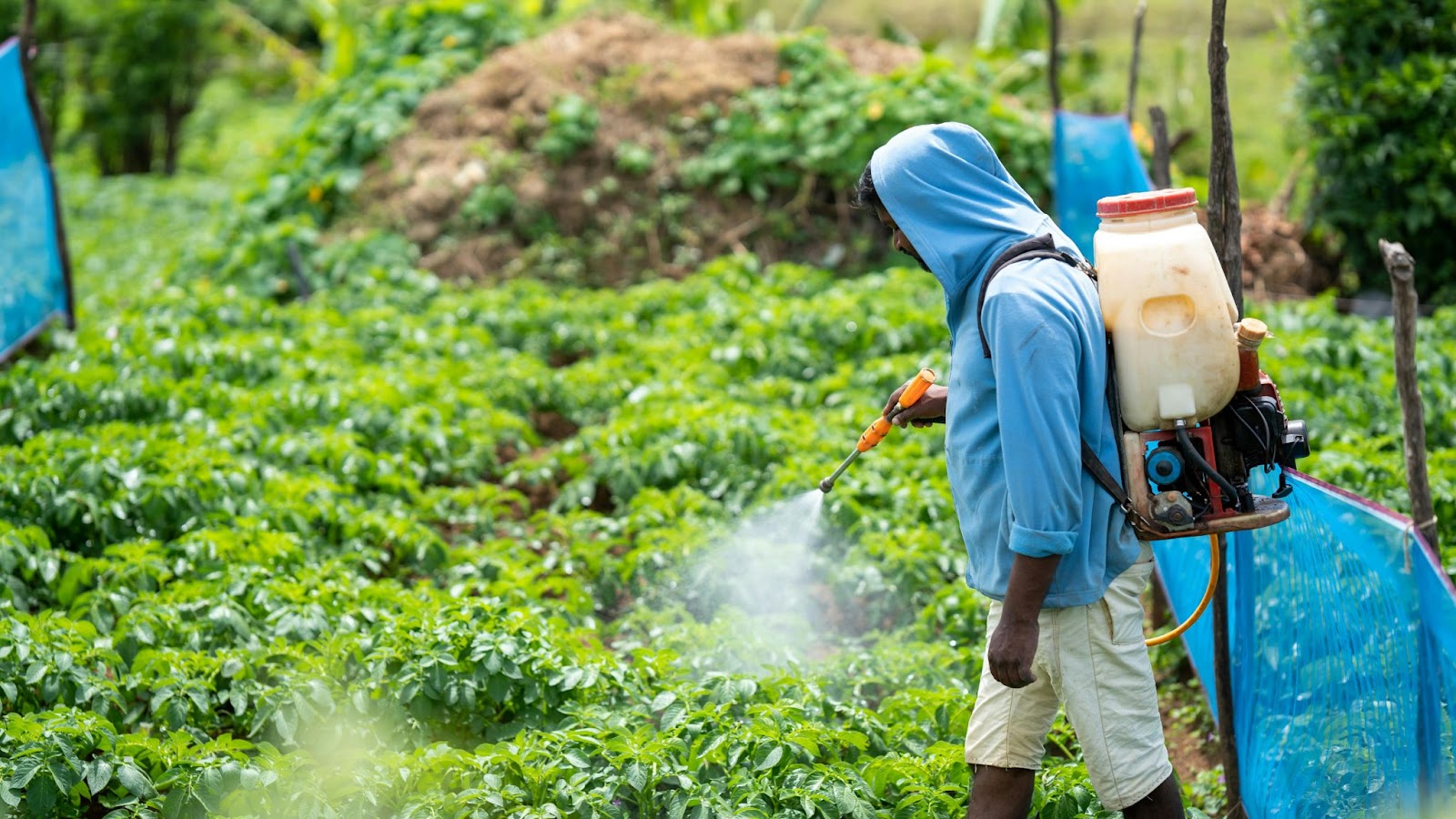
Excessive use of pesticides and chemical fertilizers in agriculture leads to soil degradation and environmental pollution. Ecoenzymes are present as a natural solution that supports sustainable agriculture. Benefits include:
In the world of livestock, ecoenzymes can create a cleaner and healthier environment, while improving the welfare of farm animals. Some of the benefits of its use are:
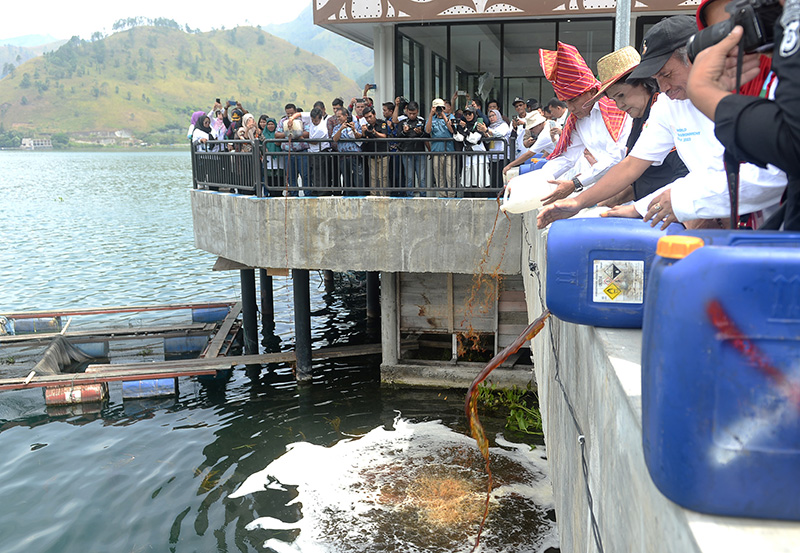
In contrast to ordinary detergents that only emulsify fats, eco-enzymes work as natural catalysts that decompose fats and contaminants into simpler molecules. This process makes cleaning more effective and does not pollute the water.
By pouring the diluted ecoenzyme into a river, ditch, or drainage system, you can help:
The use of eco-enzymes also has a direct impact on reducing the volume of organic waste. Because it is made from food waste and fruit peels, eco-enzymes help to significantly lower the cost of managing household waste.
Want to contribute to reducing kitchen waste and at the same time get a versatile liquid that is environmentally friendly? You can make your own ecoenzyme at home with simple ingredients. Here are the tools, materials, and steps you need to know.

Ecoenzymes are made from three main components: sugar, fruit and vegetable residues, and water. The comparison ratio is 1: 3: 10. That is, for every 1 kg of sugar, you need 3 kg of leftover fruits and vegetables and 10 liters of water.
Ingredients used:
Necessary tools:

Clear plastic jar with a red lid and contains a mixture of organic waste, sugar ,and water (Source: monoandco.com)
Creating an eco-enzyme is not only a matter of managing kitchen waste, but also a real step towards a more sustainable lifestyle and caring for the environment. By utilizing materials that are commonly considered garbage, you can produce versatile liquids that are beneficial for households, agriculture, to environmental preservation.
In addition to saving costs, the use of eco-enzymes also helps reduce dependence on synthetic chemicals that are at risk of polluting water and soil. The manufacturing process is simple, the ingredients are easy to find, and the benefits are vast.
So, what are you waiting for? Start from your own kitchen and invite family or friends to try making ecoenzymes together. This one small step can have a big impact on a cleaner and healthier Earth.
Referencessources :
Enzymesos. What is Eco Enzyme?. Accessed on March 8, 2025
Featured Image: Limbah organik (Pexels.com/Denise Nys)
Apex predators such as lions and Tigers are known to pose a major threat to wildlife in their natural habitat.
However, in contrast to most animals, there is one unique creature that is able to survive the attack of predators without having to run away—simply by standing still. Can you guess what animal it is?
Yup, the answer is the anteater, a scaly mammal that has incredible natural defenses. Known as' the scaly ball', the anteater has a layer of hard scales that envelops almost its entire body. The scales function like an effective shield to protect it from wild animal attacks.
How, then, do anteaters protect themselves? When feeling threatened, the anteater will immediately roll its body up to form a solid ball. With this position, the vulnerable part of his body was hidden inside the scroll, while the outer part, covered with hard scales, became a defensive shield.
Unfortunately, behind its uniqueness and ability to survive predators, pangolins actually face a great threat from humans. This mammal is listed as one of the most illegally traded animals in the world. The high demand for their scales and meat makes pangolins the target of massive poaching.
What, then, makes anteaters so hunted, and how are conservation efforts going today? Check out the full explanation in the next section.
The anteater is one of the animals belonging to the class of mammals. As mammals, anteaters reproduce sexually and give birth to young (viviparous). Female anteaters have mammary glands for feeding their young.
The name 'pangolin' comes from the Malay language meaning to rollover, referring to the animal's habit of rolling over when it feels threatened. In English, pangolins are known as pangolins.
This unique animal has hard and strong scales that line almost its entire body, except for the abdominal part. The main function of these scales is to protect against predator attacks. When it feels in danger, the anteater will roll its body up to form a ball, hiding vulnerable parts of the body inside the roll.
Pangolin habitats are very diverse, ranging from tropical rainforests, savannas, grasslands, to agricultural land in the lowlands. Its main food is ants and termites, which it catches using a long, sticky tongue—a characteristic feature of anteaters that helps it reach prey in the nest.

There are currently eight species of anteaters spread across two continents, namely Asia and Africa. Here's the list:
In Southeast Asia, including Indonesia, the species of pangolin found is the Sunda pangolin (Manis javanica). This animal is spread in several regions such as Sumatra, Kalimantan, and Java, as well as a number of small islands such as Bangka, Belitung, and Nias.
Citing a report from Traffic, the Sunda pangolin is currently categorized as a Critically Endangered species on the IUCN Red List of Threatened Species. The population of this anteater is experiencing a drastic decline, which is largely due to the rampant illegal trade.
In Indonesia, pangolins are protected animals Under Law No. 5 of 1990 on the Conservation of Natural Resources and ecosystems. Protection against Sunda pangolins is also emphasized in the regulation of the Minister of Environment and Forestry number 106 of 2018.
Anyone who catches, kills, injures or trades pangolins illegally may be subject to criminal sanctions. In accordance with Article 40 Paragraph (2) and Article 21 paragraph (2) letter (d) of Law No. 5 of 1990, such violations can be subject to a maximum prison sentence of five years and a fine of up to Rp100 million.
Pangolins are mammals that have a number of unique physical and behavioral characteristics, making them different from other animals. In fact, the anteater is the only mammal in the world that has scales.
These scales become one of the most characteristic body defense systems among mammalian animals.

Here are the common characteristics of pangolins that you need to know:
In addition to being known for their hard scales, anteaters also have very unique behaviors and characteristics. This mammal is classified as shy and prefers to live alone (solitary). In their natural habitat, anteaters exhibit a number of interesting behaviors that distinguish them from other animals.
Here are some unique facts about anteaters that live in the wild:
Pangolin scales are composed of keratin, which is the same protein that makes up human nails and hair. Although not a bone, these scales are so strong and hard that they are able to protect pangolins from wild predators such as lions, tigers and even humans.
Having no teeth, anteaters do not chew their food in the mouth. Instead, food such as ants and termites will be crushed in the stomach, assisted by small pebbles that are swallowed to grind food mechanically.
During the day, the anteater usually rests in tree crevices, trunk cavities, or earthen holes that it digs on its own. This hiding place protects it from the heat of the sun and the threat of predators.
Mengutip dari American Association for the Advancement of Science (AAAS), lidah trenggiling bisa lebih panjang dari tubuhnya sendiri. This flexible tongue is very helpful when reaching insects in ant nests or termites that are deep in the ground or wood.
Anteaters have very sticky saliva, which serves to trap ants and termites when their tongue sticks out into the insect's nest. In one meal, anteaters can consume thousands of insects at a time.
Anteaters rely on a very sensitive sense of smell to find food. With this ability, they can detect the presence of ant colonies or termites even from a distance. The sense of smell becomes the main navigational tool in its survival, especially since its EyeSight tends to be weak.
Anteaters are known to have less keen eyesight. Therefore, they rely heavily on their sense of smell to find food and recognize the surrounding environment

Anteaters have the ability to walk bipedally, that is, on two hind legs only. When walking upright, it uses its long tail as a counterweight to the body. This movement is usually done while exploring or avoiding obstacles.
The anteater is the only mammal in the world whose entire body is covered with large, hard scales. Interestingly, the weight of such scales can reach about 20 percent of the total body weight.
The number of scales on the body of an anteater varies depending on the type of species. Reporting from ScienceDirect, here is a comparison of the number of scales in several species:
Anteaters have 46 to 47 vertebrae, making them the mammals with the most number of vertebrae compared to other mammals. The flexibility of this bone also supports its ability to roll the body perfectly.
Based on the Wild Planet Report, pangolins can prey on up to 20,000 insects such as ants and termites in one night. With this ability, anteaters act as a key species in maintaining the balance of insect populations in their ecosystems.
Anteaters are currently in a very alarming condition. Although it has the ability to survive from natural predators, the biggest threat to the survival of pangolins comes precisely from humans. Poaching and illegal trade have been the main causes of the drastic decline in pangolin populations in recent decades.
According to the IUCN (International Union for Conservation of Nature) Red List, All pangolin species in the world have been categorized as endangered species, with some of them having a critical status (Critically Endangered), including the Sunda pangolin (Manis javanica) spread in Southeast Asia, including Indonesia.
The biggest threat comes from international illegal trade, both in scales and meat. Pangolin scales are believed to have medicinal properties in traditional medicine, although there is no scientific evidence to support these claims. In addition, pangolin meat is considered an exotic food in some countries, especially in the East Asian region.
To combat this threat, various protective measures have been put in place. In Indonesia, pangolins are legally protected animals. This protection is set in:
Any person who illegally catches, maintains, injures, kills or trades pangolins may be subject to criminal sanctions. Based on Article 40 paragraph (2) in conjunction with Article 21 paragraph (2) letter (d) of Law No. 5 of 1990, such violations may be subject to imprisonment for up to 5 years and a maximum fine of Rp100 million.
In addition to legal efforts, National and international conservation agencies such as TRAFFIC, WWF, and IUCN also continue to promote education, animal patrols, as well as the rehabilitation and release of confiscated pangolins.
The anteater is not only a unique animal with hard scales and a super long tongue, but also an important creature in maintaining the balance of the ecosystem. As natural predators of ants and termites, anteaters help control insect populations that can be pests to crops and damage soil structure.
By getting to know pangolins better—from their characteristics, unique facts, to their conservation status-it is hoped that our awareness of the importance of protecting these animals will increase. You can play a role by not buying pangolin-based products, spreading the right information, and supporting conservation programs and law enforcement against wildlife trafficking.
Let's keep pangolins in the wild, for generations to come and for a more balanced Earth!
Sources and references:
What is a Pangolin. Save Pangolins.
The Plight of the Pangolin. EcoHealth Alliance.
Facts About Pangolins. World Animal Protection.
Pangolins: Introducing the lonely and sweet-natured scaly anteater. Planet Wild.
Featured image: Ilustrasi trenggiling (unsplash.com/Studio Crevettes)
A female dugong named “Fitri ' was rescued after accidentally becoming entangled in fishermen's nets in the waters of Cempedak Island, Kendawangan Kiri district, Ketapang Regency, on Friday, January 31, 2025.
This rescue was carried out thanks to a quick report from a fisherman named Supardi, who immediately informed the relevant authorities about the incident. The swift response of the joint team also allowed the evacuation and rescue process to run smoothly.
What is the story of the rescue of this marine mammal? Check out the full story below!

Dugongs are one of the marine mammals that are protected as their population continues to decline. Threats to this species come from a variety of factors, such as poaching, habitat destruction, and other human activities at sea.
Therefore, the rescue of dugong 'Fitri' becomes an important moment in supporting marine wildlife conservation efforts in Indonesia.
Supardi, the fisherman who first found the dugong entangled in his net, immediately reported the find to the authorities and the tourist Awareness Group (Pokdarwis).
This report was then followed up by a joint team consisting of Yayasan Initiasi Alam Rehabilitasi Indonesia (YIARI), Yayasan WeBe Ketapang, Lanal Kendawangan, and Pokdarwis cempedak Jaya.
Upon arrival at the location, the team immediately carried out the evacuation process with an approach that prioritizes animal safety. Dugongs caught in nets are at risk of severe stress (shock) or serious injury if not treated carefully.
After being successfully released “ 'Fitri' was then transferred to a safer area to undergo a medical examination by experts. This process is important to ensure their physical condition before deciding whether the dugong is fit to be released back to its natural habitat.

To ensure health conditions before being returned to the sea, the female dugong named “Fitri” underwent a thorough examination by a veterinarian from the Indonesian rehabilitation nature initiation Foundation (YIARI), drh. Fina Fadiah.
The results of the examination showed Fitri was in good enough condition and did not suffer serious injuries that threatened his safety. Interestingly, from the results of physical identification and data matching, it is known that this is not the first time Fitri was rescued.
“Based on the examination, this dugong is an individual that we have dealt with in April 2024. The fact that it reappears in the waters of Cempedak Island shows that this area is still an important habitat that we must continue to protect,” explained drh. Fina.
Since there was no indication of illness or injury that required follow-up care, the team decided that Fitri was fit to be immediately released into his natural habitat.

After being declared in stable condition, Fitri was returned to his natural habitat on Saturday, February 1, 2025, at 13.00 WIB. The release process is done carefully to minimize stress on the animal.
Fitri appears to swim slowly away from the shore towards the open waters, marking his successful return to a safer environment.
This release is a concrete proof of the success of cross-sector collaboration in conservation efforts for protected marine mammals. Chairman of the Tourism Awareness Group (Pokdarwis) Cempedak Jaya, Hartono, expressed his gratitude for the smooth running of this activity.
“Today we managed to release the dugong in good health. We are very grateful to YIARI, WeBe Ketapang Foundation, Lanal Ketapang, as well as the Acting Head of Kedawang Kiri village for their support. This moment is really valuable for us,” he said.
In line with that, Apriliyanto, Nintara Pembina Potensi Maritim (Babinpotmar) Pos TNI AL Kendawangan, also expressed appreciation for the synergy between the rescue team and the community.
“We would like to thank all residents of Kampung Nusantara Pulau cempedak. Their support was instrumental in the success of this release,” he said.
The release of Dugong Fitri not only marks the success of a rescue mission, but also a symbol of hope that with cooperation and concern, the preservation of marine animals can continue to be realized. Such efforts are an important step in maintaining the sustainability of Indonesia's marine ecosystem for future generations.
The rescue of dugong 'Fitri' is an important reminder of the urgency to maintain the marine ecosystem in a sustainable manner. Dugong is a protected species because it has a vital role in maintaining the balance of the seagrass ecosystem—a shallow marine habitat that is its main source of food.
If the dugong population decreases dramatically, the balance of the seagrass ecosystem will be disturbed, and this can affect the survival of other marine biota.
Sawalludin, a local fisheries extension worker, stressed the importance of active involvement of fishermen in dugong conservation efforts. He urged coastal communities to immediately report if they find dugongs trapped in nets.
“We urge the public to immediately report when they find dugongs caught in nets. If it is still alive, prompt treatment is necessary to save it. However, if it is dead, handling must still be done in accordance with applicable procedures,” he explained.
What Supardi did—fishermen who swiftly reported when they found dugongs entangled-is a clear example of the positive impact of public awareness and concern. Active involvement of coastal residents is needed so that dugongs, as a species that is vulnerable to extinction, can still live and breed in their natural habitat.
The successful rescue of the dugong “Fitri” proves the preservation of endangered marine species is still very possible, provided there is strong cooperation between the community, conservation organizations, and the government.
Even so, there are still many challenges to be faced. One of them is the lack of education on how to handle dugongs trapped in nets and the weak protection of their natural habitat from human activities such as seagrass destruction and marine pollution.
The awareness of coastal communities to act quickly when they see dugongs in danger shows that communities play an important role in conservation efforts. Therefore, a long-term commitment is needed to maintain marine ecosystems, both through reducing activities that damage the environment and through supporting conservation programs that have been implemented.
Let's take care of our oceans together, so that they remain a safe home for dugongs and various other living things that depend on the preservation of the sea!
On February 9, 2025, educational activities in commemoration of Indonesian Primate day were successfully held in Dusun Beringin 4, Lampung. This event involved as many as 52 children from farming families, who came from pre-PAUD to Junior High School.
This activity is not just a symbolic celebration, but a real step in instilling environmental awareness and the importance of conservation from an early age. Through a series of activities such as the introduction of the types of Indonesian primates, coloring, storytelling, to educational games, children are invited to learn while playing, get to know primates more closely, and understand their important role in the ecosystem.
Want to know how children in Dusun Beringin 4 Learn to love nature while playing? Check it out in this article!
Educational activities in the framework of Indonesia Primate day in Dusun Beringin 4 not only aims to commemorate this important day, but also become part of a long-term strategy in wildlife conservation efforts.
According to the Indonesian Journal of Primatology, Indonesia is home to more than 59 species of primates from 11 genera, spread across a variety of habitats ranging from tropical rainforests to mountains.
Unfortunately, their existence is increasingly threatened by hunting, illegal trade, as well as massive destruction of forests.
Through this activity, YIARI designed an educational approach that targets children from farming families as the first step in building collective awareness from an early age. The main objectives include:
Here is a series of these activities:

This session became the core of conservation education activities. The children were introduced to various types of primates that live in Indonesia, such as orangutans, langurs, and tarsiers. They were also invited to understand the ecological role of primates, for example as seed dispersers of plants that help regenerate forests.
The material is delivered through visual media such as images and educational videos to make it more interesting and easy to digest. In addition, children are also introduced to various real threats faced by primates, such as deforestation, poaching, and illegal animal trade.
Through this session, participants gain knowledge as well as expected to foster empathy and concern for wildlife.

Coloring becomes one of the favorite activities that are fun and educational. The children were given illustrated sketches of Indonesian primates to be colored according to their imagination.
This activity honed motor skills and creativity, as well as a means of getting to know animals more closely through visual and artistic approaches.
With the appropriate theme, coloring becomes an effective learning media to strengthen children's understanding of the types and characteristics of Indonesian primates.

Fairy tales are one of the most effective methods of conveying messages to children. In this session, they were invited to listen to stories that raised the theme of the importance of maintaining forests and protecting wildlife.
The story is delivered with an interesting plot and animal figures that are easily recognizable and liked by children.
Through fairy tales, children are entertained while learning that human actions can have a direct impact on the survival of animals in the wild. The moral message conveyed was able to form ecological awareness and instill conservation values from an early age.

For children, learning will be more fun if done through play. In this session, the YIARI team invited the children to participate in various educational games after completing a series of other activities.
The presented game is designed to train teamwork, accuracy, as well as critical thinking skills. With this playful learning method, children become easier to understand conservation issues and more aware of the importance of taking care of primates and their environment.

In addition to listening to fairy tales, children are also invited to read books on the theme of Wildlife Conservation. These books contain inspiring stories as well as interesting information about primates and the forest ecosystems in which they live.
This reading activity aims to instill conservation values through literacy, as well as increasing children's interest in reading. Through stories that are packaged in a light and educational way, it is hoped that children can understand the importance of maintaining biodiversity and respecting the surrounding wildlife.

As part of the program's evaluation and ongoing improvement efforts, the YIARI team also conducted a survey of the children and their families. This survey aims to explore their understanding, attitude, and level of awareness towards primate conservation.
The results of the survey will be the basis for designing further educational programs to be more relevant and effective. By involving direct participation from participants, this approach helps ensure conservation activities are truly impactful and accepted by the community, especially the younger generation.
With primate conservation education, there are several expectations and educational impacts that can be achieved in the short and long term, including:
Primates play an important role in maintaining the sustainability of forest ecosystems. They serve as seed dispersers, insect population controllers, to natural indicators of Environmental Health. Unfortunately, the threat to primate populations continues to increase due to poaching, illegal trade, as well as habitat destruction.
Primate conservation efforts cannot rely solely on scientists or environmental activists. The involvement of the wider community, including children as the next generation, is key in maintaining the sustainability of this species in the future.
Through educational activities in the framework of Indonesia Primate day, yiari instills conservation values to children with a fun and interactive approach. The children were introduced to the diversity of Indonesian primates and invited to understand how human behavior can directly impact their survival.
Activities such as storytelling, coloring, reading books, and playing educational games are effective media in conveying conservation messages. With this method, children are expected to experience a learning process that imprints emotionally.
In the short term, this activity succeeded in increasing the knowledge and awareness of children about the importance of preserving primates and the environment. Children begin to understand that simple actions, such as not buying or raising wildlife, can have a huge impact on the preservation of ecosystems.
In the future, this education is expected to produce a generation that is more environmentally conscious and plays an active role in wildlife conservation efforts. Children who grow up with conservation values have the potential to become agents of change that encourage the creation of more environmentally friendly and responsible societies.
Educational activities such as Lampung Primate day prove that the learning process that is packaged in a fun way is able to foster a deep sense of empathy for nature. In addition to understanding the importance of protecting primates, children are also encouraged to be directly involved in preserving the surrounding environment.
We would like to thank all participants, volunteers, and those who have supported this activity. The spirit shown by the Children of Dusun Beringin 4 is proof that education and conservation can go hand in hand to create a better future.
Programs like this are expected to continue to grow and reach more regions, so that more Indonesian children grow up with an awareness of the importance of conservation. Let's take care of our forest friends—primates—together for a sustainable, harmonious and sustainable future for the Earth!
When it comes to animals that can climb and hang on trees, what is the first animal that comes into your head? Perhaps, your mind will immediately go to monkeys or squirrels that are already clearly reliable in terms of climbing climbing.
However, more than monkeys and squirrels, there are other animals that are no less adept at moving from tree to tree in a short time.
The animal is a clouded leopard (Neofelis), a medium-sized cat that spends a lot of time on trees.
Clouded leopards are a unique and interesting cat species. They have very long and sharp canines. This makes them similar to the extinct ancient Big Cat, the saber-tooth tiger(Smilodon populator).
Although not as large as Sumatran tigers or Javan Leopards, clouded leopards are predators feared by most land mammals, such as monkeys, deer, pigs, and other small mammals. They hunt in ambush, then carry their prey up trees to enjoy until nothing remains.
Want to know more details about clouded leopards? Come on, check out the full explanation below!
Clouded leopard is a medium-sized wild cat species known for its skill in climbing and hanging from trees. This animal still belongs to the Felidae family, so it is closely related to tigers, lions, leopards, as well as domestic cats.
Like other cats, clouded leopards have sharp canines and claws. However, what distinguishes it is the amazing ability to climb trees—one of the best among the cat family.

Quoting from Khao Sok National Park, Thailand, clouded leopards are known as the best tree climbers among all cat species. They are able to climb with their body upside down, as well as hang using their hind legs. In fact, they can get down from trees headfirst, a technique rarely found in other wild cats.
Because it relies heavily on trees, the clouded leopard's favorite habitat is dense, evergreen tropical rainforests. However, they can also be found in many other types of habitats such as dry forests, swamps, grasslands, and scrub.
As carnivorous animals, clouded leopards hunt a wide variety of mammals, ranging from small to large, such as squirrels, mice, hedgehogs, monkeys, deer, wild boars, as well as various types of birds.
Taxonomically, clouded leopards are divided into two main species, namely:
Continental clouded leopards are widespread in mainland Asia, including Bhutan, Nepal, Bangladesh, Myanmar, India, China, to Peninsular Malaysia. This species has a cloud-shaped pattern all over its body, with a larger size than the Sunda clouded leopard.
Sunda clouded leopards live in the territory of the Sunda Islands, such as the islands of Sumatra and Kalimantan. The cloud pattern on the body is smaller, with the coat color tending to be more gray. Based on the distribution, the Sundanese clouded leopard is subdivided into two subspecies:
This subspecies lives on the island of Sumatra and the Batu Islands. They have a very arboreal nature, which means that they are more often on trees and rarely go down to the ground. This is due to the presence of Sumatran tigers that dominate land areas and can be a threat.
Unlike its relatives in Sumatra, The Borneo clouded leopard lives without the presence of other big cats as competitors. Therefore, they often descend to the ground and become apex predators in their habitat. Their presence is very important in maintaining the balance of Kalimantan's forest ecosystem.
Clouded leopards have a number of distinctive features that distinguish them from other cat species, both large cats and domestic cats. In addition to being known as an excellent tree climber, one of the main peculiarities of clouded leopards is their long and sharp canines, which are not shared by other modern cats today.

Here are the typical physical and behavioral characteristics of clouded leopards:
In comparison, clouded leopards are about four times smaller than Sumatran tigers, but five times larger than domestic cats. Despite its not very large body, the clouded leopard remains a formidable predator and dominates its territory, especially in dense tropical forest ecosystems.

Known as one of the best climbers among all types of cats, the clouded leopard has a number of interesting facts that make it even more unique. Here are some interesting facts about clouded leopards:
Menurut Smithsonian’s National Zoo & Conservation Biology Institute, macan dahan tidak dapat mengaum seperti harimau atau singa. This is due to the different structure of the larynx and hyoid bones, which are not as flexible as in other large cats.
In addition, they also cannot purr in full, in contrast to domestic cats.
Unable to make roars or purrs, clouded leopards communicate with growls, hisses, hissing sounds, to sniffs. This form of communication is used to mark territory, attract the attention of a partner, or signal when feeling threatened.
In the wild, clouded leopards have an average life expectancy of about 12-15 years. However, if treated in captivity or controlled environments, their lifespan can reach 17 years.
This figure is classified as shorter than lions, which can live up to 16 years in the wild and even 20 years in captivity.
Although its body is not as large as that of other predators such as tigers, clouded leopards are capable of preying on animals larger than it. Their prey can include Gibbons, Wild Boars, as well as medium to large primates and mammals, thanks to effective ambush techniques and incredible bite force.
Clouded leopards reach sexual maturity when they are about two years old. At this age, they are already ready for breeding, with an unlimited breeding season at a certain time of the year.
Although in general clouded leopards can breed at any time of the year, in an environment of captivity or human care, the majority of the breeding process has been recorded to occur from December to March.
This is most likely influenced by environmental factors and activity patterns that are more stable under controlled conditions.
When entering the reproductive period, the female clouded leopard is able to give birth to between one and five cubs in one pregnancy. Clouded leopard cubs will be cared for and cared for by their mother independently until they are strong enough to live alone in nature.
One of the peculiarities of the anatomy of a clouded leopard lies in the ability to open the mouth very wide, that is, up to 100 degrees. In comparison, Lions can only open their mouths at about 65 degrees. This ability favors the effectiveness of the clouded leopard bite when capturing and immobilizing its prey.
Clouded leopards have long, strong, curved canines, which resemble the ancient saber-tooth tiger (Smilodon populator). Although not as large as the extinct Smilodon millions of years ago, this similarity in tooth structure suggests that clouded leopards inherited the characteristics of formidable ancient predators.
Macan dahan saat ini dikategorikan sebagai spesies yang rentan terhadap kepunahan oleh International Union for Conservation of Nature (IUCN). The two main species of clouded leopard—the continental clouded leopard (Neofelis nebulosa) and the Sunda clouded leopard (Neofelis diardi)—each have alarming statuses.
In addition, clouded leopards have also been legally protected in many Asian countries, including Indonesia, Malaysia, and Thailand.
In Indonesia, the Sunda clouded leopard is listed in Appendix I of CITES (Convention on International Trade in Endangered Species), which means that any form of international trade in this species is prohibited except for scientific conservation purposes.
Clouded leopards are not just wild cats that climb trees. It is a symbol of the unique and rich biodiversity of the tropical forests of Southeast Asia. With outstanding physical characteristics, distinctive behaviors, and an important role as a predator in the ecosystem, the presence of clouded leopards is vital to the balance of nature.
Unfortunately, various threats continue to lurk for his survival. Therefore, it takes awareness and real action from all parties—from governments, conservation agencies, to the general public—to protect this species from extinction.
Let's take care of the forest and all the creatures that depend on it, including this amazing clouded leopard!
Sources and references:
Every second, you breathe in the air around you without really thinking about what it contains.
However, have you ever imagined if the air that looks clean turns out to contain harmful substances that are not visible? This is what is known as air pollution.
Air pollution is a serious problem that continues to haunt, especially in big cities in Indonesia. This problem is not just an environmental nuisance, but a real threat that is slowly destroying human health and ecosystems. Although it often goes unnoticed, its impact cannot be underestimated.
Without realizing it, daily activities such as driving on the streets expose you to polluted air. This pollution can cause a variety of health complaints, ranging from mild coughing to more serious breathing disorders.
Through this article, we will explore more about the adverse effects of air pollution on health and the environment, as well as find out practical steps that can be done to help reduce it!

According to the World Health Organization (WHO), air pollution is air pollution by harmful substances that can harm human and animal health, as well as damage the environment.
Sources of air pollution are very diverse. Much of it comes from human activities, such as burning fossil fuels for vehicles, industry, and power plants. However, pollution can also come from natural processes such as volcanic eruptions or forest fires.
United States Environmental Protection Agency (EPA) mendefinisikan polusi udara sebagai campuran kompleks antara partikel dan gas di atmosfer. This mixture includes ozone, carbon monoxide, sulfur dioxide, nitrogen dioxide, as well as fine particles such as PM2.5 and PM10. These microscopic particles are very dangerous because their small size allows them to go deep into the respiratory tract, even down to the lungs.
Locally, the Indonesian Ministry of Environment and Forestry (MoEF) explained that air pollution is an increase in certain substances or energies in the air in certain concentrations and durations that can change air quality. If left unchecked, this condition can have serious impacts on public health and environmental sustainability.
However, air pollution is not just a matter of numbers or scientific terms. This is a real problem that touches everyday life. For example, have you ever noticed that the sky in a big city is rarely bright blue, even in the morning? That's one of the signs that the air around you is not clean.
More worrying, not all pollution you can see or feel right away. Harmful gases such as carbon monoxide or nitrogen dioxide have no color or odor. Because of its hidden but deadly nature, air pollution is often dubbed the'silent killer'.

Air pollution has serious consequences, both on human health and on environmental sustainability. Here are the five most dangerous impacts of air pollution that you need to be aware of:
This may sound surprising, but poor air quality can actually shorten life. According to the 2021 Air Quality Life Index (AQLI)report , the average Indonesian population loses about 2.5 years of their life expectancy due to high exposure to fine particles (PM2.5) which exceeds the safe threshold set by WHO.
Imagine if every day you breathed clean air-your life could be longer and healthier. Creepy, isn't it?
Air pollution has been shown to contribute to a variety of chronic and deadly diseases. Based on data from the National Research and Innovation Agency (BRIN) in 2019, the five main diseases directly related to air pollution in Indonesia include stroke, ischemic heart disease, chronic obstructive pulmonary disease (COPD), lower respiratory tract infections, tracheal, bronchial, and lung cancer.
Worse yet, the impact knows no age. A study from Diponegoro University (UNDIP) in 2020 showed that the high number of respiratory tract diseases in children and toddlers is closely related to air quality in the household environment. One of the main causes is exposure to smoke while cooking, especially when the mother takes the baby or toddler to the kitchen that does not have good ventilation.
The most tragic impact of air pollution is premature death. Data from Greenpeace Indonesia shows that around 7,390 Jakarta residents die faster each year due to chronic air pollution exposure.
Not only that, around 2,000 babies are reported to be born with low weight each year in the same region. This condition is closely related to poor air quality during pregnancy.
Air pollution not only threatens human health, but also accelerates the destruction of the environment. One of the impacts is acid rain, which can damage crops, pollute water sources, and disrupt the balance of ecosystems.
In addition, the increase in pollutant particles in the atmosphere leads to a decrease in visibility, blurring of natural landscapes and a decrease in the overall quality of life—especially in urban areas.
Air pollution also provides a not small economic burden. The cost of treating diseases caused by pollution, increased visits to health facilities, and decreased work productivity due to sick employees are a separate burden for households and the state.
According to a report quoted from SETKAB in 2023, the economic burden due to air pollution in Indonesia includes health costs that increase significantly as well as productivity losses that continue to swell over time. This shows pollution is not only a health problem, but also a national economic problem.

Tackling air pollution is not only the government's job, but also our collective responsibility. You can contribute starting from small steps in everyday life.
How to effectively reduce air pollution? Here are five steps you can take:
Land Transport is a very large contributor of carbon dioxide (CO₂) and nitrogen oxide (NOₓ) emissions. One of the most effective ways to reduce air pollution is to switch to public transportation, such as buses or trains.
If possible, try cycling or walking for short distances. In addition to being more environmentally friendly, it is also good for your health. You can also carpooling with friends or start switching to electric vehicles to reduce exhaust emissions.
Burning household waste can produce harmful substances such as carbon monoxide (CO), dioxins, and fine particles that are very harmful to health. So, one of the simplest ways to help is not to burn garbage.
Instead, try sorting waste by type: organic, inorganic, and recycled. You can also take advantage of garbage banks or recycling services that are now increasingly available in various cities. Even better if you can process organic waste into compost at home!
We all know, trees play an important role in absorbing carbon dioxide and producing oxygen. Therefore, planting trees is a classic but still relevant step in reducing air pollution, especially in vehicle-intensive cities.
Start from the neighborhood: plant trees or green plants in the yard or in pots. You can also participate in environmental reforestation programs or tree planting campaigns with the community.
The campaign to bring your own drinking bottles instead of buying bottled water over and over again is one simple but effective example of reducing pollution—not just plastic waste, but also emissions from the production process.
Not only that, many household products such as paints, cleaners, and air fresheners contain harmful chemical compounds that can pollute the air in the House. For that, make sure you choose products that are free of toxic chemicals, do not contain aerosols, and if possible, certified environmentally friendly.
Also use energy-efficient electronic devices, such as LED lamps and household appliances with energy efficiency labels. These small steps can have a big impact when done consistently.
While not everyone can make the Switch right away, the use of renewable energy remains an important long-term solution in suppressing air pollution and greenhouse gas emissions.
If possible, you can start small, such as installing solar panels in your home, or supporting products and services from companies that implement green energy. In addition, make it a habit to save electricity by turning off lights and electronic devices that are not used. Energy-saving, cost-effective, and certainly more environmentally friendly.
That's a review of the dangers of air pollution and the real steps you can take to reduce it. Even though it looks simple, the small actions you take every day can have a big impact if done together.
Clean air is the right of all living things. So let's take care of each other for the health of ourselves, future generations, and a better Earth!
Featured image: Image of a highway with lots of vehicles and smoke / source: Kompas