Cooperation in the management of coastal and marine resources plays a crucial role in maintaining ecosystem balance while supporting environmental sustainability. Coastal and marine areas store biodiversity, as well as being the main source of livelihood for the people who live around them.
Unfortunately, pressures from overexploitation, the effects of climate change, and various other human activities are increasingly threatening the sustainability of these resources. Therefore, an integrated management strategy is needed, based on cross-sector collaboration, and involving various stakeholders.
In this case, the synergy between government agencies, conservation organizations, and local communities is a key element to ensure the sustainability of the coastal environment can be maintained sustainably.
One example of this collaborative effort is the signing of a cooperation agreement between Yayasan Initiasi Alam Rehabilitasi Indonesia (YIARI) and Balai Pengelolaan Sumberdaya Pesisir dan Laut (BPSPL) Pontianak, which aims to strengthen the protection and management of coastal resources more effectively.

The signing of the cooperation agreement was held on February 10, 2025 between YIARI, BPSPL Pontianak, Faculty of Agriculture, University of Tanjungpura, and Ketapang Conservation WeBe Foundation.
This collaboration aims to strengthen environmental conservation efforts, encourage sustainable management of Natural Resources, and increase the involvement of academics and communities in the preservation of coastal and aquatic ecosystems in West Kalimantan.
The signing ceremony took place in a hybrid format, combining physical presence and online participation. Some participants attended directly at the Bpspl Pontianak office, while others followed the procession through the Zoom Meeting platform.
This Format allows for greater participation, encourages transparency, and strengthens cross-sector collaboration. Through this cooperation, it is expected that various programs will be born that have a real impact in maintaining ecosystem sustainability and improving the welfare of coastal communities.

Through this agreement, the four institutions are committed to strengthening conservation efforts and sustainable management of Coastal Resources in the West Kalimantan region. The main objectives of this cooperation are:
Synergy between government, academia, and conservation organizations is an important element in preserving coastal and marine ecosystems. Through this agreement, communication and coordination across sectors are expected to be stronger, so as to be able to face various challenges in managing natural resources more effectively and integrated.
With a sea area of about 3.25 million km2, Indonesia holds an extraordinary marine biodiversity. This agreement aims to strengthen various conservation initiatives in order to run sustainably, maintain ecosystem balance, while ensuring the economic and social sustainability of coastal communities in the long term.
The waters of West Kalimantan are an important habitat for a number of rare and protected species, such as turtles, dugongs, and various types of reef fish. This cooperation is expected to encourage the implementation of scientific and adaptive management systems, emphasizing practices oriented to environmental sustainability.

Threats to marine ecosystems, such as pollution, destruction of coastal habitats, and destructive fishing activities, are increasing.
This agreement is a concrete step in strengthening efforts to preserve marine biodiversity, so that future generations can still enjoy and utilize Indonesia's natural resources responsibly and sustainably.
In order for this cooperation agreement to be implemented effectively and have a real impact, the four institutions involved have designed an implementation plan that includes a number of strategic programs.
The plan is based on collaborative, science-based, and sustainability-oriented principles. The main steps that will be carried out include:
This Program aims to increase the capacity of coastal communities and other stakeholders in managing marine resources sustainably. Activities that will be carried out include conservation training, the application of environmentally friendly cultivation techniques, as well as the introduction of sustainable fishing practices that support ecosystem balance.
To ensure every conservation measure is based on accurate data, a series of scientific studies will be conducted on the condition of coastal and marine ecosystems in West Kalimantan. The research includes monitoring populations of protected species, identification of threats to marine habitats, as well as preparation of Technical Recommendations for better management.
In an effort to strengthen environmental governance, this cooperation also includes support for the formulation and implementation of policies based on scientific data. In addition, there will be monitoring of the implementation of conservation regulations to ensure compliance at the local and regional levels.
Community education is an important aspect in maintaining sustainability. Through various campaign activities, socialization, and dissemination of information, this program aims to raise public awareness about the importance of preserving marine ecosystems, as well as the benefits of managing coastal resources wisely and sustainably.
The synergy between BPSPL Pontianak, Faculty of Agriculture, University of Tanjungpura, YIARI, and Ketapang Conservation WeBe Foundation is a strategic step in maintaining the sustainability of coastal and marine natural resources.
Through this cross-sector collaboration, the utilization of marine resources is expected to be done wisely, without compromising the sustainability of the ecosystem. Various initiatives such as scientific research, community assistance, and the application of environmentally friendly technologies are the main pillars in building a sustainable resource management model.
This joint effort not only focuses on ecological aspects, but also emphasizes the importance of a balance between conservation and the well-being of coastal communities. Thus, the marine ecosystem is maintained, while providing economic benefits for current and future generations.
In addition, education and capacity building activities for fishermen and local communities are important elements in strengthening marine-based economic resilience. This approach is expected to create coastal communities that are independent, resilient, and concerned about the preservation of the marine environment.
Featured image: the initiator team of yiari and BPSPL cooperation for West Kalimantan marine conservation (BPSPL Pontianak)
Environmental and sustainability issues are now getting more attention, especially in the midst of the rampant exploitation of Natural Resources (SDA) that have a direct impact on ecosystems and people's lives. To help encourage the role of the media in raising these important issues, Yayasan Initiasi Alam Rehabilitasi Indonesia (YIARI) together with Khatulistiwa women journalists (JPK) held a writing workshop at Hotel Neo, Pontianak, towards the end of 2024.
The workshop is designed to strengthen journalists ' ability to cover environmental topics in greater depth and meaning. Participants are also equipped with an understanding of the management and conservation of natural resources, plus writing training so that the results of their coverage are sharper, informative, and have a real impact on the community.
“Maybe you've seen videos of orangutans who are confused about looking for a place to live because their habitat has been damaged—their land has become empty land. This is still an important issue that needs to be raised. In addition, there is also the topic of One Health , which is no less important. This concept explains how animal, natural, and human health are interrelated. If the animal is not healthy, it can affect humans as well,” explained Hasna, Yiari's media and communication Supervisor.

The workshop was officially opened by the Secretary of YIARI, Marius Marcellius, together with the head of Khatulistiwa women journalists (JPK), Aseanty Pahlevi. In their remarks, both emphasized the importance of the role of journalists in maintaining public attention to environmental issues. They also highlighted how the media can be a powerful advocacy tool to encourage wiser and more sustainable management of Natural Resources.
A total of 16 journalists from Pontianak, Ketapang, and Singkawang took part in this activity. Participants come from various media backgrounds, both print, online, and television. Interestingly, the majority of participants are female journalists who do have a high concern for environmental issues.
During the workshop, the participants got a lot of insight from the speakers who are experienced in their fields, such as Ganjar Krisdiyan (Assistant Manager Community Development YIARI), Sapariah Saturi (journalist Mongabay Indonesia), and Aries Munandar (editor Jubi and freelance journalist).
They discussed various strategies for covering environmental issues, the latest developments in natural resource management, and the challenges that often arise when writing conservation and sustainability news. In addition, participants were also invited to explore effective writing techniques and how to compose strong and data-based narratives.
In the next session, the discussion continued to the topic of Environmental Journalism Ethics and issue mapping, which helps journalists understand the principles of ethical coverage as well as the various obstacles they commonly face in the field.

Sesi pertama dalam lokakarya ini dibuka oleh Ganjar Krisdiyan, Assistant Manager Community Development YIARI. In his presentation, Ganjar invited participants to understand more about the trend of natural resource management, conservation, and the importance of maintaining biodiversity. This material became the initial foundation to broaden participants ' horizons on increasingly urgent environmental issues in Indonesia.
Ganjar explains comprehensively what forests and forest areas are, and why biodiversity is crucial to ecosystem balance. He also highlighted real challenges on the ground, such as land conversion and increasing conflict between humans and Wildlife—phenomena that are increasingly occurring due to forest encroachment and overexploitation of Natural Resources.
Not only that, Ganjar also discussed various regulations related to wildlife protection, and explained the stages in conservation efforts suchas rescue, rehabilitation, and the release of animals back to their natural habitat. The discussion also highlighted the importance of active community involvement in conservation activities, both through community-based approaches and through policies that are more in favor of the environment.
After the first session, the training continued with an explanation from Sapariah Saturi, a senior journalist from Mongabay Indonesia. In this session, Sapariah raised important issues around extractive industries, energy, and their impact on vulnerable groups—especially women and Indigenous communities.

Sapariah invited participants to take a closer look at the real impact of the fossil energy industry, especially coal, on the environment and public health. He also discussed the urgency of the transition to clean and sustainable energy, such as solar and wind power. On the other hand, he highlighted the government's energy policy which is still considered too dependent on biomass and less in favor of environmentally friendly energy.
Sapariah also emphasized the importance of gender sensitivity in the coverage of environmental issues. Women are often the group most affected by environmental crises—from limited access to clean water to rising domestic burdens—but their voices still rarely appear in the media or in policy-making.
Through this session, participants are invited to be more sensitive in highlighting social vulnerabilities in the environmental crisis and how journalism can be a tool to fight for ecological justice and equality.
The next session was hosted by Aries Munandar, editor of Jubi and freelance journalist, who discussed various challenges as well as opportunities in covering environmental issues, especially in the West Kalimantan region. According to Aries, ecosystem damage cannot only be seen as an environmental issue, because the impact is very broad—including social, cultural, and economic aspects of local communities.
In his presentation, Aries explained how deforestation and forest degradation contribute to the disruption of the global carbon cycle and the increased risk of disasters such as floods. He also highlighted the complexity of forest management policies that are often influenced by political and economic interests, making the coverage of environmental issues a challenge that is not only technical, but also structural.
Another issue that is no less important is the loss of local vocabulary and traditions along with the destruction of nature. Aries reminded that the preservation of local culture and conservation of endemic animals need to be viewed as one unit in an effort to maintain the environment holistically.
This discussion opened the participants ' insight on the importance of exploring issues that often escape the spotlight of the mainstream media. With a more critical and in-depth perspective, journalists can present coverage that is not only informative, but also encourages real change at the community and policy level.
As part of the interactive learning process, the participants also took part in an exploration session on the idea of coverage. In this session, they had the opportunity to consult directly with mentors, developing original, innovative, and potentially impactful coverage ideas for the community.

Not only listening to the material, participants were also actively involved in small group discussions. Through this discussion, they mapped various challenges and opportunities in the coverage of environmental issues. Some of the main challenges that arise include limited access to data, pressure from various stakeholders, to low media interest in environmental issues because they are considered less commercially selling.
However, this session encourages participants to keep looking for gaps and strategies in voicing environmental issues creatively and relevantly. Collaboration among participants and guidance from mentors help reinforce coverage ideas that are not only informative, but also able to arouse public awareness.
Together, let's write for nature!
Optimal health and nutrition is an important foundation in supporting children's growth and development, especially at school age which is a crucial period in the formation of physical and intelligence.
Unfortunately, there are still many children in Indonesia who experience nutritional problems, including malnutrition, which has the potential to inhibit their development in the future, both physically and cognitively.
In response to these conditions, various parties—including governments, non—governmental organizations, and local communities-are actively working to expand children's access to nutritious food. One of the initiatives carried out by YIARI is healthy eating activities together.
This activity was inspired by the concept of free meals proclaimed by the government, but developed specifically to reach children at the yiari work site.
Through this activity, YIARI is committed to providing balanced nutrition for children, especially in remote areas.
More than just sharing food, healthy eating activities together also emphasize the educational aspect. Children and the surrounding community are invited to understand the importance of healthy eating and lifestyles that support long-term health. With this holistic approach, activities are expected to create sustainable changes in consumption patterns and community nutrition awareness.
What are the details of the show? Check it out!

This healthy eating activity was held at SDN 02 Muara Pawan, Ketapang Regency, and was attended by more than 200 students. This school was chosen because of its location directly adjacent to the forest area and is included in the yiari assisted area.
The activity lasts for one week, starting from February 20 to February 27, 2025. On the first day of implementation, the activity was attended by the Muara Pawan Police Chief, IPDA Lukman Hakim, S.H., along with the apparatus of Sungai Awan Kiri Village, Muara Pawan Sub-District. The presence of these figures shows the full support of the police and the village government in efforts to improve the nutrition of children in the region.

The purpose of healthy eating activities together:
The main purpose of this activity is to ensure that children get a balanced intake of nutrients needed to grow and develop optimally.
Based on data from the Ministry of Health in 2023, around 21.6% of children under five in Indonesia are stunted, and another 7.7% suffer from malnutrition. This condition can seriously affect a child's physical growth and cognitive abilities.
Through the provision of nutritious food rich in protein, vitamins, and essential minerals, YIARI seeks to reduce the number of cases of malnutrition, while supporting the fulfillment of children's daily nutritional needs, especially in areas prone to nutritional inequality.
In addition to providing nutritious food, YIARI also emphasizes the importance of nutrition education to children and parents. This activity is designed to build an understanding of the importance of healthy eating, how to process the right food, as well as the habit of consuming fruits and vegetables on a regular basis.
According to the 2022 Global Nutrition Report, about 40% of deaths from non-communicable diseases, such as diabetes and heart disease, are related to poor diet. By raising awareness of nutrition from an early age, this activity aims to encourage long-term behavioral changes towards a healthier lifestyle.
Children who get enough nutrition tend to have better energy, concentration, and endurance. This has a direct effect on their learning ability and performance in school.
A study from UNICEF in 2024 shows that children with good nutritional status have concentration levels up to 25% higher than children who are malnourished.
By supporting optimal physical and mental development, these activities contribute to creating a smart, productive, and highly competitive young generation in the future. That's why Healthy Eating Together is not just a short-term intervention in nutrition fulfillment, but a strategic investment for Sustainable Human Resource Development.

Through the implementation of healthy eating activities together, YIARI emphasized that children's health and education are inseparable aspects of environmental conservation efforts. This initiative reflects YIARI's holistic view of building a sustainable future.
“By ensuring children in our landscape receive proper nutrition, we are investing in a brighter and healthier future. This is not only for the wildlife we protect, but also for future generations of Conservation,” said Silverius Oscar Unggul, Chairman of YIARI.
Interestingly, all foodstuffs used in this activity are obtained directly from the surrounding community, creating local economic support while strengthening community involvement. This shows that the activity also builds synergies between the education, health, environment, and public welfare sectors at large.
This activity also received appreciation from the principal of SDN 02 Muara Pawan, Nurlita, S.Pd., which expressed great hopes for the sustainability of activities. “With better nutritional intake, we hope that children can focus on learning and growing healthily. Hopefully this activity can continue and provide long-term benefits for children in our school,” he said.
By providing nutritionally balanced food, YIARI is committed to supporting the growth and development of Indonesian children in order to become an excellent generation—healthy, intelligent, and competitive. This initiative emphasizes the importance of meeting daily nutritional needs, as well as educating families about healthy eating as a foundation for a brighter future.
Through collaboration with various parties, ranging from local communities to government agencies, YIARI hopes to reach more children in various regions. With mutual support, this activity is expected to create a real and sustainable impact on the health and well-being of future generations.
Featured image: Makan Sehat Bersama YIARI di SDN 02 Muara Pawan (Heribertus Suciadi | YIARI)
Have you heard of Loris? Primates with big charming eyes and their barely audible slow motion.
However, behind its uniqueness, the slow loris faces serious threats that threaten its survival in the wild. From illegal hunting to habitat degradation, every day becomes a struggle for the survival of this species.
This article will discuss in full about Loris-ranging from physical characteristics, natural habitat, diet, type, to various threats that continue to loom. Come on, let's explore the life of the big-eyed who keeps a myriad of these 'miracles'!
Lorises are small primates belonging to the genus Nycticebus, part of the Lorisidae family.
In English, this animal is known as slow loris because of its very slow and cautious movement. The body size of the loris is relatively small, generally no more than 30 centimeters.
As nocturnal animals, Loris are active at night. They spend most of the day sleeping behind dense foliage or hiding in tree crevices. Its slow and silent movements become a natural mechanism to avoid predators and keep their presence Hidden.
Slow loris are widespread in various regions of Southeast Asia, including India, Vietnam, the Philippines, Indonesia, and other countries that have tropical forest ecosystems. Their existence is highly dependent on the preservation of forests, which are the main habitat.
One of the most striking features of the loris is a pair of large, round eyes that exude an adorable impression. However, the function of these eyes is more than just appearance. As nocturnal animals, lorises rely on their sharp vision in the dark to find food and avoid threats at night.
Very slow and careful movements of the loris are not without reason. This is a natural adaptation to avoid predators. By moving slowly, slow loris do not make sounds or conspicuous movements that could invite danger. In addition, its strong grip allows the loris to hang on tree branches for long periods without fatigue, an important ability in arboreal habitats.
Another peculiarity of slow loris that is rarely found in other primates is the ability to produce poison. The glands in the elbow part of the loris secrete toxic substances that, when mixed with saliva, become an effective defense weapon. This poison can be used to protect themselves from predators and to paralyze small prey.
Behaviorally, slow loris are solitary and highly territorial animals. They prefer to live alone, except during the breeding season or when caring for offspring. One of their unique defense mechanisms is the ability to 'play dead'-a complete stop of movement when feeling threatened, a strategy that can outwit predators.
Slow loris inhabit the dense humid tropical forests of the Southeast Asian region, including Indonesia, Thailand and Malaysia. They are found in various types of forests, ranging from lowland forests to mountain forests with cooler temperatures.
These primates are very dependent on the presence of a dense tree canopy as a shelter and activity. Shady canopies not only provide protection from predators, but also become the main route for Loris to move and find food without the need to go down to the ground. Therefore, habitat loss due to deforestation and forest fragmentation is a serious threat to their survival.
Lorises are omnivores with a diverse diet, depending on the species and habitat in which they live. Its natural Diet includes insects, bird eggs, small reptiles, as well as various fruits and tree sap. This flexibility reflects the adaptability of Loris to environmental conditions, which allows them to maximize their intake of nutrients available in the wild.
One very important food source for lorises is tree sap. This sap is rich in nutrients and is relatively easy to find in tropical forest habitats. Lorises use special sharp teeth (known as dental Combs) to scrape the surface of the tree bark and stimulate the release of SAP. After that, they lick the sweet liquid slowly.
In addition, lorises also eat insects and other small animals, which provides a high protein intake. In addition to being important for its nutritional balance, this behavior also contributes to the control of insect populations in forest ecosystems. By selectively preying on insects, lorises play a significant ecological role as natural biological controllers.
Lorises are known to be very selective in choosing food. They do not carelessly consume whatever is available, but rather show a preference for a certain type of food that best suits their nutritional needs. This habit is part of a smart survival strategy in a constantly changing environment.
Indonesia is home to several species of slow loris, each of which has unique and interesting characteristics. Types of slugs in Indonesia include:

Sumatran slow loris is known as one of the slow loris species with the largest body size.
Its body length can reach from 27 to 38 centimeters. The main distinctive feature of this Loris is its dense fur of varied colors, ranging from grayish-brown to reddish-brown, usually decorated by a contrasting stripe on the back.
His face is striking with a dark 'mask' that runs from eye to eye, as well as a pair of very prominent large eyes. Sumatran Loris also have special teeth that are used to scratch the bark of trees to get the sap out.
Geographically, this species is distributed on the island of Sumatra, Peninsular Malaysia, and parts of the southern regions of Thailand. They inhabit lowland tropical rainforests, but can also be found in secondary forests and mangrove forests that still have dense vegetation.

Javanese slow loris is an endemic species found only on the island of Java. Its body size is smaller than that of the Sumatran Loris, and its fur tends to be darker, serving as a natural camouflage when on the move at night.
This species is very territorial and spends almost its entire life on trees. They rarely descend to the ground, since arboreal movement is safer from predators. The diet of Javanese Loris consists of insects, tree sap, and fruits, with a strong tendency towards the consumption of SAP as the main source of nutrition.

The Kalamasan slow loris, also known as the Philippine slow loris, is a species of slow loris that inhabits coastal areas north and east of Borneo, as well as the Sulu Islands in the Philippines. Formerly, this species was considered a subspecies of the Bornean slow loris (Nycticebus borneanus), but recent genetic and morphological studies have confirmed its status as a separate species.
The physical characteristics of the Kalamasan Loris resemble those of other lorises, with dense gray to brown fur that helps to camouflage itself among the trees. It is relatively small in size, with an average body length of just under 25 centimeters. Like other lorises, they are nocturnal and rely on their sense of smell and sight to find food.

Kayan slow loris is one of the slow loris species that has only been scientifically identified in the last decade. The name of this species is taken from the Kayan River in North Kalimantan, one of the main regions in its natural distribution.
The distinctive feature of this slow loris lies in its unique facial pattern, which is the presence of a firm white line that runs from the eyes towards the mouth, giving it a distinctive contrasting appearance. Its coat color tends to be darker than other slow loris species, serving as camouflage in tropical forest habitats.
The distribution of the Kayan Loris covers the central to northern regions of the island of Borneo, including Brunei, Sarawak, Sabah, East Kalimantan, to the Mahakam River and Rajang River. These species inhabit a variety of forest ecosystem types, ranging from lowland to mountainous, and depend on the preservation of dense forests as shelter and foraging.

The Bangka slow loris is a species of slow loris that is geographically restricted to the island of Bangka, off the east coast of Sumatra. Living in a relatively isolated island environment, this species developed several unique adaptations.
Physically, the Bangka Loris is smaller than its mainland relatives, with feathers that tend to be paler and denser. Their Diet is similar to that of other lorises, consisting of fruits, tree sap, as well as small insects.
Due to habitat limitations and threats from human activities, this slow loris is a species that is prone to environmental stress and requires special conservation attention.
Although not an endemic species of Indonesia, the Bengal slow loris is found in some western parts of the Indonesian territory, especially those bordering mainland Southeast Asia such as Myanmar, Laos, and Thailand.
These lorises have a larger body and thicker fur, which is an adaptation to environments with lower temperatures in mountainous regions. The color of the coat varies from light brown to gray, with a characteristic facial pattern resembling a dark “mask”.
The pattern of foraging is not much different from other species of lorises—they consume fruits, tree sap and insects as the main part of their diet.
Bornean slow loris is an endemic species of slow loris found exclusively on the island of Borneo. Previously, this species was often classified as part of the Sumatran slow loris or slow loris Menagensis. However, recent genetic and morphological analyses have established it as a stand-alone species.
The characteristics of the Bornean Loris include a medium body size with a coat color that varies between grayish brown to reddish, as well as a facial pattern that resembles other Loris species, but with smoother lines and different color contrasts.
They consume insects, fruits, and tree sap, and rely heavily on the existence of Borneo's intact tropical forests for survival.
The loris is one of the primates facing a serious threat of extinction. Berdasarkan Daftar Merah IUCN (International Union for Conservation of Nature), sebagian besar spesies kukang masuk dalam kategori Rentan (Vulnerable) hingga Terancam Punah (Endangered). The condition is compounded by massive poaching and widespread habitat destruction.
The two biggest threats to the loris ' survival are illegal trade and deforestation. Loris are often hunted to be exotic pets because of their cute appearance. Not infrequently, the capture process is carried out brutally, leading to serious injuries and even death. In addition, Loris body parts are also used in traditional medicine practices in some cultures, which further encourages hunting numbers.
To protect this species, various international and national regulations have been implemented. Kukang termasuk dalam daftar Apendiks I CITES (Convention on International Trade in Endangered Species of Wild Fauna and Flora), yang berarti segala bentuk perdagangan internasional spesies ini dilarang secara ketat.
In Indonesia, slow loris are protected by Law No. 5 of 1990 on the Conservation of living Natural Resources and ecosystems, and Government Regulation No. 7 of 1999 on the preservation of plant and animal species. Unlicensed hunting, possession or trade of Loris is illegal and punishable by criminal penalties.
Here are some of the main threats faced by slugs:
Lorises are often victims of the illegal pet trade. His face is considered adorable making it the main game of the exotic animal market. Many slow loris are caught from the wild in a cruel way-their fangs are cut off without anesthesia so as not to bite, which, on the contrary, leads to infection to death.
This trade not only violates the law, but also damages the natural population of Loris.
In some areas, Loris are believed to have medicinal value. His body parts were used as ingredients in traditional potions to cure various diseases. This practice reinforces black market demand and aggravates poaching.
Activities such as clearing land for agriculture, logging, and infrastructure development have resulted in severe damage to the slow loris ' habitat. The loss of the tree canopy that is the main place of life causes the loris to lose food sources and shelter.
In addition, habitat fragmentation leaves slow loris populations isolated, which decreases genetic diversity and magnifies the risk of extinction.
When their habitat is disturbed and adjacent to settlements, lorises are sometimes considered pests. Many were captured, killed, or driven from their natural habitat. This negative interaction often occurs due to people's ignorance of the ecological value of Loris.
The low level of public knowledge about the status of Loris as protected animals causes many people to still buy or maintain Loris illegally. The limited education campaign and the lack of legal socialization also worsened the situation.
At the end of our journey to know Loris, one thing becomes even more evident: their existence is not just a biological treasure, but also an important indicator of the health of our forest ecosystems. Loris are an indispensable part of the Living network that maintains the balance of the universe.
Any individual slow loris disappearing from the forest is a sign that the ecosystems that support our lives are being disrupted. Protecting lorises means preserving tropical forests and all the life that depends on them—from soil microorganisms to giant trees, from rare birds to humans.
The actions we take today will determine the future of Loris and the quality of the environment we will pass on to future generations. Now is the time for us to join hands—communities, governments, conservation agencies, and businesses—to strengthen our commitment to nature conservation.
Let's make sure that the voice of our forests will not disappear in silence. Let the sound of life continue to flow, and let the slow loris continue to swing between the branches of trees, becoming a symbol of hope and the sustainable continuation of nature!
Featured image: Nycticebus javanicus | Denny Setiawan (YIARI)
One of the main economic sectors in Indonesia is agriculture.
This sector has become an integral part of the lives of Indonesian people. However, many farmer groups are still facing challenges in managing the business continuously. An understanding of the institutional science of farming group business is the key in building a stronger and independent farming business.
To support this, Yayasan Initiasi Alam Rehabilitasi Indonesia (YIARI) conducted a comparative study for farmers assisted by them to the Forest Management Unit (KPH) Pesawaran, Lampung.
How was the experience of the farmers assisted by YIARI in this comparative study and what are the benefits for more sustainable management of farming?
Check it out in the following article, Yes!
Agroforestry is a method of land management that integrates the cultivation of forestry, agriculture, and livestock crops in a system that supports each other. This approach is intended as a solution to land conversion problems that often have a negative impact on the environment.
Unplanned land conversion can cause various ecological damages, such as floods, droughts, soil erosion, decreased land fertility, loss of biodiversity, and accelerated climate change.
By implementing agroforestry, the community can maintain the ecological function of the land while obtaining economic benefits from agricultural and forestry products.
Etymologically, the term agroforestry comes from English, namely “agro” which means agriculture and “forestry” which means Forestry. In Indonesia, this concept is also known as wanatani—a combination of the words “Wana” (forest) and “tani” (agriculture).
This term reflects the harmonization of agricultural activities and the preservation of forests in a single, sustainable ecosystem.

The comparative study activity held on December 17-19, 2024 was an important moment for eight farmers from the Sumber Makmur and Sustainable Agriculture Association (Gapoktan).
In this visit, they had a direct opportunity to learn from the institutional and agricultural practices implemented by farmer groups in the Forest Management Unit (KPH) Pesawaran, Lampung.
The main objectives of this activity are:
This comparative study is designed to improve the capacity of farmers in understanding the structure, role, and institutional functions in the context of farming. With a better understanding of the institutional system, farmers are expected to be able to carry out agricultural activities in a more organized and sustainable manner, both in terms of production, marketing, and resource management.
Kph Pesawaran was chosen as a learning location because farmer groups in this region have succeeded in forming strong institutions and are able to run collective farming. The hands-on experience of this farmer group is a concrete reference for yiari assisted farmers to understand how good governance can drive collective success.
Through this comparative study, farmers gain insight into how agroforestry systems can be applied on a group scale. This Model not only combines the functions of agricultural and forestry production, but also pays attention to environmental sustainability through the protection of soil, water and biodiversity.
Kph Pesawaran shows that the agroforestry approach can provide multidimensional benefits: increasing agricultural yields, maintaining environmental stability, and creating a sustainable source of income. This is important to be applied by other farmer groups who want to strengthen economic and ecological resilience.
In addition to the technical aspects of Agriculture, participants are also equipped with an understanding of institutional governance that includes collective work Systems, Marketing Management, and transparent and accountable administrative records. This is an important foundation for farmer groups to be able to develop professionally.
Armed with knowledge and experience from comparative studies, assisted farmers are expected to adopt institutional practices that have proven successful. This step is important to improve the group's operational efficiency, strengthen member solidarity, and expand market access and economic opportunities independently.
The success of this comparative study can not be separated from the active role of various parties involved in the planning process to implementation. Cross-sectoral collaboration between assistance agencies, experts, and farmers is key in strengthening the capacity of farmer groups.
The parties involved in this activity include:
Eight participants of the comparative study came from two active Gapoktan, namely Sumber Makmur and Wanatani Lestari, which have been participating in the farmer empowerment program initiated by YIARI.
Through this activity, farmers are expected to be able to replicate successful institutional practices and build a stronger, independent, and sustainable farming system.

During the comparative study, participants participated in various activities ranging from discussions, field trips, to agricultural processing practices. The following is a series of activities carried out by eight farmers assisted by YIARI at KPH Pesawaran:
The activity began with an introduction session on kph Pesawaran, including an interactive discussion that discussed the goals and institutional benefits of farmer groups in supporting the sustainability of agricultural businesses. The participants then discussed directly with the management of Gapoktan at KPH Pesawaran to understand the organizational structure, business management system, and dynamics of farmer groups that have been running.
After the break and Asr prayer, the activity continued with a visit to agricultural land owned by local farmers who have implemented agroforestry patterns. Some of the commodities observed include nutmeg, hazelnut, cocoa, and cardamom. Participants also attended a special session on complex agroforestry combinations, which featured plant diversification strategies to increase productivity while maintaining ecosystem balance.
In the evening, the participants participated in the 'chatting Pintar (Ngopi) Petani', a casual forum that opened a dialogue space between farmers. In this informal setting, participants can exchange experiences, ask questions, and explore deeper insights into environmentally friendly agricultural practices implemented at KPH Pesawaran.
The focus of activities on the second day is the deepening of the material through intensive discussions. Participants studied the institutional history of farmer groups in kph Pesawaran, especially regarding the transition of Land Management from monoculture to agroforestry systems. They also explore various agroforestry patterns, including land management techniques, harvesting, and Produce Marketing.
Furthermore, participants learn institutional strategies in managing agricultural products, such as processing, packaging, and distribution. The discussion also included the active role of kph Pesawaran in fostering farmers through institutional strengthening of marketing and cooperative development.
In the afternoon, participants conducted a reflection session to evaluate the knowledge and insights gained. This activity is a space for participants to identify important lessons that can be applied in their respective farmer groups. In the evening, 'Ngopi Petani' session was held again as a follow-up forum to deepen the discussion and strengthen the relationship between participants and local farmers.

On the last day, participants attended a hands-on practical session on agricultural processing. Some of the activities carried out include:
After the practical session, the participants again did a final reflection to develop a realistic follow-up plan and in accordance with the conditions of their farmer groups. This comparative study ended with an official closing session, where the participants expressed their commitment in implementing the knowledge and skills acquired during the activity.
As a follow-up of this comparative study, the participants are expected to be able to adapt and apply knowledge about the institutional business of farmer groups into the local context in their respective communities.
The establishment of stronger institutions is a top priority, by adopting a model that has been proven to be successfully applied in kph Pesawaran. Through this process, farmer groups are expected to be able to build a solid organizational structure, oriented to cooperation, and support collective business growth.
Agroforestry-based business development is also a major focus in the participants ' follow-up plan. With this approach, they not only pursue increased productivity and income, but also contribute to maintaining environmental balance through sustainable agricultural practices. The implementation of agroforestry system is believed to be able to answer modern agricultural challenges that require integration between economic and ecological aspects.
In terms of post-harvest processing, participants are committed to applying the various techniques that have been learned during the comparative study. Among them are the use ofdryersto maintain the quality of crops and the processing of commodities into value-added products, such as hazelnut oil, processed nutmeg, or briquettes from agricultural waste.
These measures are designed to expand the market potential and increase the group's revenue, while reducing waste and negative impact on the environment.
The success of this comparative study activity can not be separated from the contribution and synergy of various parties. We express our highest appreciation to kph Pesawaran for opening a learning space for yiari assisted farmers, as well as sharing best practices in institutional management and application of agroforestry.
The support of kph Batutegi as a companion and local farmer groups as field resource persons, has become an important foundation in the success of this program.
Through this activity, yiari assisted farmers gain knowledge and skills that can be applied to strengthen Group institutions, expand cooperation networks, and improve the effectiveness of farm management.
Hopefully, with a more organized system and a solid collective approach, farmer groups can produce more valuable products, expand market access, and build a competitive and sustainable business. The knowledge gained is also expected to be transmitted to other members of the group, so that the benefits of this comparative study can be widely felt at the community level.
In an effort to prevent the spread of zoonoses, the Indonesian rehabilitation initiation Foundation (YIARI) helda refresher trainingthemed zoonosis and one Health approach in Ketapang, West Kalimantan, on Tuesday, February 25, 2025.
The event took place over a full day at the Sir Michael Uren Learning Centre and was followed offline and online via the Zoom Meeting platform, enabling participation from various regions.

This training involved various stakeholders in Ketapang, including the Ketapang district Health Office, Puskesmas, Puskeswan, Dr. Agoesdjam, Regional Health Laboratory, and Department of Agriculture, Animal Husbandry, and plantation.
What kind of activities? Come on, listen!
Zoonoses are diseases or infections that can be transmitted between animals and humans, either directly or through intermediaries (vectors) such as mosquitoes or ticks. Some examples of zoonotic diseases include bird flu, rabies, Anthrax, dengue hemorrhagic fever (DHF), malaria, monkey pox, and Nipah virus.

According to data from the Plantation and Animal Husbandry Office of West Kalimantan province, about 75 percent of new diseases in humans in the past two decades have come from the transmission of animal pathogens. Of the 1,415 types of pathogenic microorganisms that affect humans, 61.6 percent of them are known to come from animals.
In Indonesia itself, several zoonotic diseases have been identified and become a major concern, such as rabies, Anthrax, avian influenza, and helminthiasis.
The high biodiversity in Indonesia, coupled with the rapid growth of the human population, magnifies the potential for interactions between humans and animals that can trigger the spread of this disease.
In a refresher training held on Tuesday, February 25, 2025, the Indonesian rehabilitation initiation Foundation (YIARI) invited various stakeholders in Ketapang, West Kalimantan, to jointly prevent the spread of zoonoses through the one Health approach.
The concept of One Health or One Health is a cross-sector integration that combines aspects of human, animal and environmental health holistically.

The participants targeted by this training include field health workers, health care providers, educators, to policy makers. The One Health approach is now considered the most effective strategy in dealing with the complex challenges of zoonotic diseases, which cannot be solved by one sector alone.
Through this collaborative approach, different sectors are encouraged to work together, share knowledge and make optimal use of resources.
Synergies between sectors are expected to strengthen the capacity of early detection, rapid response, and Prevention of zoonoses in a comprehensive and sustainable manner.
Through the training, YIARI hopes that the participants can understand more deeply the concept of One Health and recognize the types of zoonoses that are common in domestic animals, livestock, and Wildlife.
This training is also a forum for stakeholders to get to know each other, build networks, and strengthen commitments in preventing the spread of zoonotic diseases in their respective work areas.
Especially for field officers, this training is designed so that they are able to carry out early identification, recording, and reporting of zoonotic incidents appropriately.
With these skills, they are expected to be at the forefront of zoonosis prevention and control efforts at the community level.
The success of the One Health approach relies heavily on effective communication and solid coordination between sectors. Therefore, the training also emphasizes the importance of building harmonious and collaborative working relationships between the institutions and institutions involved.
In addition to strengthening technical capacity, YIARI also provided participants with an in-depth understanding of the impact of zoonoses on biodiversity and public health. Information based on field data was also submitted, including community activities in high-risk areas in Ketapang, which are considered vulnerable to the spread of zoonoses.

The refreshment training held by YIARI related to zoonosis and the one Health approach received a positive response from the stakeholders present. Throughout the activity, participants actively discussed and exchanged insights with the speakers interactively, discussing challenges and solutions in the prevention and treatment of zoonoses in the field.
To support the comfort of participants, the committee provides two coffee break sessions and one lunch. In addition, YIARI also facilitates shuttle services using buses or vehicles from the Health Office to the location of the activity, namely the Sir Michael Uren Learning Center.
This activity is a concrete proof of YIARI's commitment to zoonosis issues that are increasingly relevant in Indonesia. Given the close relationship between Zoonoses and pets, livestock and Wildlife, The One Health approach is considered a strategic solution because it involves collaboration across sectors—from health, environment and agriculture.
This commitment is also in line with the steps of the government which has issued the regulation of the Coordinating Minister for Human Development and culture of the Republic of Indonesia number 7 of 2022 concerning new guidelines for the Prevention and control of zoonoses and Infectious Diseases.
This regulation was issued in response to the increasing incidence of zoonotic diseases and new infectious diseases that have the potential to have a major impact, both socially, economically, security, and public welfare.
With the increasing awareness and synergy of various parties, there is no reason to be passive in the midst of a growing zoonotic threat. A collaborative and sustainable approach is key to taking care of human, animal and environmental health in an integrated way.
Have you heard about local wisdom such as Ngaben ceremony in Bali or Reog Ponorogo from East Java? Each country has its own unique culture, but Indonesia holds something truly special: local wisdom that is an integral part of the nation's identity.
Behind these various traditions, noble values are hidden that remain alive and relevant, even in the midst of the currents of modernity that continue to move forward. Imagine how Balinese people prepare the Ngaben procession with sincerity, or how the music and magical movements in the Reog Ponorogo show are able to captivate the attention of anyone who witnesses it. This is not just a ritual or entertainment per se—it is a reflection of the wisdom of ancestors passed down from generation to generation.
With more than 300 ethnic groups and 1,340 ethnic groups scattered throughout the archipelago, local wisdom is a clear proof of the richness and diversity of Indonesian culture.
In fact, according to data from the Ministry of Education and culture in 2024, more than 250 cultural traditions have been officially registered as Intangible Cultural Heritage. However, an important question arises: is all this wisdom able to survive in the midst of the rapid influence of foreign cultures and the development of modern technologies?
To answer this question, you need to re-understand what is meant by local wisdom.
Local wisdom is a set of knowledge, values, norms, and practices that grow and develop in a community, based on life experiences and culture that are passed down from generation to generation.
This wisdom serves as a guideline in various aspects of life—whether social, economic, ecological, or spiritual.
According to Sibarani (2012), local wisdom is the original knowledge derived from the culture of the local community and passed down from generation to generation.
Meanwhile, Keraf (2002) emphasized that local wisdom includes all forms of understanding, beliefs, insights, and habits that guide human behavior in maintaining social balance and environmental sustainability.
Local wisdom is not just a cultural heritage, but also part of the identity and character of a community. This wisdom contains noble values that are passed down from generation to generation and remain relevant in modern life.
Here are some characteristics of local wisdom:
Actually, what is local wisdom preserved for? Is it just because it's been there for a long time? The answer is no.
Local wisdom is not just a tradition, but it has real benefits that are very relevant to our lives, both on an individual and social scale. Here are some of the benefits of local wisdom:
Local wisdom teaches how to interact with nature in a balanced and thoughtful way. The values contained in it encourage people to take care of the ecosystem and use natural resources sustainably.
By applying local principles that are oriented towards sustainability, the environment can be preserved and utilized without damaging its balance.

Local wisdom is part of the identity of a community group. He became a marker of cultural uniqueness that distinguishes one community from another.
When local values are valued and maintained, the cultural identity will be stronger and not easily eroded by the changing currents of the Times.
In local wisdom, there are norms that regulate social behavior and create order in society.
Principles such as cooperation, equality, and mutual respect are the basis for building harmonious interpersonal and interwar relationships. This creates social stability and strengthens ties within the community.
Cultural values passed down through generations often manifest themselves in the form of distinctive skills, knowledge, and products of economic value.
When local wisdom is developed productively, it can become a resource that supports people's economic activities, creates jobs, and improves welfare sustainably.
Local wisdom is loaded with moral teachings that shape people's personality and ethics. Through these values, positive attitudes such as respect, responsibility, empathy and honesty are formed.
Internalizing the moral values of local wisdom contributes to creating a society of integrity and noble culture.
From various sources, we can find many types of local wisdom. But in general, we can categorize local wisdom as follows.
Customs are rules and habits that regulate people's lifestyles, ranging from how to dress, social interaction, to the procedure for conducting traditional ceremonies.
For example in Bali, there is a system of temples and penjor used in celebrating religious holidays. These two elements are not only symbols of beauty, but also illustrate the harmony of the relationship between man, nature and the creator.
This kind of tradition teaches the values of peace, togetherness, as well as respect for ancestors.
In various regions, the community is still implementing an agricultural system based on local wisdom that is proven to be environmentally friendly and sustainable.
One example is the Subak system in Bali. This system regulates the equitable distribution of water through cooperation between farmers and is based on the philosophy of Tri Hita Karana, which emphasizes the balance between man, nature and God. This practice is a proof of local wisdom able to create harmony between agriculture and environmental conservation.
Folklore is a medium used by previous societies to convey moral and ethical values to the next generation.
Who has not heard the story of Malin Kundang? This legend teaches the importance of filial piety to parents and serves as a warning of the consequences of ungodly attitudes.
This kind of story remains alive in society and continues to be told orally and in writing, making it an important part in the formation of cultural character.
Traditional arts and crafts are a form of local wisdom that is realized through cultural expressions and hereditary skills.
For example, the craft of batik, weaving, and wood carving developed in various regions such as Yogyakarta, Pekalongan, and Jepara. In Yogyakarta and Pekalongan, batik is not only preserved as a cultural heritage, but also developed into a creative industry that is highly competitive and empowers local communities.
The distinctive batik motifs hold a deep philosophy about life, the environment, and socio-cultural values.
Local wisdom in natural resource management reflects public awareness of the importance of maintaining ecosystem balance.
A vivid example can be found in indigenous villages in Kalimantan, where communities implement sustainable forest management systems. They have customary rules governing when and how forests can be used.
Every region in Indonesia has traditional ceremonies and religious rituals that are part of their cultural identity.
In Bali, for example, the Ngaben ceremony is a tradition of cremation that aims to transport the spirit of the deceased to the afterlife. This ceremony not only shows respect for ancestors, but also teaches the importance of maintaining a balance between man and the universe.
Regional languages and proverbs are important containers to convey the values of local wisdom.
In the Javanese language, there is a proverb 'Adigang, adigung, adiguna', which means that someone who only relies on strength, power, or intelligence without considering moral values will be easily stumbled by his own arrogance. This proverb is a reminder to always be humble and not boast excessively.
Traditional culinary is not just a matter of taste, but also full of cultural meaning and social value. In West Sumatra, for example, rendang is not only known as a delicious food, but also represents the philosophy of life of the Minangkabau people.
Rendang cooking process that requires patience and work together illustrates the value of mutual cooperation, perseverance, and respect for tradition.
Traditional music and dance are forms of cultural expression that are often used in traditional celebrations and religious rituals.
In East Java, Reog Ponorogo dance is an example of how performing arts are used to convey stories of heroism and strength. Apart from being Entertainment, this show also strengthens social relations and strengthens the cultural identity of the region.
After understanding the basic concepts of local wisdom, now is the time to get to know more closely some real examples from various regions in Indonesia.
Although it may not be widely known, the following traditions reflect the noble values, togetherness, and wisdom in the lives of local people.

Mappalette Bola is a mutual cooperation tradition originating from the Bugis and Makassar communities in South Sulawesi.
In this tradition, residents join hands to help move a house on stilts from one location to another together.
The process of moving the house is done by lifting the structure of the house manually using bamboo as a buffer. In addition to showing physical cooperation, Mappalette Bola reflects the strong value of solidarity and collective spirit in community life.

Omed-Omedan is a unique tradition carried out by young people in Banjar Kaja, Sesetan Village, Denpasar, right after Nyepi Day.
In this ceremony, two groups of young people face each other, then pull and hug each other, which in practice is sometimes accompanied by a light kiss.
This tradition is believed to be a symbol of rejecting reinforcements as well as a form of supplication for good luck and fertility in the new year. More than just a cultural attraction, Omed-Omedan teaches the importance of togetherness, compassion, and social sustainability in the community.
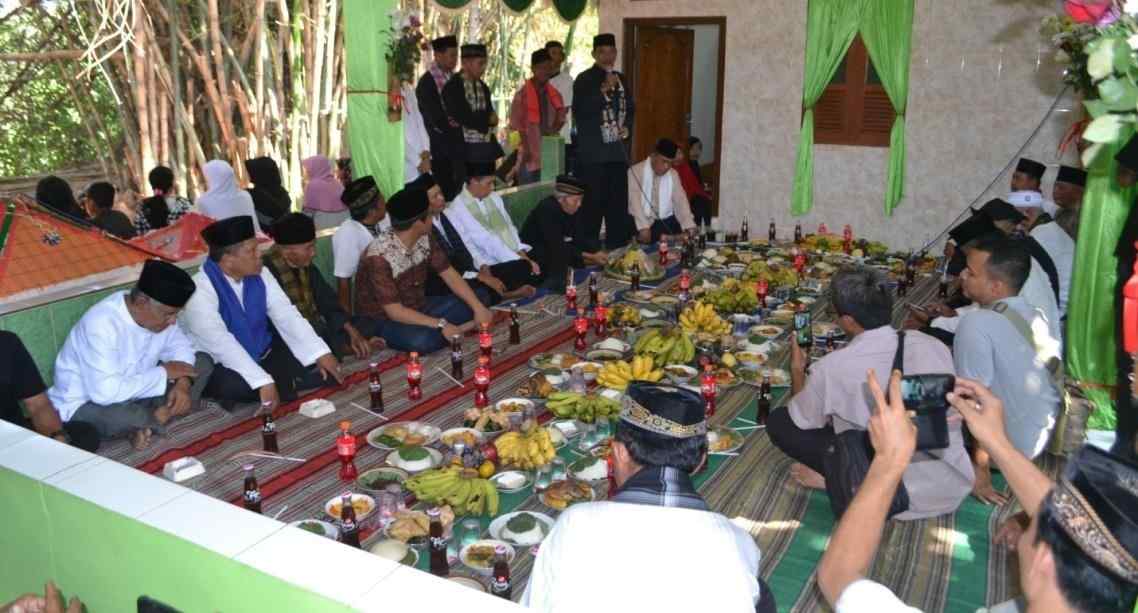
In Gumiwang Village, Kuningan Regency, West Java, the community implements a system of customary law known as Lembaga Adat Gumiwang.
This system focuses on conflict resolution through deliberation and consensus, without necessarily involving formal legal institutions.
One of the important elements in this tradition is the Ngajayakake ritual, which is a meeting of citizens to discuss and resolve social issues openly. This process emphasizes the importance of mutual respect, listening, and finding solutions together, so as to maintain harmony in community life.

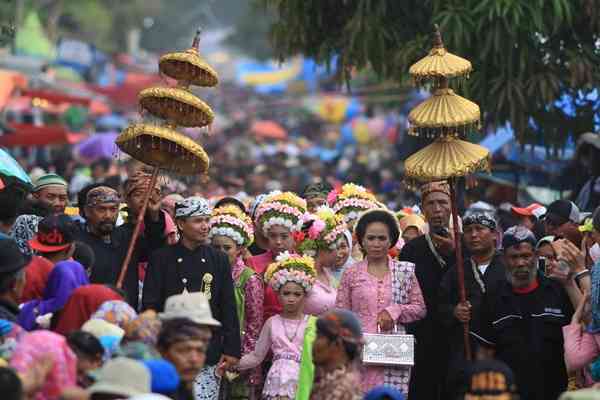
Ngarot ceremony is a typical tradition of the agrarian community in Lelea District, Indramayu Regency, West Java. This tradition is held as a form of gratitude to God for the abundant harvest, as well as a request for blessings for the next growing season.
The ngarot procession is usually carried out before the rice planting period, involving the youth and young people of the village. They wear brightly colored traditional clothing and bring produce such as rice, vegetables, and fruits to be offered at the shrine. The series of events was also enlivened by traditional music performances, regional dances, and a lively procession.
More than just a celebration, the Ngarot ceremony reflects respect for nature and reinforces the value of togetherness and cultural preservation among the younger generation.
Te Aro Naweak Lako is a philosophy of life that comes from the indigenous people in Papua, which literally means 'nature is part of us'. This value contains a deep meaning that the relationship between man and nature is unified and interdependent.
This philosophy is not only a hereditary teaching, but also reflected in the daily life of the Papuan people. In the practice of hunting, farming, and utilizing forest products, they always maintain the balance of nature with full awareness and responsibility.
For example, they only take in moderation and avoid overexploitation, as a form of respect for nature that they consider a relative.
Through Te Aro Naweak Lako, Papuans remind us that caring for nature is not only an obligation, but also a part of cultural identity that is passed down from generation to generation.
Well, buddy # konservasYIARI, it turns out that local wisdom stores so many incredible benefits, right? Not only as a cultural heritage that enriches the identity of the nation, local wisdom can also be a Relevant Life Guide in facing various challenges of modern times.
As the next generation, it is our responsibility to maintain and preserve these noble values. Do not let the advancement of technology and today's lifestyle make us forget or even ashamed of our own cultural roots. In fact, the more we recognize and appreciate local wisdom, the stronger the National Foundation that we build.
Many people are gathering at the event Salvation / source: Budayaanbetawi
Batutegi protected forest located in Lampung is one of the most vital forest areas on the island of Sumatra. This area is a natural habitat for a variety of flora and fauna, including endemic species found only in Indonesia.
However, the threat of increasingly massive forest encroachment has the potential to damage the ecological balance and disrupt the survival of species in it. If not treated immediately, this damage can have long-term impacts on environmental sustainability.
To overcome this problem, Batutegi Forest Management Unit (KPH) together with Yayasan Initiasi Alam Rehabilitasi Indonesia (YIARI) implemented a technology-based conservation approach. Joint teams in the field continue to carry out security and surveillance against potential destruction.
What is the strategy and implementation like? Check out the following description!
Batutegi protected forest spans an area of 58,174 hectares in Lampung Province, covering three districts: Tanggamus, West Lampung, and Central Lampung. In addition to functioning as a priority watershed, this area also stores high biodiversity which has outstanding ecological and conservation value.
Since 2008, YIARI has been actively conducting conservation activities in the area, with an initial focus on wildlife protection as well as habitat rehabilitation. Regular patrols and monitoring of animal populations are part of the protection effort.
The collaboration between YIARI and kph Batutegi was further strengthened as the threat of forest encroachment increased. In response to this, in 2025, YIARI continues the forest Security program with kph Batutegi as a form of long-term commitment in maintaining sustainable forest ecosystems.
With the support of modern technologies such as GPS-based monitoring systems, surveillance drones, and rapid reporting applications, teams in the field are able to respond more efficiently to potential threats. This strategy not only reduces the number of encroachments, but also strengthens the ecological function of forests as a buffer for life and sustainable biological resources.

Understanding the conditions and threats on the ground is a crucial first step in efforts to preserve forests. One of the main areas of concern is the Rindingan core block, a strategic conservation area in the Batutegi protected forest.
This area is not only an important habitat for a variety of rare species, but also provides vital ecosystem services to the surrounding environment.
Unfortunately, the Rindingan core block is facing heavy pressure due to ongoing illegal encroachment activities. Unlicensed land clearing, illegal logging, and hunting disrupt the natural balance and accelerate the destruction of ecosystems.
If left unchecked, the impact can be far-reaching: from disruption of water sources, to a decline in biodiversity, to the destruction of ecological systems that sustain the lives of local communities.
In response to these conditions, KPH Batutegi and YIARI continue to strengthen forest security efforts. One concrete form of this commitment is realized through joint patrols that are carried out periodically.
On January 22, 2025, a joint team consisting of Forest Police (Polhut) KPH Batutegi and yiari field staff conducted intensive patrols in the Rindingan core block.
The rugged terrain and limited access did not dampen the team's enthusiasm to reach areas prone to encroachment in order to conduct data collection and direct observation of forest conditions.

Patrol results show, some areas have been damaged due to illegal activities. The team found a number of evidence such as wild huts built clandestinely, traces of heavy vehicles, the remains of logged wood, as well as land that began to be cleared without official permission.
These findings confirm the practice of encroachment is still a real threat and urgent to be addressed immediately.
Surveillance and patrolling are therefore not only important as preventive measures, but also as a form of consistent law enforcement.
Concrete and sustainable measures are needed so that the preservation of the Batutegi protected forest, especially the Rindingan core block, can be maintained for future generations.
To respond effectively to the field findings, the patrol team conducted data collection on the affected areas while immediately taking measurable security measures. Armed with the support of advanced monitoring technology, the surveillance process is now carried out more systematically, accurately, and responsively.
One key technology being leveraged is Global Forest Watch—GFW)-a satellite imagery-based platform that enables real-time detection of forest cover changes.
With this system, encroachment activities can be monitored early on, so the team can directly direct patrols to vulnerable points.

To reach areas that are difficult to access, the team also operates drones that provide a thorough visual overview of the forest conditions from the air.
Meanwhile, the SMART Patrol application is used to record and analyze findings in the field. The Data collected through this application becomes an important basis in decision making, from determining patrol patterns to formulating follow-up strategies.
The use of technology not only accelerates the response to encroachment, but also allows for a more comprehensive evaluation of the effectiveness of forest safeguards. This data-driven approach is expected to reduce the risk of damage while supporting sustainable and adaptive long-term conservation planning.
The joint patrol carried out on January 22, 2025 is one of the important steps in continuing efforts to protect the Batutegi protected forest habitat.
This activity not only aims to stop the practice of encroachment, but also becomes an integral part of the grand strategy in preserving forest ecosystems.
However, habitat protection does not stop at patrols and enforcement alone. Once the points of encroachment have been identified, the next stage is the restoration of the affected ecosystem. Rehabilitation processes-such as replanting trees on open land—are becoming an important component in improving the structure of forests and restoring their ecological function.
Moreover, community involvement around forest areas is key in creating sustainable protection. Education and empowerment of local communities continue to be carried out so that they not only understand the importance of preserving forests, but also have alternative livelihoods that do not depend on illegal exploitation of forest resources.
Protecting Batutegi protected forest is not a momentary effort, but a long-term commitment to ensure the sustainability of the ecosystem and the lives that depend on it. These efforts cover a wide range of aspects—from routine patrols, to the implementation of monitoring technology, to the empowerment of local communities as the vanguard of preservation.
KPH Batutegi, YIARI, and other stakeholders continue to strengthen synergy and collaboration. This cross-sectoral collaboration is a strong foundation in preserving the ecosystem as a whole.
However, protecting the forest is not only the task of those on the front lines. This is a shared responsibility. Every individual has a role, no matter how small, to support forest conservation. Some simple steps that can be done include:
Every small step has a big meaning for the future of our forests. Do not let the practice of encroachment continue to damage such a precious natural heritage. Now is the time to move together—taking care of the forest means taking care of life itself!
Featured image: a blue illegal hut in the middle of the Batutegi protected forest encroachment site
Editor: Hasna Latifatunnisa
In agriculture, fertilizer plays an important role as the main support for plant growth and development. Without an adequate supply of nutrients from fertilizers, plants become vulnerable to pest and disease attacks.
This condition certainly has a direct impact on the quality of crops, both in terms of quantity and quality of fruit or vegetables produced.
In general, there are two types of fertilizers commonly used to fertilize plants, namely chemical fertilizers and organic fertilizers.
Among the two, organic fertilizers are increasingly recommended because they are more environmentally friendly and do not pollute the soil or water sources. One form of organic fertilizer that began to be widely used is liquid organic fertilizer (POC).
What is liquid organic fertilizer? Let's see a more detailed explanation of the following liquid organic fertilizer!
Liquid organic fertilizer (POC) is a liquid fertilizer made from natural ingredients through the process of fermentation or decay. Based on information from the scientific journal of Service and innovation, POC raw materials include organic waste such as plant residues, animal waste, and human waste containing various important nutrients.
POC contains two types of nutrients, namely:
In addition, POC also contains bioactive substances such as vitamins and enzymes produced by the activity of microorganisms during fermentation. These compounds support plant metabolism and increase resistance to environmental stress.
POC is more effectively applied directly to the leaves, stems, and flowers of plants. This is because plant tissues, in particular stomata (pores on the surface of leaves and stems), are able to absorb nutrients in liquid form quickly and efficiently.
POC is very beneficial especially in the initial growth phase of the plant and during the transition from the vegetative to the generative phase, in which the plant begins to flower or bear fruit. In addition to being a source of nutrients, POC also acts as a natural growth stimulant that helps accelerate the development of buds and flowers.

Liquid organic fertilizer (POC) has a number of properties that resemble solid organic fertilizers, despite their different physical forms. POC is liquid because it has gone through the process of fermentation or decomposition of organic matter naturally. The main characteristics of liquid organic fertilizers are:
As the name suggests, liquid organic fertilizer has a physical form in the form of a liquid. This form facilitates the process of absorption of nutrients by plants through leaves and roots.
Liquid organic fertilizer (POC) has a number of properties that resemble solid organic fertilizers, despite their different physical forms. POC is liquid because it has gone through the process of fermentation or decomposition of organic matter naturally. The main characteristics of liquid organic fertilizers are:
As the name suggests, liquid organic fertilizer has a physical form in the form of a liquid. This form facilitates the process of absorption of nutrients by plants through leaves and roots.
POC contains various important nutrients needed by plants, both macro nutrients such as nitrogen (N), phosphorus (P), and potassium (K), as well as micro nutrients such as iron (Fe), manganese (Mn), and zinc (Zn).
This complete nutrient content helps support optimal plant growth at all phases of life.
One of the main advantages of POC is its ease of application. This fertilizer can be sprayed directly onto plant parts such as leaves, stems, and flowers, or sprayed onto growing media such as soil or compost.
Thanks to the liquid form, POC is absorbed by plants faster than solid fertilizers. Nutrients can enter directly through the stomata on the leaves or through the roots, so that their effect on plant growth is felt faster.
POC can be made from various household and agricultural organic waste, such as vegetable scraps, fruit peels, animal waste, to kitchen waste. This makes POC a cost-effective fertilizer option while supporting sustainable organic waste management.
Because it comes from natural organic ingredients, liquid organic fertilizers are able to improve soil structure, increase organic matter content, and strengthen water binding in the soil.
This makes the soil looser and more fertile, thus supporting optimal plant root growth.
A well-fermented POC does not emit a fetid odor. On the contrary, this fertilizer has a characteristic and unobtrusive aroma of fermentation, so it is more convenient to use it, especially in domestic or urban environments.
In addition to serving as a source of nutrients, POC also contains live microorganisms such as bacteria and fungi. These microbes play a role in breaking down organic matter in the soil and suppressing the growth of pathogens that cause plant diseases naturally.
Quality POCs generally have a neutral to slightly acidic pH (around pH 6-7), which is ideal for most types of plants. In terms of appearance, this fertilizer is Brown to blackish brown, indicating an optimal fermentation process and nutrient-rich raw materials.
The regular use of POC has been proven to improve the quality of agricultural products. Plants produce fresher fruits and vegetables, more natural flavors, and better shelf life because they are obtained from balanced and natural nutrients.

In terms of use, liquid organic fertilizer (POC) offers higher convenience than solid organic fertilizer. The application is simply sprayed or watered, without the need for complex tillage processes.
However, POC is not ideal for being the main fertilizer in the long term, due to its nutritional properties, which are more easily washed out by rainwater or soil erosion.
Referring to the Journal of scientific and technological services (Polytechnic of Industrial Chemical Technology Medan), the following advantages and disadvantages of POC:
Low viability of microorganisms: microorganisms contained in POC have low viability, especially if storage is not carried out correctly.
Limited microorganism population: the number of microbes in the POC is often below 10 ° cfu/ml, which is low enough to significantly improve the soil in a short time.
Relatively low nutrient content: the main nutrients in POC generally come from added ingredients such as urea or NPK, rather than purely from organic fermentation.
Non-durable: POC has a short shelf life, usually less than one year, and is not suitable for long-term storage without special treatment.
Potential for contamination and odor: if not fermented optimally, POC is at risk of producing gases and pungent odors, and is susceptible to being contaminated with pathogens.
Not yet ideal for industrial scale: POC production is often still manual and not immediately ready for mass scale use without standardization.

Liquid organic fertilizer (POC) can be made independently by utilizing organic materials that are easily found around the environment.
The manufacturing process involves fermentation using effective microorganisms such as EM4, which contains Lactobacillus bacteria, Actinomycetes, Streptomyces, yeast, and photosynthetic bacteria. These microorganisms play an important role in accelerating the decomposition of organic matter into nutrients that are ready to be absorbed by plants.
Here's an example of a simple recipe for making POC:
The process of creating a POC cannot be done instantly. It takes at least two weeks of fermentation to produce fertilizer with good quality. The results of this POC can be used directly on plants, either sprayed on the leaves or sprinkled on the ground.
Liquid organic fertilizer is an environmentally friendly and economical solution to increase agricultural productivity. Both for household scale and wider agricultural land, POC offers ease of manufacture and use.
By taking advantage of the available organic waste, anyone can make their own fertilizer at home. Now, there is no reason to let plants grow without nutrients—even if only in the yard.
Featured image: Ilustrasi pupuk organik cair (pixabay.com/PollyDot)
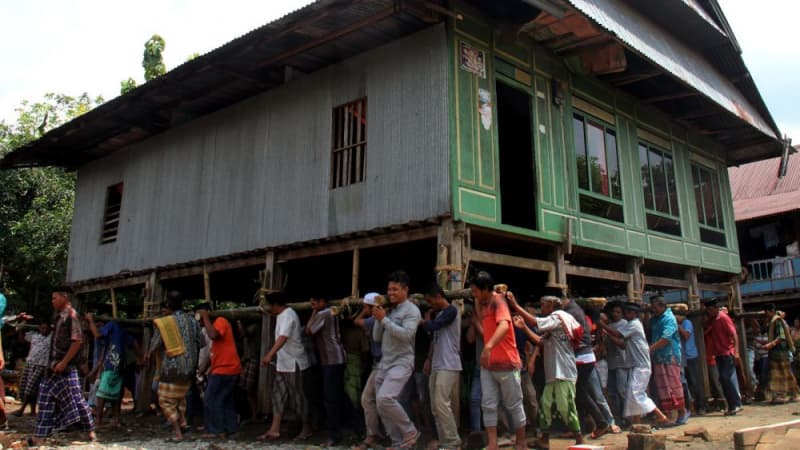
:strip_icc():format(jpeg)/kly-media-production/medias/1551394/original/007855000_1490846764-20170329-Muda-mudi-Rayakan-Tradisi-Omed-omedan-Setelah-Hari-Raya-Nyepi-AP-5.jpg)