Did you know that humans produce a huge amount of waste every year? Before we go any further, guess what-how much waste is generated around the world each year?
According to data from the World Bank, in 2020 alone, the world produced about 2.24 billion tons of solid waste. This amount is equivalent to the weight of about 6,000 Empire State Building! More worryingly, if there is no change in waste management, this number is expected to increase to 3.88 billion tons by 2050.
Waste itself consists of various types. Each type of waste has its own impact on the environment and human health. Therefore, it is important that we understand how to properly reduce, recycle and manage waste.
Let's explore more about each type of waste and how we can contribute to reducing its impact on the environment!
According to the Ministry of Environment and Forestry (MoEF), waste is the residual material produced from a production process, both industrial and domestic, whose presence is undesirable because it is considered to have no economic value and can pollute the environment.
Meanwhile, the World Health Organization (WHO) defines waste as something that is no longer used, then discarded, and has the potential to cause negative impacts on health and the environment if not managed properly.
In other words, waste is waste or waste that is not used. However, if not managed properly, it can be a threat to the environment and human health. Although many wastes are considered worthless, there are actually various types of waste that can still be recycled and reused for other purposes.
Waste has various characteristics that determine its impact on the environment and the way it is managed.
By understanding the properties of waste, we can be wiser in managing and reducing its impact on the environment. Let's look at some types of waste in general the following.
Waste has various characteristics that determine its impact on the environment as well as how it is managed. By understanding the properties of waste, we can be wiser in managing and reducing its impact.
Here are some types of waste by Category:

Solid waste is waste in the form of solid or semi-solid objects that are not easily decomposed naturally. Examples include plastic waste, paper, metal, glass, as well as construction waste.
According to the Ministry of Environment and Forestry (MoEF), Indonesia produced about 68.5 million tons of waste in 2022, with 18.5% of it in the form of plastic. Meanwhile, data from the World Bank says about 33% of global waste is solid waste, and most of it is generated from urban areas.
If not managed properly, solid waste becomes a big problem, especially if it accumulates in landfills (TPA). One vivid example of the impact of solid waste can be found in the Citarum River, West Java, which was once known as one of the most polluted rivers in the world due to the accumulation of plastic waste and industrial waste.
In response to these conditions, the government launched the 'Citarum Harum' program, an initiative to clean up and restore the river. Although it takes a long time, these efforts have shown progress in improving the condition of the Citarum River.

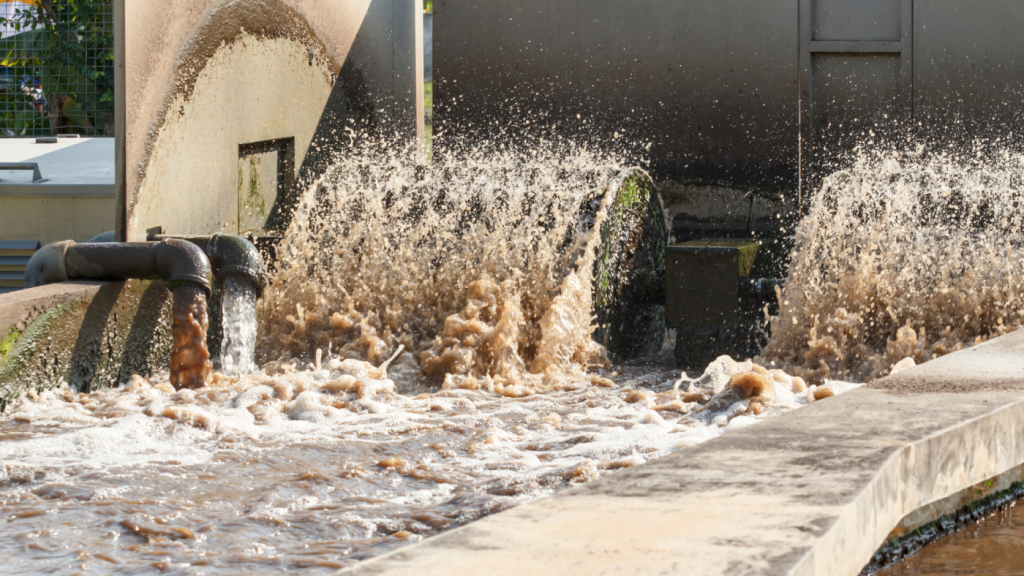
Liquid waste is one of the types of waste that we most often encounter in our daily lives. Examples include domestic wastewater such as used laundry water, soaps, and detergents, as well as industrial waste derived from manufacturing processes and factories.
According to data from the Ministry of Environment and Forestry (MoEF) in 2021, around 70% of industries in Indonesia dispose of liquid waste without going through an adequate treatment process. One of the real impacts of this is pollution in Jakarta Bay, where the discharge of household and industrial waste leads to increased levels of heavy metals that are harmful to the aquatic environment and marine ecosystems.
If not managed properly, wastewater can contaminate groundwater, rivers, and seas, ultimately impacting human health and ecosystem balance.

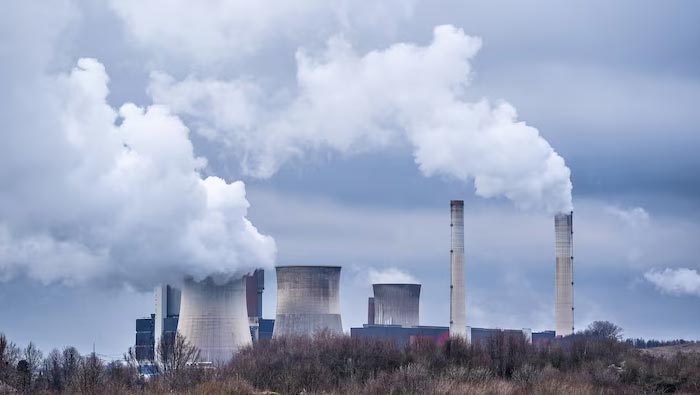
Gaseous waste is a type of waste that takes the form of gaseous substances or small particles in the air, which are often invisible but have a great impact on the environment and human health.
Examples include:
According to Tempo's 2022 report, DKI Jakarta recorded the largest contribution to greenhouse gas emissions in Indonesia, with the transportation sector as the main contributor. Air pollution due to this waste gas not only worsens air quality, but also has an impact on public health, such as increasing cases of respiratory diseases.
To reduce gas waste, measures such as switching to environmentally friendly transport, increasing urban greening and tightening regulation of industrial emissions are needed. By joint efforts, we can reduce the negative impact of waste gases on the environment and health.
Waste can be categorized by source, and there are at least seven types of waste according to the source. Here are some of them:
Domestic waste is waste that comes from household activities, such as food waste, kitchen waste, plastic, and wastewater from laundry.
According to the Ministry of Environment and Forestry (MoEF) in 2020, Indonesia produces around 67.8 million tons of domestic waste annually. This figure is very large, but it can be suppressed if the community is more active in sorting and recycling waste.
One example of a successful domestic waste management program is the' waste Bank ' in Surabaya. This Program encourages people to sort waste and Exchange it for money or groceries. Thanks to this program, Surabaya has managed to reduce waste deposits by 30% in recent years.
Industrial waste is waste resulting from the production process in a factory or manufacturing plant. Its types are very diverse, include:
In fact, the textile industry sector in Indonesia produces about 2.3 million tons of waste annually, and most of it has not gone through a proper treatment process. Industrial waste generally contains hazardous and toxic materials (B3), so it requires special handling so as not to pollute the environment.
In order to reduce the negative impact of industrial waste, enterprises need to implement more environmentally friendly waste treatment systems, such as recycling of production waste and the use of environmentally friendly technologies in the manufacturing process.

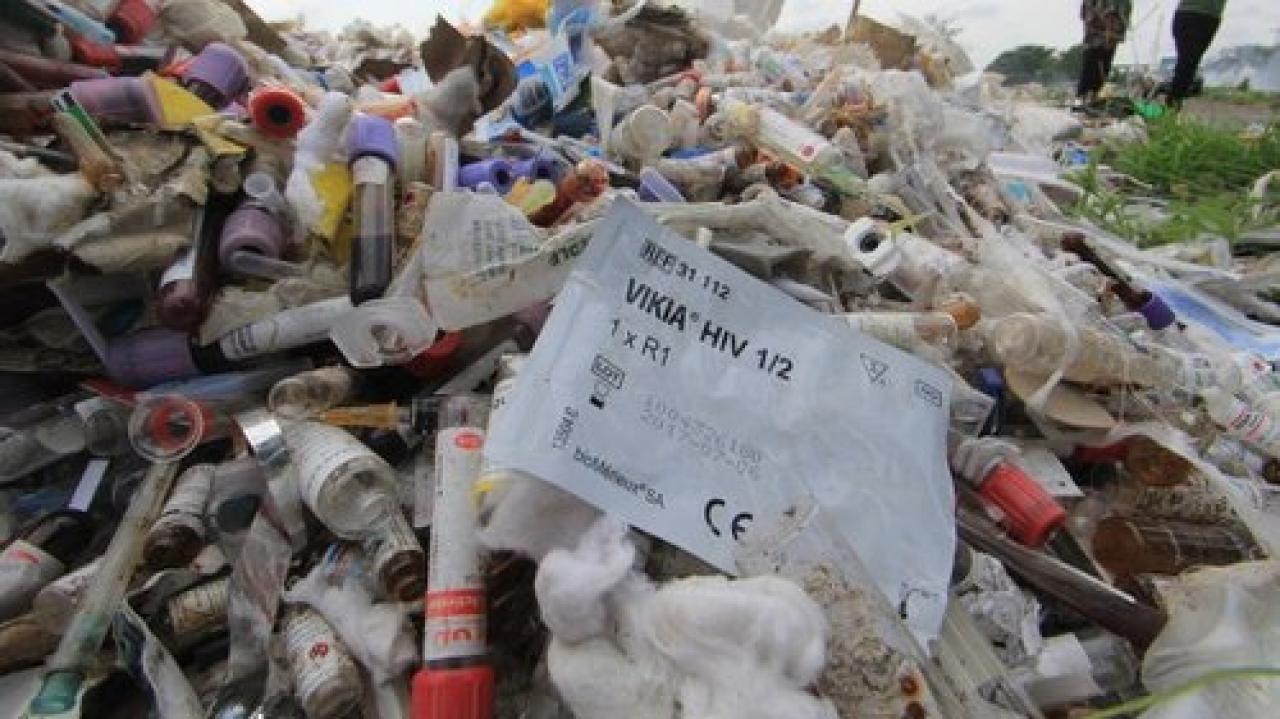
Medical waste or infectious waste is waste generated from health facilities, such as hospitals, clinics, laboratories and pharmacies. Examples include used syringes, used bandages, disposable gloves, as well as expired medicines. This waste belongs to the category of hazardous and toxic materials (B3) because it can transmit diseases and pollute the environment if it is not properly managed.
During the COVID-19 pandemic, the amount of medical waste in Indonesia increased drastically. The Ministry of Environment and Forestry (MoEF) noted that medical waste increased by 500% compared to the previous year. Disposable masks, personal protective equipment (PPE), and other disposable medical equipment are the main contributors to this increase in waste.
To deal with this problem, some hospitals in Jakarta are starting to use incinerator technology, which is a special combustion method to destroy medical waste with high temperatures, so as to reduce the risk of environmental pollution.
Agricultural waste comes from agricultural and plantation activities, including crop residues, straw, rice husks, fertilizers, and pesticides. If not managed properly, these wastes can cause soil and water pollution, as well as contribute to changes in ecosystems.
According to a report from the Food and Agriculture Organization (FAO), about 20-30% of global agricultural crops end up as waste. This figure shows that there are still many potential agricultural products that can be utilized, both as animal feed, organic fertilizer, and bioenergy raw materials.
Electronic waste or e-waste consists of electronic items that are not used, such as broken cell phones, used laptops, televisions, batteries, and other electrical devices. This waste contains hazardous materials such as mercury, lead, and cadmium, which can pollute the environment and harm human health if disposed of carelessly.
However, e-waste also has a high economic value because it contains precious metals such as gold, silver, and copper that can be recycled.
In Bali, there is a community called 'E-Waste RJ' which takes the initiative to collect electronic waste from the community, then process it into valuable items. In addition, they also educate the public about the dangers of disposing of e-waste carelessly. This step should be appreciated and can be an inspiration for other regions in managing electronic waste more responsibly.
Construction waste is generated from building and renovation projects, such as leftover concrete, wood, iron, brick, and glass. These wastes usually accumulate in large quantities and are difficult to decompose naturally, thus contributing to environmental pollution and the crisis of landfills.
To overcome this problem, the construction industry began to implement the concept of recycling building materials, such as reprocessing used concrete and wood for other projects, and using environmentally friendly building materials that are easier to decompose.
Marine waste is waste that ends up in ocean waters, especially plastic waste, used fishing nets and industrial waste that pollute marine ecosystems.
According to data from Jambeck Research Group in 2015, Indonesia is the second largest contributor of plastic waste to the sea in the world after China, with about 620 thousand tons of plastic waste per year. Plastic waste that pollutes the ocean can harm marine life, such as fish, turtles, and seabirds that accidentally eat plastic or get entangled in garbage.
To address this problem, the government and various environmental organizations continue to campaign for the reduction of the use of single-use plastics, beach cleaning, and Waste Management based on a circular economy.
Waste can also be categorized based on its nature, namely whether the waste is easily decomposed, difficult to decompose, or harmful to the environment and human health. Here are three main types of waste by their nature:
Organic waste is waste that can be decomposed naturally by microorganisms in a relatively short time. For example, food waste (vegetables, fruits, eggshells), dried leaves and twigs, and agricultural waste (straw, bagasse).
One of the best solutions in dealing with organic waste is to compost. The composting process allows organic waste to be reprocessed into natural fertilizers that can be used to fertilize the soil and reduce environmental pollution.
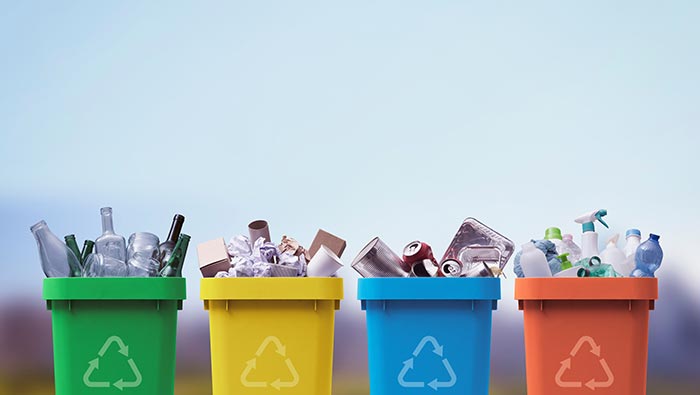
Inorganic waste is waste that is difficult to decompose naturally and takes tens to hundreds of years to decompose in the environment. Examples include plastic (bottles, plastic bags, styrofoam), glass (glass bottles, broken windows), metal (cans, aluminum, scrap metal).
In fact, single-use plastics take up to 450 years to decompose in nature. Therefore, it is important for us to reduce the use of plastic as well as support the 'green living' movement, such as using cloth shopping bags instead of plastic bags, recycling plastic bottles and packaging, reusing inorganic items so that they do not become waste.
B3 waste (hazardous and Toxic Materials) is a type of waste that contains toxic, corrosive or flammable substances, which can harm human health and pollute the environment.
Examples include used batteries (containing mercury and lead), pesticides (containing chemicals toxic to soil and water), medical waste (used syringes, expired drugs), and chemical industry waste (asbestos, organic solvents)
B3 waste requires special handling so as not to pollute the environment. For example, used batteries should be collected and recycled in B3 waste treatment facilities, not thrown away carelessly.
Waste can also be categorized based on the level of danger, namely whether the waste is relatively safe or has the potential to damage the environment and human health. Here are the two main types of waste based on their hazard level:
Non-B3 waste is waste that does not contain toxic or harmful substances, so it is relatively safer for the environment. These wastes can generally be decomposed naturally or recycled without causing significant impacts. For example, Sisa food, waste paper, dry leaves and twigs.
Although non-B3 waste is not harmful, improper management can still lead to accumulation of waste in landfills,so it is important to apply the principles of reduce, Reuse , and recycle .
B3 waste (hazardous and toxic materials) contains chemicals or materials that have the potential to damage the environment and endanger human health. Examples:
B3 waste must be managed with special procedures, such as treatment in hazardous waste facilities, incineration, or recycling in appropriate places, so as not to pollute the environment.
Well, buddy # KonservasYIARI, those are the different types of waste that are around us. Each type of waste has its own challenges and solutions in its management.
Waste is indeed one of the great challenges for the environment, but with proper management, its impact can be significantly reduced. Therefore, it is important for us to start from ourselves, by reducing waste production, sorting waste, and supporting recycling programs.
Let's, together keep the environment clean and sustainable for future generations!
References:
https://www.reelpaper.com/blogs/reel-talk/types-of-waste
Featured image: types of waste / Mutu International
Have you ever imagined having your own garden?
Perhaps what comes to mind is a beautiful flower garden, a lush vegetable garden, or an orchard full of crops. No wonder, because the three types of plants have a myriad of benefits, both for personal consumption and high economic value if sold.
In the world of agribusiness, one type of plant that is of high economic value is seed plants (Spermatophytes). Because seed plants can be used as food, medicine, clothing, ornamental plants, and industrial raw materials.
Interestingly, seed plants are not only limited to fruits that produce seeds, but also include ornamental plants, food-producing plants, and fiber-producing plants for the clothing industry.
Want to know more about seed plants? Come on, check out the definition, characteristics, classification, benefits, and reproductive system below!
Seed plants or Spermatophytes are a group of plants that have organs in the form of seeds as a means of reproduction. The term Spermatophyta comes from the Greek, namely sperm which means 'seed' and phyton which means 'plant.'
Seeds act as the main structure in the reproduction of seed plants. This seed is formed from the development of the embryo that is inside the ovule after the fertilization process takes place.

Seed plants have a very wide diversity and are not limited to fruit-bearing plants alone. Citing data from Harvard University BioNumbers, there are about 352,000 species of seed plants in the world, with the majority coming from the group of angiosperms or flowering plants.
In Indonesia, seed plants play an important role in various sectors, ranging from food, clothing, medicine, decoration, to industry. Based on a report from the National Research and Innovation Agency (BRIN), there are about 40,000 species of seed plants that grow in Indonesia.
Interestingly, this figure covers about 9 percent of the total species of seed plants in the world, making Indonesia one of the countries with the highest biodiversity. Some examples of typical Indonesian seed plants include:
Seed plants (Spermatophytes) have a more complex structure compared to other plant groups such as mosses (bryophytes) and ferns (Pteridophytes). Its body part consists of clearly distinguishable roots, stems and leaves.
However, because seed plants are of various types, many people are still often mistaken in distinguishing them from other plant groups. To understand more deeply, here are the general characteristics of seed plants:
From the above characteristics, it follows that seeds are the main characteristic that distinguishes seed plants from mosses and ferns. In addition, another advantage of this plant is that it has a more complex network of vessels, which are the xylem and phloem.
The presence of this network of vessels allows seed plants to grow larger and stronger than plants that do not have a network of vessels, such as mosses.
Seed plants (Spermatophytes) are divided into two large groups, namely gymnosperms (open seed plants) and angiosperms (closed seed plants).

Gymnosperms are a group of seed plants whose ovules are not protected by fruit leaves or pericarp. Therefore, it is referred to as an open-seeded Plant. The word gymnosperm itself comes from the Greek, namely gymnos which means 'naked' or 'open.'
Characteristics of gymnosperms:

Angiosperms are a group of seed plants that have flowers as a means of generative reproduction. In contrast to gymnosperms, the ovules in angiosperms are protected by the ovules, which later develop into true fruits.
Characteristics of angiosperms:
Seed plants (Spermatophytes) have a high economic value and provide various benefits to humans. This type of plant is used in many sectors, such as food, medicine, decoration, clothing, industrial materials, to environmental preservation.
Seed plants are the main source of food for humans, both as staple foods, vegetables, and fruits. Some crops such as rice, corn, wheat, and sago are staple foods for most of the world's population.
In addition, various vegetables such as tomatoes, cabbage, potatoes, carrots, kale and spinach are rich in vitamins, proteins and fiber that are beneficial to health. Some grains such as jackfruit seeds, basil seeds, and pine seeds can also be consumed or processed into food.
Meanwhile, fruits such as mango, apple, guava, passion fruit, watermelon, Sapodilla and Cherry are not only delicious but also rich in antioxidants and nutrients that are good for the body.
Many seed plants contain active compounds that are useful in medicine. One of them is cloves, which are known to relieve pain, reduce inflammation, and have antibacterial properties.
Coriander is often used to help launch the digestive system and maintain heart health. In addition, ginkgo has long been used in traditional medicine to improve the cognitive function of the brain and relieve migraines and other headaches.
In addition to being useful as food and medicine, seed plants are also often used as decorations and ornamental plants to beautify rooms, parks, and landscapes.
Several types of plants such as Hajj Ferns, cypresses, and cacti are often used to decorate homes and gardens because of their unique and aesthetic shapes. In addition, flowers such as roses, hibiscus, daisies, and sunflowers are also very popular as ornamental plants because of the beauty of their attractive colors and shapes.
The textile industry also relies heavily on seed plants as raw materials for the manufacture of fabrics and clothing. Cotton is the main material in the manufacture of cotton fabrics used in the clothing industry around the world. In addition, the fibers from the hemp plant are also widely used in the production of high-quality fabrics that are strong and durable.
Seed plants are also utilized in a variety of industries, from the cosmetics industry to papermaking. Wood from various types of seed trees, such as pine and Acacia, is often used as a raw material for papermaking.
In addition, plant oils and fats such as palm and Olive are widely used in the cosmetic, pharmaceutical and food industries. The sap produced by some types of trees such as rubber is used as a raw material in the rubber industry that produces various products such as tires, gloves, and medical equipment.
Wood from seed plants also plays an important role in the construction industry and furniture making. Teak wood is known as a very strong and durable material, so it is often used for the manufacture of furniture and buildings. In addition, mahogany wood is also often used in the manufacture of wooden floors, cabinets, and various high-quality furniture products.
In addition to providing economic benefits, seed plants also play an important role in maintaining ecosystem balance and environmental sustainability. Plant roots help prevent soil erosion and reduce the risk of flooding and landslides.
In addition, seed plants also function as carbon dioxide absorbers (CO₂) and produce oxygen (O₂) through the photosynthesis process, thus contributing to reducing global warming. The presence of seed plants also helps maintain biodiversity by providing habitat for various species of animals and microorganisms.
Seed plants can reproduce in two ways, namely generatively (sexually) and vegetatively (asexually). Both of these methods allow seed plants to multiply and maintain their viability in a variety of environments.

Generative reproduction in seed plants occurs through the flower, which serves as the main reproductive organ. This process begins with the formation of male cells (pollen grains) and female cells (stigma).
The process of generative breeding involves two main stages:
Plants that reproduce generatively produce seeds that can later grow into new plants. Examples of seed plants that reproduce generatively include rice, corn, guava, cucumber, bark, mango, tomato, and papaya.
Vegetative reproduction occurs without going through the process of pollination and fertilization. This reproduction is carried out by vegetative organs such as shoots, rhizomes (rhizome roots), or stolons (creeping stems).
Some examples of natural vegetative reproduction mechanisms in seed plants include:
Plants that reproduce vegetatively can grow faster than plants that reproduce generatively because they do not require the process of pollination and fertilization. Examples of seed plants that reproduce vegetatively include bananas, bamboo, breadfruit, potatoes, and duck cocor.
Seed plants play an important role in human life and ecosystems. With a wide variety of species and benefits, this plant is not only a source of food, medicine, clothing, and industry, but also contributes to maintaining environmental balance.
In addition, the reproductive system of seed plants, which includes both generative and vegetative reproduction, allows them to constantly develop and adapt to various natural conditions. Understanding the characteristics and benefits of seed plants can help us manage natural resources more wisely, so that their existence is maintained for future generations.
Sources and references:
Have you ever stepped on the ground that feels soft, wet, even slightly swaying? If so, chances are you're in the thick of it!
This land is not just an ordinary wetland, but an ecosystem rich in organic matter and has a crucial role in maintaining environmental balance.
From storing huge amounts of carbon to being home to rare species, peatlands hold many interesting facts that are rarely known. However, behind its tremendous benefits, this ecosystem also faces serious threats due to human activities.
Let's take a closer look at what peatlands are, how they are formed, and why their preservation is so important to our lives!
According to Wetlands International, peatland is a type of wetland that has a watery soil layer and is composed of dead plant material that undergoes a slow decay process.
Meanwhile, Kamus Besar Bahasa Indonesia (KBBI) defines peatland as land formed from litter, wet plant residues, or rotting puddles and undergoes a very slow decomposition process.

Peatlands are formed through the accumulation of organic matter derived from decaying plant remains over thousands of years. This process occurs in waterlogged environments, such as swamps, river basins and coastal areas.
Menurut buku Creating and Restoring Wetlands (Second Edition) karya Christopher Craft (2022), lahan gambut dapat terbentuk dari berbagai jenis vegetasi, termasuk lumut gambut (Sphagnum), tumbuhan herba, serta vegetasi berkayu.
Because it is formed in an oxygen-poor environment (anaerobic), the organic matter in peat does not decompose completely. The decomposition process, which proceeds very slowly, leads to the accumulation of a large amount of organic matter, thereby forming a thick layer of peat.
Peatlands are classified into several types based on location, formation environment, maturity, fertility, and depth.
Coastal peat forms around coastal areas and is affected by sea tides. This type of peat gets additional minerals from sea water, so it has unique characteristics compared to other types of peat. The dominant vegetation in this area is mangrove forest.
Inland peat is formed far from the coastline and is affected only by rainwater. Unlike coastal peat, this type does not receive mineral enrichment from the sea. Vegetation growing on inland peatlands is dominated by broadleaf Woodlands.
As the name implies, transitional peat is formed between the coastal and inland areas. This type has characteristics that are a combination of coastal peat and inland peat, both in terms of soil composition and vegetation growing on it.

Topogenous peat is formed in areas of basins or lakes that are directly above mineral soils. The process of its formation is influenced by river water runoff and sea tides.
In contrast to topogenous peat, ombrogen peat is formed mainly due to precipitation without significant influence from river or sea water. This type of peat is commonly found in regions not far from the coast.
Sapric peat is the most mature type of peat. The organic matter in it has undergone complete weathering so that its origin is difficult to identify. The color of this peat varies from dark brown, gray, to black. In texture, sapric peat is smoother than other types of peat.
Fibric peat is peat that is still young and has not undergone complete weathering. The original material can still be easily identified. The structure of fibrous peat is dominated by coarse fibers with a brown tint.
Hemic peat is a type of semi-mature peat, where some of the organic material has been weathered but there are still parts that can be recognized. The texture is somewhere between Fine sapric peat and coarse fibrous peat. The color of hemic peat is generally Brown.
This type of peat has a high fertility rate because it is rich in minerals, bases and nutrients. Eutrophic peat is often found in areas that receive mineral supplies from river water or sea tides.
Mesotrophic Peat has a moderate fertility rate, with a mineral and alkaline content that is not very high but still sufficient to support vegetation growth.
Oligotrophic peat is the least fertile type of peat because it is poor in minerals and nutrients. This type is generally found in areas that only get water supply from rainfall, without additional minerals from other sources.
Peatland that has a thickness of between 50-100 cm. This type can generally still be used for agriculture with certain management techniques.
Peatland with a thickness of between 100-200 cm. This type of peat begins to contain thicker organic matter and requires special treatment if it is to be used for agricultural or plantation activities.
Peatland that has a thickness of between 200-300 cm. This type stores more carbon and tends to be more susceptible to degradation if dried or used unsustainably.
Peatland with a thickness of more than 300 cm. This type has a very high organic matter content and plays an important role in global carbon storage. Very deep peat should still be preserved to maintain ecosystem balance.
Peatlands have unique characteristics from other lands. The characteristics of peatlands are as follows.

Peatlands have an important role in maintaining the balance of ecosystems and human life. Here are some of the main functions of peatlands:
Peatlands serve as the world's largest absorber and store of carbon. A thick layer of peat contains organic matter that has not yet been completely decomposed, so it is capable of storing large amounts of carbon. If peatlands are damaged or burned, the stored carbon will be released into the atmosphere in the form of greenhouse gases such as carbon dioxide (CO₂) and methane (chī), which can accelerate climate change.
Peatlands act as natural sponges that absorb and store large amounts of water. Its ability to regulate water helps reduce the risk of flooding during the rainy season and maintain the availability of water during the dry season.
Peatlands are home to a wide variety of flora and fauna, including rare and endemic species such as orangutans, Sumatran tigers, and hornbills. In addition, peat ecosystems also support the growth of various types of typical plants, such as ramin (Gonystylus bancanus) and jelutung (Dyera costulata).
For people living around peatlands, this ecosystem is a source of livelihood, both through non-timber forest products (such as rattan and forest honey) and environmentally friendly fishing and farming activities.
Peatlands have the ability to filter water naturally by retaining pollutant particles and maintaining groundwater quality. This helps to keep water sources clean for ecosystems and humans.
In coastal areas, peatlands serve as natural fortifications that help prevent seawater from entering the mainland. This is important to maintain the balance of freshwater ecosystems and prevent agricultural land degradation due to salinization.
Peatlands have a very important role in maintaining ecosystem balance, storing carbon, regulating the water cycle, and being a habitat for various flora and fauna. In addition, peatlands also support the lives of surrounding communities by providing natural resources of economic value.
However, threats to peatlands, such as land conversion, fires, and unsustainable draining, can lead to serious environmental impacts, including increased greenhouse gas emissions and loss of biodiversity. Therefore, the preservation and wise management of peatlands is needed so that the benefits can continue to be felt by future generations.
By understanding the function and importance of peatlands, it is expected that awareness of efforts to preserve this ecosystem will increase, both at the individual, community, and government levels.
Sources and references:
Have you ever wondered what a world would be like without a healthy ocean? The sea is not only a beautiful expanse of blue water, but also a source of life for billions of people, from small fishermen to large industries that depend on the wealth of the sea.
However, overexploitation and pollution have threatened our marine ecosystems. If left unchecked, not only the environment will suffer, but also the global economy and food security.
This is where the blue economy comes in as a solution. The concept offers a smart way to make sustainable use of marine resources, ensuring future generations can still enjoy the benefits.
How does the blue economy actually work? And what are some examples of its application in Indonesia? Let's dive deeper!
Konsep ekonomi biru pertama kali diperkenalkan oleh Gunter Pauli dalam bukunya The Blue Economy: 10 Years, 100 Innovations, 100 Million Jobs. Pauli defined the blue economy as an economic model inspired by nature, in which resources are used efficiently, waste is minimized, and ecosystem balance is maintained.
Different from traditional economic approaches that often focus solely on financial gain, the blue economy ensures that human activities do not harm the environment, especially marine ecosystems.
According to the World Wide Fund for Nature (WWF), the blue economy is an approach that aims to make sustainable use of marine resources, while maintaining the health of their ecosystems. This means that sectors such as fisheries, marine tourism and renewable energies must be run in an environmentally friendly way so that they can be enjoyed by future generations.
In other words, the blue economy is the way humans make use of the ocean's wealth without damaging it. It is like, we 'borrow' resources from nature, and then return them in the same or even better condition. Thus, it is not simply 'take, use, consume', but 'take, Use, keep, and preserve'.
As mentioned earlier, the concept of the Blue Economy was first conceived by Gunter Pauli in 2010. Pauli proposed an economic model inspired by nature, in which resources are utilized efficiently and sustainably without harming the environment.
Over time, this concept evolved and began to be adopted by various countries, including Indonesia, as a solution to manage marine resources responsibly.
The main principle of the blue economy is to make optimal use of marine resources, but still maintain the balance of the ecosystem. It covers various sectors, such as:
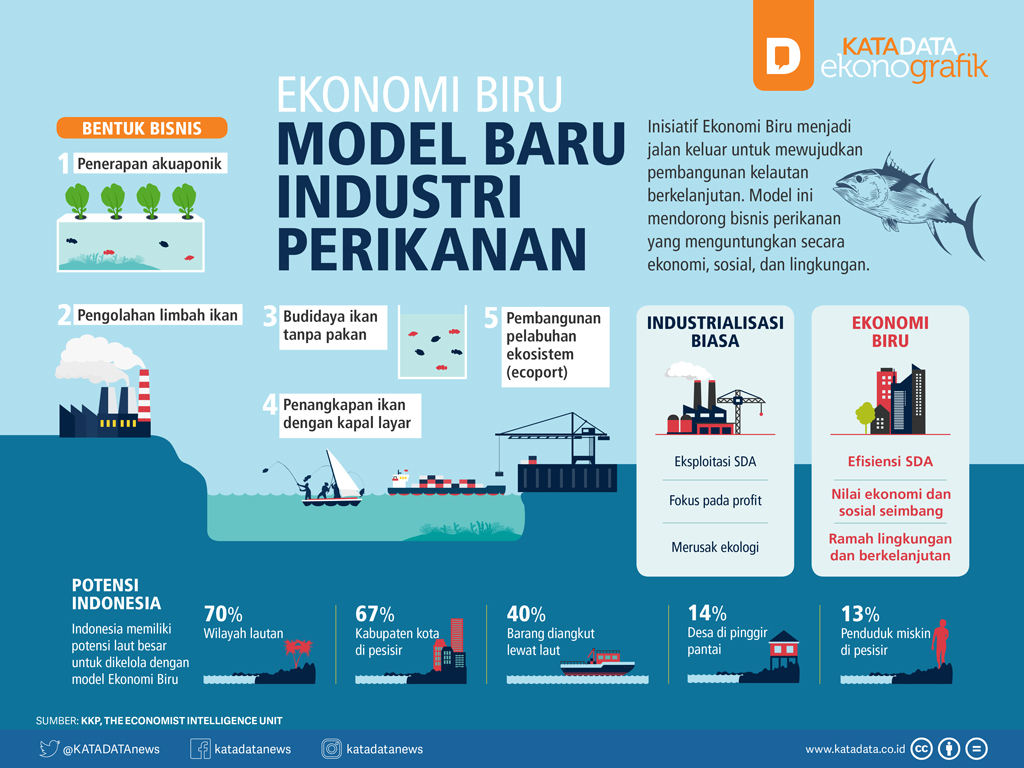
With the above principles, the overall artinua of marine activities must be carried out in an environmentally friendly manner. For example, as seen in the following infographic.

In practice, the blue economy puts forward an eco-friendly and inclusive approach, so that all activities related to the sea must be carried out responsibly in order to maintain the balance of the ecosystem.
For example, the blue economy-based fishing industry model not only focuses on fishing, but also ensures the sustainability of fish stocks for future generations.
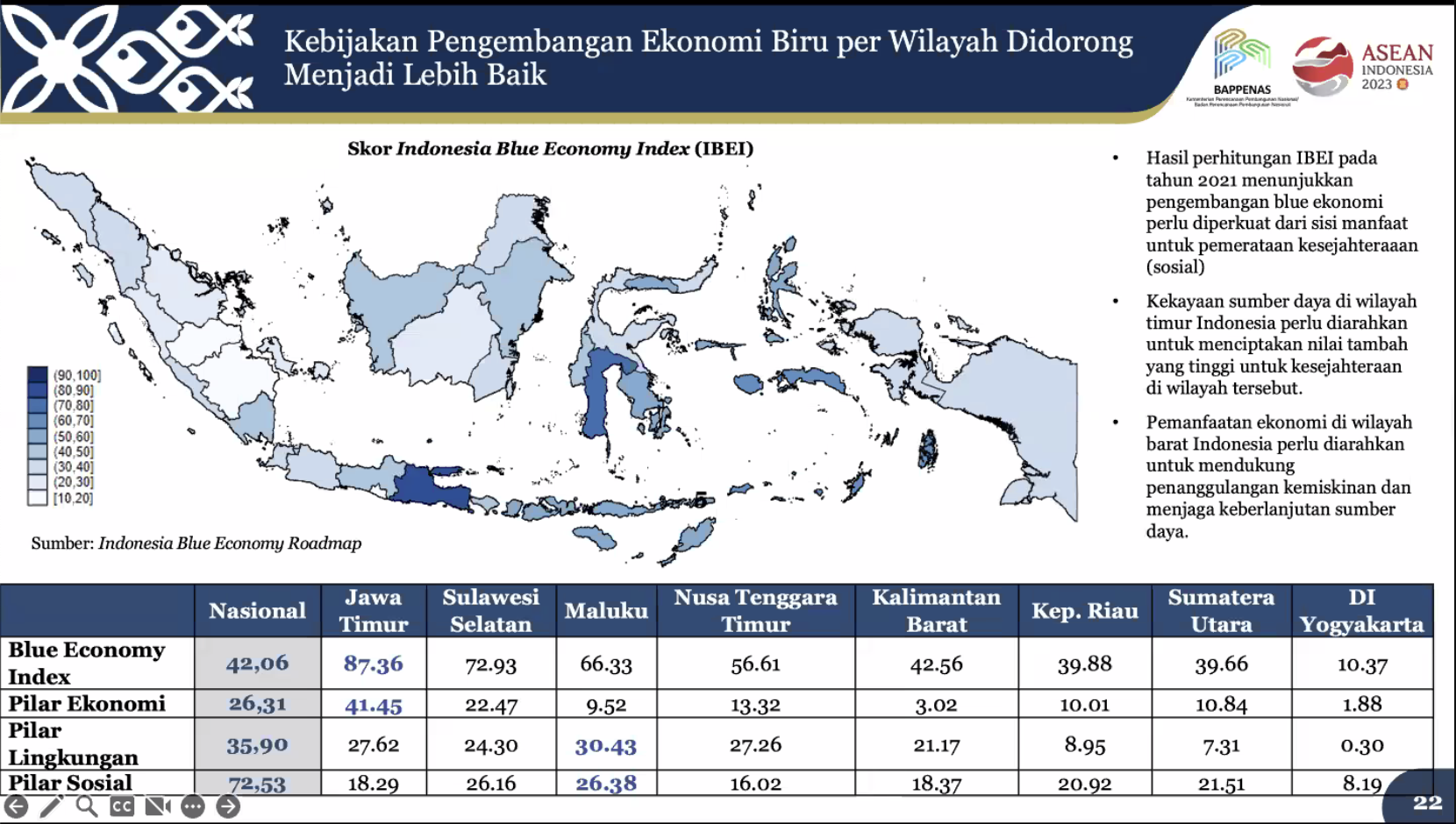
The government has even compiled a blue economy roadmap as a guide to implementing this concept, as you can see in the following image.

This roadmap covers various strategic sectors, such as fisheries, tourism, to renewable energy. The main goal is to make Indonesia a sustainable world maritime axis until 2045.
There are several reasons why we should understand and manifest the blue economy for the sustainability of our oceans. Among them are the following.
In addition to being a tourist destination, the sea is also home to thousands of species of living things. By implementing a blue economy strategy, we can ensure economic activity does not damage marine ecosystems.
The blue economy emphasizes the sustainable management of marine resources, thus helping to preserve biodiversity as well as the health of marine ecosystems for future generations.
Marine pollution, especially plastic waste, poses a serious threat to marine life. The blue economy encourages more environmentally friendly business practices, such as reducing the use of single-use plastics, implementing recycling and waste management systems, and developing environmentally friendly innovations in the marine industry.
With this approach, we can reduce pollution and maintain the quality of the marine environment.
Marine ecosystems, such as mangrove forests and seagrass beds, play an important role in absorbing carbon emissions and mitigating the effects of climate change.
Through the blue economy, the preservation of these ecosystems can be optimized so that the ocean remains an effective natural carbon sink. In addition, sustainable ocean-based economic practices can also reduce the carbon footprint of human activities.
The sea has enormous economic potential. According to the report of the Ministry of Marine Affairs and Fisheries (2017), the Marine and fisheries sector contributes about 7% to Indonesia'S GDP. In addition, the market value of marine resources and related industries is estimated at USD 3 trillion per year globally.
By applying the principles of the blue economy, the utilization of this potential can be done wisely and sustainably, thus providing long-term economic benefits without damaging the environment.
In addition to benefiting the environment, the blue economy also opens up new job opportunities. The global marine fisheries sector provides about 57 million jobs, and this number continues to grow with the development of marine-based industries, such as seaweed farming, renewable energy from the sea (waves, wind, and tides), and ecotourism and marine tourism.
With proper management, the blue economy can create more jobs and improve the well-being of coastal communities.
The ocean is a source of animal protein for about 3 billion people worldwide. By implementing the Blue Economy Strategy, we can ensure that the stock of marine resources is maintained, so as to meet global food needs in a sustainable manner.

As the largest archipelagic country in the world, Indonesia has implemented a blue economy in various sectors to maintain the balance of marine ecosystems while improving the welfare of coastal communities. Here are some examples of blue economy implementation in Indonesia:
Seaweed is not only a raw material for food and cosmetics, but also a source of livelihood for many fishermen in East Nusa Tenggara (NTT).
Through an environmentally friendly cultivation system, seaweed farmers can increase their income without damaging the marine ecosystem. In fact, according to Binus data (2023), Indonesia is now one of the largest seaweed producers in the world.
Kepulauan Seribu in DKI Jakarta is one of the successful examples of the implementation of the blue economy through marine ecotourism. By preserving the marine environment and developing nature-based tourism, this area has managed to attract tourists while improving the local economy.
Activities such as snorkeling and diving in the waters that are still preserved in beauty become the main attraction for tourists. In addition, conservation education is also applied so that tourists can understand the importance of maintaining marine ecosystems.
Indonesia has great potential in the development of renewable energy from the Sea, one of which is through Marine current power plants (PLTAL).
In the Lombok Strait, a pilot project to harness ocean currents as a source of clean energy has been launched. According to Neliti research (2016), this project aims to reduce dependence on fossil fuels and support a green energy transition that is more environmentally friendly.
By utilizing stable and inexhaustible ocean currents, Indonesia can produce energy sustainably without causing high carbon emissions. In addition, the use of Ocean Energy is also in line with global efforts to combat climate change and reduce the negative impacts of global warming.
Mangrove Botanical Garden in Surabaya is one example of the success of coastal ecosystem conservation that combines aspects of Environmental Conservation, Education, and tourism. Mangroves play an important role in resisting coastal abrasion, providing habitat for a variety of marine species and birds, and sequestering carbon to mitigate the effects of climate change.
Through mangrove conservation, coastal ecosystems can be maintained while providing economic benefits through the educational tourism sector. Many tourists and students come to learn about the importance of mangrove forests and how to maintain their sustainability.
In addition, the surrounding community also gets economic benefits with business opportunities in the ecotourism sector.
In Southeast Sulawesi, the implementation of the blue economy in the fisheries sector has had a positive impact on smallholders and the environment. Previously, many fishermen used destructive fishing methods, such as fish bombs or Tiger trawls, which led to a decline in fish populations as well as damage to coral reefs.
However, with the approach of the blue economy, fishermen are now starting to switch to more environmentally friendly fishing methods, such as using selective fishing gear and following local regulations regarding fishing seasons.
In addition to helping preserve marine ecosystems, this method also provides long-term benefits for fishermen, as it ensures the availability of fish for the future. In this way, fishermen can make wiser use of marine resources, improve their well-being and maintain the sustainability of the marine ecosystem in their region.
As a maritime country, Indonesia has a great responsibility in maintaining its seas. Support from the government, industry players, and the community is needed so that the concept of the blue economy can be applied widely and effectively. Every small step, such as reducing plastic waste, supporting sustainable fishery products, and participating in marine conservation, will have a big impact on the future of our planet.
Now is the time for us together to realize a greener and more sustainable future by applying the principles of the blue economy in our daily lives. By doing so, we not only safeguard the environment but also create new economic opportunities that are more inclusive and sustainable for all.
References:
https://pslh.ugm.ac.id/ekonomi-biru/
https://indonesia.go.id/kategori/editorial/7556/indonesia-siapkan-lima-jurus-mengelola-ekonomi-biru
https://www.oecd.org/en/topics/sub-issues/water-governance/blue-economy.html
Featured image: MonitorDay
Have you ever thought that every activity we do—from turning on the lights, using our cell phones, to enjoying a cup of coffee in the morning—leaves its mark on the Earth?
These traces are known as carbon footprints, and without us knowing it, their number continues to grow every day.
The more carbon emissions released into the atmosphere, the greater the impact on the environment, such as global warming, extreme climate change, and damage to ecosystems. But, how much do our activities actually affect the carbon footprint? And more importantly, what can we do to reduce it?
Let's take a deeper look at how carbon footprints form, what causes them, and the steps we can take to make real change!
Have you ever thought about the impact of daily activities on the environment? This concept is known as carbon footprint.
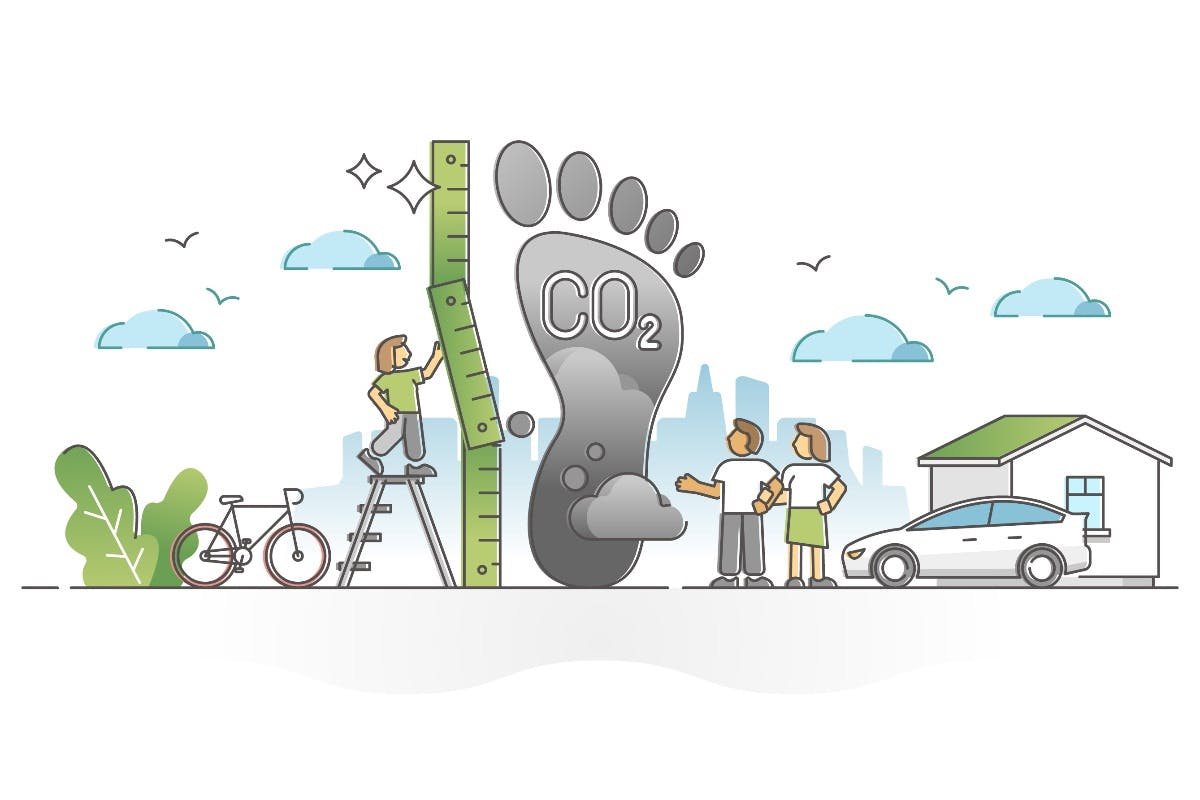
The carbon footprint is the total greenhouse gas emissions produced by human activities, either directly or indirectly. These gases include carbon dioxide (CO₂), methane (chī), and nitrous oxide (N₂O), all of which contribute to global warming and climate change. (Reel, 2024).
In other words, the Carbon Footprint refers to the amount of greenhouse gases released into the atmosphere as a result of various human activities, such as the use of motor vehicles, electricity consumption and the production process of goods.
The more activities that involve burning fossil fuels, the greater the resulting carbon footprint. Interestingly, each individual has a different carbon footprint, depending on their lifestyle, location, and type of activity.
Carbontrail calculates an individual's average carbon footprint as follows.

According to the Our World in Data 2024 report, the energy sector is the largest contributor to global carbon emissions, which is about 73% of total emissions. In it, electricity and heat production are the main contributors.
In addition, the transportation sector accounted for about 16%, while food production and distribution accounted for nearly 26%. That is, even the food we consume every day has its own carbon footprint!
Globally, the average carbon footprint per capita stands at around 4 tonnes of CO₂ per year. However, in developed countries such as the United States, this figure could reach 16 tonnes of CO₂ per person—four times higher than the global average.
Conversely, in developing countries such as Indonesia, the per capita carbon footprint rate tends to be lower. Despite this, large populations still contribute significantly to total national carbon emissions.
After understanding the concept of carbon footprint, it is important to realize almost all aspects of modern life contribute to carbon emissions. From large activities such as power plants to small habits, such as enjoying a cup of coffee in the morning, everything has an impact on the environment.
There are various factors that cause carbon footprints, but here are some of the main causes to consider:
Electricity that powers lights, fuels vehicles, to gas for cooking or heating water comes mostly from burning fossil fuels such as coal, petroleum, and natural gas.
This fossil energy is one of the main contributors to global carbon emissions. According to International Energy Agency (IEA) data for 2023, the energy sector accounts for 73% of total global greenhouse gas emissions.
How many vehicles are used every day? Cars, planes, ships and other vehicles are part of modern life, but they are also one of the main causes of carbon emissions.
According to the latest data, Land Transport accounts for 45% of the total emissions of the global transport sector, while aircraft account for about 12%.
Everything we buy, from clothes to Gadgets, has a huge carbon footprint.
Industrial production processes, especially in sectors such as steel and cement, generate significant carbon emissions. According to the World Resources Institute's 2024 report, the industrial sector is responsible for 6.5% of total global emissions.
According to the book 'carbon footprint: Global impacts and control efforts' by Mamik Suendarti (2024), carbon footprint mainly comes from human activities such as fossil fuel burning and deforestation.
Not only that, the food we eat also contributes to carbon emissions. Products such as beef and milk have a high carbon footprint due to livestock processes that produce methane gas.
Deforestation activities— the clearing of agricultural land by cutting down trees-also exacerbate the situation. Trees that were supposed to absorb carbon were instead cut down, increasing the amount of carbon in the atmosphere.
Here are the data we refer to from ZonaEBT in 2023:

The ever-increasing carbon footprint has a domino effect that threatens the sustainability of the planet. One of the biggest impacts of the carbon footprint is global warming.
When greenhouse gases such as carbon dioxide (CO₂) accumulate in the atmosphere, they act like a giant blanket trapping the Earth's heat. As a result, global temperatures are rising, causing various changes that upset the balance of ecosystems.
Here are some of the serious impacts of the carbon footprint on the Earth:
Extreme weather phenomena such as stronger storms, major floods, and prolonged droughts are a direct result of climate change triggered by carbon emissions.
Menurut laporan Intergovernmental Panel on Climate Change (IPCC) tahun 2021, suhu global telah meningkat rata-rata 1,1°C sejak era pra-industri, dan sebagian besar peningkatan ini disebabkan oleh aktivitas manusia.
Global warming is causing ice sheets in the North and South Poles to melt at an alarming rate.
As a result, sea levels rise, threatening small islands and coastal areas. If these conditions persist, coastal cities are at risk of sinking, forcing millions of people to evacuate.
Natural habitats such as forests and oceans are seriously disrupted by climate change. This accelerates the extinction of various animal and plant species.
Coral reefs, which are home to thousands of marine species, are now experiencing mass bleaching due to warming and ocean acidification. If not addressed immediately, damage to these ecosystems will have a major impact on the food chain and the balance of nature.
Now we already understand carbon footprints are everywhere, but did you know carbon footprints don't just have one type?
As it turns out, there are several types of carbon footprints that we can encounter in everyday life. Here are some examples:
Personal carbon footprint is the greenhouse gas emissions generated from daily activities, such as vehicle use, electricity consumption at home, to the food you choose.
For example, if you often travel in a private car, the carbon emissions from that vehicle will be part of your personal carbon footprint. The more you use fossil fuels, the greater your carbon footprint.

Every item we consume, from food to clothing and gadgets, has a carbon footprint that comes from its production process, distribution, to how it is disposed of.
For example, electronic products such as mobile phones and laptops have a fairly high carbon footprint due to their energy-intensive manufacturing and distribution processes. Reporting from Telkomsel (2024), using a laptop for 8 hours per day produces a carbon footprint of around 433 gCO₂e.
Not only individuals, organizations such as companies and government agencies also have a carbon footprint from their operations.
An organization's carbon footprint includes emissions from office energy use, employee transportation, and waste disposal. For example, Apple reports that they are successfully reducing their carbon footprint to carbon neutral by switching to renewable energy and reducing emissions in their supply chain.
Each country has a national carbon footprint, which is calculated based on the total greenhouse gas emissions from various sectors, such as energy, transportation, industry and agriculture.
For example, the United States is one of the largest emitters, with a national carbon footprint of more than 5.1 billion tons of CO₂ per year. Other countries such as China, India, and Russia also contribute large amounts of carbon emissions.
The digital services we use every day, such as video streaming, cloud computing, and shipping, also leave a carbon footprint.
Every time you watch a movie on a streaming platform, the data processed and stored on the server generates carbon emissions. According to the Shift Project (2019) Research, digital consumption accounts for about 4% of total global carbon emissions, and this figure continues to increase as internet users increase.
Reducing our carbon footprint is not only the responsibility of governments or large corporations, but we all—as individuals—have an important role to play in keeping the planet healthy.
There are many ways we can reduce our carbon footprint, and some of them are very easy to implement in our daily lives. Here are some simple steps you can start right now:
One of the best ways to reduce your carbon footprint is to switch to renewable energy sources.
You can start by installing solar panels on your home or, if possible, opt for green power that uses energy from wind and sun. With this step, we can reduce dependence on fossil fuels, which are the main cause of carbon emissions.
Feel free to buy second-hand items such as clothing, furniture or electronics.
By buying second-hand goods, you help reduce the demand for new production, which often requires large amounts of energy and produces high amounts of carbon emissions. In addition, buying used goods is also more economical, you know.
If you haven't used LED lights yet, it's time to switch!
LED lamps are much more energy efficient than incandescent or halogen lamps, and have a longer service life. By using LED lights, you will save electricity, while reducing the carbon footprint of household energy consumption.
As much as possible, avoid disposable items and switch to reusable items, such as stainless water bottles instead of plastic bottles, cloth shopping bags to replace plastic bags, and reusable food containers to reduce the use of styrofoam
One of the easiest ways to reduce your carbon footprint is by using public transportation, cycling, or even walking if it's a short distance away.
Personal transportation, especially those using fossil fuels, is one of the biggest contributors to carbon emissions. Therefore, switching to public transportation or using bicycles is very effective to reduce our carbon footprint.
Every wasted food is wasted energy and resources. Spending whatever food we consume, storing food properly, and utilizing leftovers, is a big step in reducing our carbon footprint.
With these simple steps, you can calculate your carbon footprint, while taking active steps to reduce it.
The ever-increasing carbon footprint has serious impacts on the Earth, from extreme climate change to ecosystem destruction. However, the good news is that we can all contribute to reducing it.
Every small step we take—like using renewable energy, switching to greener transportation, or reducing food waste—has a huge impact on keeping the planet sustainable. The more people who are aware and act, the greater the positive change we can create.
The Earth is our only home. Let's take care of it together and reduce our carbon footprint from now on!
References:
Have you ever imagined walking in the middle of a lush forest, surrounded by giant trees, the sound of birds singing, and the fresh scent of moist soil? Such is the charm of heterogeneous forests, one of the most rich and amazing ecosystems in the world.
Not just a collection of trees, this forest is home to thousands of species of flora and fauna, as well as an important role in maintaining natural balance.
What, then, exactly makes heterogeneous forests so special? How does it differ from a homogeneous forest?
Come on, check out more and discover the uniqueness and amazing benefits of this ecosystem!
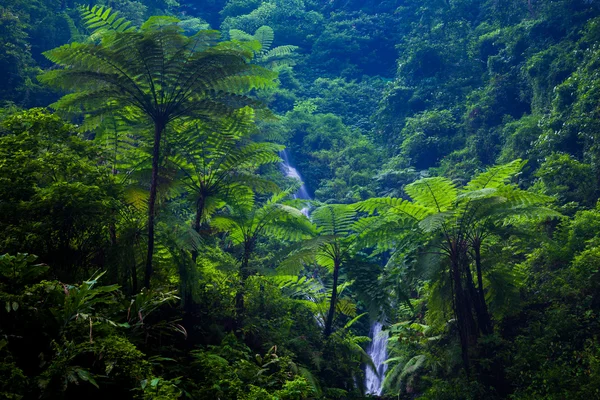
Heterogeneous forests, as the name implies, are forests that have high plant diversity. This forest consists of various types of vegetation, ranging from large trees, bushes, to small plants and epiphytes (Indonesian Forest Service, 2024).
Unlike homogeneous forests dominated by one type of plant, heterogeneous forests are ecosystems rich in flora and fauna. This diversity creates a complex forest structure and supports a high ecological balance.
Heterogeneous forests are found in many tropical regions, including Indonesia. As an archipelagic country with more than 17,000 islands, Indonesia has one of the richest heterogeneous forests in the world. The forest is home to a variety of endemic species, such as Rafflesia arnoldii and the Sumatran tiger, which cannot be found anywhere else.
The peculiarity of heterogeneous forests lies in the complexity of their structure. In one small area alone, up to 300 different tree species can be found! This is very different from homogeneous forests, which usually have only one or two dominant tree species (Journal of Tropical Ecology, 2023).
Heterogeneous forests have a very important role for life on Earth. In addition to providing stunning natural scenery, this forest also provides a variety of outstanding ecological, economic, and social benefits.
Here are some of the main benefits of heterogeneous forests:
Heterogeneous forests are home to thousands of species of flora and fauna. Indonesia alone has more than 10% of the world's plant and animal species that live in heterogeneous tropical forests.
This diversity is important for the balance of ecosystems, while being a valuable asset for scientific research, the development of medicines and the conservation of rare species.
Tropical forests, consisting mostly of heterogeneous forests, absorb about 30% of global carbon emissions annually. Diverse vegetation in these ecosystems has a greater ability to absorb carbon than homogeneous forests.
Therefore, preserving heterogeneous forests is very important in efforts to reduce the effects of climate change and global warming.
Heterogeneous forests play a role in absorbing, storing and distributing rainwater, thus helping to regulate the water cycle naturally. In addition to preventing floods and droughts, this process also maintains the availability of groundwater which is a source of clean water for the surrounding community.
The roots of plants that vary in heterogeneous forests are able to firmly bind the soil, thereby preventing erosion and landslides. According to the FAO report (2022), areas that lose forest cover often experience severe soil degradation, which ultimately negatively affects agricultural productivity and food security.
Heterogeneous forests provide a variety of natural resources, such as high-quality wood, rattan, resin, to traditional medicines. With sustainable management, these resources can be utilized without harming the ecosystem. The ecotourism industry in forest areas also provides economic benefits to local communities.

As mentioned earlier, Indonesia's heterogeneous forests are home to many rare species. An example is Ujung Kulon NationalPark, which is home to the Javan rhinoceros, one of the most endangered species in the world. The existence of heterogeneous forests is essential for the survival of these rare animals.
Heterogeneous forests offer great natural beauty, making them ideal places for nature tourism and ecotourism. In addition to providing recreational benefits, ecotourism in this forest area also contributes to the local economy, while increasing public awareness of the importance of Environmental Conservation.

Heterogeneous forests have distinctive characteristics that distinguish them from homogeneous forests. The main difference lies in the high diversity of flora and fauna and the complex structure of the ecosystem.
Here are some of the main characteristics of heterogeneous forests:
Heterogeneous forests consist of different types of trees, plants, and Wildlife. In one small area, hundreds to thousands of species can coexist, creating a balanced and interdependent ecosystem.
According to the Journal of Biodiversity Conservation report (2022), a heterogeneous tropical forest in Borneo has more than 300 tree species per hectare. This high diversity makes heterogeneous forests the center of World biodiversity.
Heterogeneous forests have a complex vegetation structure, consisting of several different layers of vegetation, including:
This layered arrangement creates an ideal habitat for a variety of species, from fruit-eating birds to small insects that play a role in the ecosystem.
Heterogeneous forests are home to diverse animal species, including birds, mammals, reptiles, amphibians, and insects. The layered vertical structure allows a given species to occupy an area that suits its needs.
For example, fruit-eating birds are more common in the canopy layer, while small mammals such as deer or anteaters tend to live on the forest floor. This diversity makes heterogeneous forests a very dynamic habitat.
Heterogeneous forests have ecological systems that are interconnected and dependent on each other. This complex ecological network makes heterogeneous forests a system capable of surviving and regenerating naturally.
Some examples of ecological interactions that occur in it are:

Indonesia has tremendous natural wealth, including heterogeneous forests spread across various regions. These forests play an important role in maintaining the balance of the ecosystem as well as being home to various species of flora and fauna.
Here are some examples of heterogeneous forests in Indonesia:
The tropical rainforest in Kalimantan is one of the largest heterogeneous forests in Indonesia. This area is often referred to as the' lungs of the world ' because it stores millions of tons of carbon and is a habitat for rare species such as the Bornean orangutan (Pongo pygmaeus) and proboscis monkey (Nasalis larvatus).
According to WWF Indonesia data (2023), this forest has more than 15,000 plant species, making it one of the regions with the highest biodiversity in the world.
Located on the border of Aceh and North Sumatra, Gunung Leuser National Park is one of the most important conservation areas in Indonesia. This heterogeneous forest is home to key species such as the Sumatran tiger (Panthera tigris sumatrae), Sumatran elephant (Elephas maximus sumatranus), and Sumatran rhinoceros (Dicerorhinus sumatrensis).
In addition, this area also serves as a catchment area that supports the lives of millions of surrounding residents.
As the largest heterogeneous forest area in Southeast Asia, Lorentz National Park covers a very diverse ecosystem, from the lowlands to the snowy peaks of the Jayawijaya Mountains.
In 1999, UNESCO designated this area as a World Heritage Site due to the uniqueness of its ecosystem. Some of the species that live here include Birds of paradise that became the icon of Papua and tree kangaroos (Dendrolagus sp.), a unique mammal found only in this region
Although smaller in size than tropical forests in Kalimantan or Sumatra, forests in the Dieng Mountains remain examples of heterogeneous forests with distinctive biodiversity.
In this area, you can find various endemic plant species as well as rare fauna such as the Javanese Eagle (Nisaetus bartelsi), which is currently endangered.
The forests of Sulawesi have a unique diversity of species due to their geographical isolation. Some endemic animals found only in this region include:
Heterogeneous forests have a vital role in maintaining the balance of the environment and human life. From sequestering carbon to providing natural resources, the benefits are vast and irreplaceable.
However, these forests face various threats such as deforestation, land encroachment, and climate change. Therefore, sustainable conservation and management efforts are needed so that heterogeneous forests are maintained for future generations. By raising awareness and participating in environmental conservation, we can help sustain these forests for a greener and healthier future!
Featured image: illustration of heterogeneous Forest / Ruangguru
Imagine if the once lush forest now turned into barren and arid land. The air becomes hot, the soil loses its fertility, and many wildlife lose their habitat. This is the reality facing many regions of the world due to deforestation.
However, there is hope to restore the damaged ecosystem again—through reforestation.
In Indonesia, various efforts have been made to re-green degraded forests, from planting trees in watersheds to mangrove forest restoration. However, how big is the impact? What are the challenges still faced?
Let's take a deeper look at how Indonesia is striving to restore its forests to their former glory and preserve the environment for future generations.

According to the Food and Agriculture Organization (FAO), reforestation is the process of replanting forests or land that has previously lost its tree cover due to logging, fires, or other human activities.
The main purpose of reforestation is to restore the functions of forest ecosystems, such as maintaining climate balance, protecting biodiversity, and providing natural resources for humans. Thus, reforestation plays an important role in reducing the effects of climate change and improving environmental quality.
Basically, reforestation is an attempt to 'heal' the Earth by re-greening land that has been damaged. However, more than just planting trees, reforestation also ensures that restored forest ecosystems can function as natural forests.
Many people often confuse reforestation and reforestation. Both are related to tree planting, but have fundamental differences.
Reforestation is carried out in areas of forest that have been cut down or disturbed to replace missing trees. The focus is on replanting trees so that the area is green again.
Reforestation, on the other hand, includes the complete restoration of ecosystems. In addition to planting trees, reforestation also aims to improve the quality of soil, water, and support the restoration of biodiversity.
In other words, reforestation can be part of reforestation, but reforestation has a broader scope because it involves the restoration of the ecosystem as a whole.

Did you know that reforestation has many amazing benefits for the environment and our lives? Some of them are:
One of the biggest benefits of reforestation is its ability to absorb carbon dioxide (CO₂) from the atmosphere, which is a major cause of global warming.
According to the World Resources Institute, tropical forests are capable of absorbing up to 2.4 billion tons of CO₂ per year, making them a natural solution in reducing greenhouse gas emissions. With the increasing extent of forest areas being restored, the rate of climate change can be suppressed, so that the Earth's temperature remains stable.
In Indonesia, net deforestation in 2021-2022 reached 104 thousand hectares, according to data from the Ministry of Environment and Forestry (MoEF). This figure shows how important reforestation is in balancing ecosystems and reducing the negative impacts of climate change.
Dense forests serve as a natural barrier that can prevent various disasters, such as floods, landslides, and erosion. Tree roots help stabilize the soil and absorb rainwater, thereby reducing the risk of disasters that can harm humans as well as the environment.
With reforestation, the frequency and impact of natural disasters can be minimized. In addition, reforestation also helps maintain soil fertility, which is very important for the sustainability of the agricultural sector and the lives of people around the forest.
Forests are home to thousands of species of flora and fauna. Unfortunately, deforestation has led to the loss of natural habitat for many wildlife, increasing the risk of their extinction. Reforestation is an important solution in restoring natural ecosystems and ensuring that various species can live and reproduce properly.
For example, a reforestation program in Gunung Leuser National Park has helped preserve the endangered Sumatran orangutan population. By restoring degraded forests, we can protect wildlife while maintaining the balance of the ecosystem as a whole.
In addition to absorbing carbon dioxide, trees planted through reforestation also play an important role in producing oxygen through the process of photosynthesis. This helps improve the quality of the air we breathe every day. In addition, trees can also absorb pollutants such as dust and other harmful gases, making the air cleaner and healthier.
Imagine, one adult tree is able to produce enough oxygen for four people every day! Therefore, the more trees planted, the better air quality we enjoy.
Reforestation also contributes to the economic well-being of communities. Recovered forests can be a source of various products of economic value, such as wood, fruits, as well as raw materials for natural medicines.
In addition, reforestation creates new jobs in various sectors, from planting and maintaining trees to processing non-timber forest products, such as honey, rattan and essential oils.
Moreover, healthy forests also encourage the growth of natural tourism sectors, such as ecotourism and educational tourism, which provide additional economic benefits to local communities.
Forests have an important role in maintaining the balance of the water cycle. The trees that grow in the forest serve as natural water stores, absorbing rainwater, and then slowly releasing it into the soil. This process helps maintain the stability of river flow, reduce the risk of flooding during the rainy season, and prevent drought in the dry season.
In addition, forests also play a role in increasing soil fertility. Fallen leaves and twigs will undergo a decomposition process and become humus, which is rich in nutrients. This humus layer is very important to maintain the fertility of agricultural land and support the growth of other crops.
In urban areas, reforestation plays a role in reducing the effect of 'Urban Heat Island', a phenomenon in which the temperature of the city is higher than the surrounding area due to the lack of green space and the dominance of concrete and asphalt. Trees in green areas can provide shade, absorb heat, as well as increase air humidity.
According to research, the presence of green spaces in cities can lower the air temperature by 2-8°C, thereby creating a more comfortable environment for residents. In addition, trees also help absorb air pollutants, such as carbon monoxide and dust particles, so that air quality in urban areas becomes better.
After discussing the benefits of reforestation, we now look at some real examples of reforestation projects that have been successful in various parts of the world.
Here are some of them:
In Indonesia, one successful example of reforestation occurred in Jeruklegi Wetan Village, Cilacap. In the past, the land in this village was a barren area that experienced ecosystem degradation. However, through reforestation efforts involving local communities, the land has now been turned into a lush green area.
Various types of trees such as mahogany, albizia, and trembesi are planted to improve soil conditions and increase biodiversity. As a result, this area is now a habitat for wildlife such as birds and monkeys, as well as providing economic benefits through forest products and ecotourism-based natural tourism potential.
Indonesia has one of the largest mangrove forest restoration programs in the world. One of the prominent projects is the replanting of mangroves in Pantai Indah Kapuk, Jakarta, which aims to prevent beach abrasion as well as increase marine biodiversity.
According to the Ministry of Environment and Forestry (MoEF), Indonesia has successfully restored more than 600,000 hectares of mangrove forest since 2020. These efforts help coastal ecosystems stay healthy, as well as support the economy of coastal communities through the Fisheries and ecotourism sectors.
New Zealand has an ambitious project called' One Billion Trees', which targets planting one billion trees by 2028. The Program aims to reduce carbon emissions, improve soil quality, and restore ecosystems damaged by deforestation.
This initiative involves various parties, including the government, the private sector, and local communities. By 2023, more than 500 million trees have been planted. In addition to the environmental benefits, the project also created thousands of new jobs, especially in the Sustainable Forestry and agriculture sectors.
The 'Great Green Wall' project is one of the world's largest reforestation efforts, aiming to plant 8,000 km of trees in the Sahel, Africa. The initiative began as a solution to address desertification, the growing spread of deserts due to climate change and soil degradation.
To date, more than 20 million hectares of land have been successfully restored, creating jobs for millions of people, as well as improving food security and the quality of life of people in the region. This project is a clear example of how reforestation can have a huge impact on ecosystems and human well-being.
In the digital age, technology also plays a role in encouraging reforestation efforts. EcoGrow is a community-based platform that combines the concepts of reforestation, crowdfunding, and blockchain technology to ensure transparency and sustainability of forest conservation projects in Indonesia.
Through EcoGrow, communities can contribute to funding and supervising reforestation projects transparently. The initiative helps re-green critical land, while empowering local communities by creating conservation-based economic opportunities.
Indonesia continues to make various reforestation efforts to restore damaged forests and achieve global environmental targets.
Here are some concrete steps that have been taken:

According to the Ministry of Environment and Forestry (MoEF), Indonesia has restored 1.2 million hectares of forest and critical land during 2019-2023. The measure supports the Nationally Determined Contribution (NDC) target of reducing greenhouse gas emissions by 29% independently and 41% with international support by 2030.
The National Movement for Watershed Restoration focuses on planting trees in watersheds to prevent flooding, erosion, and soil degradation. This Program helps to improve water quality as well as maintain the balance of the river ecosystem.
Social forestry programs involve local communities in managing and restoring forests. Until 2023, it has covered 4.7 million hectares of land and involved more than 1.2 million families. This Program provides economic benefits while preserving the environment.
Indonesia has one of the largest mangrove restoration programs in the world. Since 2020, more than 600,000 hectares of mangrove forest have been restored, helping to reduce abrasion and increase marine biodiversity.
Reforestation programs involve various parties, including governments, private companies, NGOs, and local communities. Several initiatives such as EcoGrow and tree planting campaigns by various organizations are helping to accelerate forest recovery.
Reforestation is a crucial step in maintaining ecosystem balance and addressing the effects of climate change. Indonesia has made various efforts, ranging from forest and critical land restoration, watershed restoration, to community involvement in social forestry programs.
While challenges such as deforestation and land conversion still exist, collaboration between governments, the private sector, and communities is key to achieving broader reforestation targets.
By continuously strengthening conservation policies and raising awareness of the importance of reforestation, we can ensure that forests remain a source of life for people and biodiversity. Every tree planted today is an investment in a greener and more sustainable future.
References:
https://ppid.menlhk.go.id/siaran_pers/browse/2435%20
https://www.forestdigest.com/detail/1216/berapa-deforestasi-netto-hutan-indonesia
Featured image: Mertani
In the midst of efforts to improve food security and community welfare, the use of yard land is more creative. One of the innovations that began to be implemented was the assistance of free-range chicken livestock-not only to meet the nutritional needs of the family, but also as a promising business opportunity.
Entering early 2025, Gapoktan Wanatani Lestari (KWT), one of YIARI's assisted gapoktans, built a chicken coop from local bamboo. The Program has three main goals: provide a more accessible source of protein, increase family income, and produce organic fertilizer for horticultural crops.
Then, how is this assistance carried out? Come on, look further!

The Gapoktan Wanatani Lestari farmer women's group at KPH Batutegi, Lampung, utilizes the land in their yard by implementing an integrated farming system. In addition to cultivating horticultural crops, this group is now developing a free-range chicken farming business as part of a farming diversification strategy.
The technical planning of this program has been started since the end of December 2024 and began to be implemented in the first week of January 2025. The first step was the construction of a chicken coop, which was facilitated by the IAR Indonesia Foundation (YIARI) with the active support of the local farming community. As a form of independence, members of the farmer group independently collect local bamboo to be used as the main material for the walls and floor of the cage.
In the spirit of mutual cooperation, the husbands of members of the farmer group participated in the construction of a chicken coop measuring 11 x 2 meters. This effort is expected to improve the welfare of group members through optimal utilization of local resources and encourage food security at the household level.

The cage construction process involved 15 people, including yiari staff, interns, and KWT members ' mothers. They work together to ensure that the cages built have a sturdy structure, are comfortable, and meet the needs of keeping chickens.
The construction was carried out in stages, starting from the manufacture of the frame, the installation of bamboo walls, to the completion of the floor and roof. To increase protection from wind and rain, the walls of the cage are sheathed with tarpaulin to keep the temperature inside stable. With a more awake environment, chickens can grow optimally and healthily.
After the cage is completed on January 22, 2025, the next step is to create an optimal environment for the growth of chickens. The main factors that are considered include ventilation, placement of feed and drinking, lighting, and cleanliness of the cage.
Proper ventilation is a top priority to ensure smooth air circulation, reduce excess moisture, and prevent the spread of diseases. In addition, the placement of feed and drinking places is strategically designed to be easily accessible to chickens, minimize the risk of contamination, and reduce feed waste.
To keep the temperature of the cage warm, especially at night, a lamp is installed that serves as a source of lighting and heating. Adequate lighting helps chickens stay active while reducing stress that can affect their growth and health. With optimal cage management, it is expected that chickens can grow healthy and produce high quality production.

As part of the utilization of local resources, chicken feed containers are made from bamboo. The use of bamboo is not only environmentally friendly, but also more economical and easily obtained by farmer groups. With this approach, the free-range chicken farming program also reduces dependence on more expensive plastic or metal equipment.
At the initial stage, a total of 266 two-week-old village chickens that had been vaccinated began to be put into cages. In the next four weeks, the second Cage is planned to be completed to accommodate an additional 200 chickens. With this system, farmer groups can harvest every month, with a target of chicken weight reaching 1 kg within 2.5 months.

In addition to ensuring supportive housing conditions, nutritional aspects are also a major factor in the cultivation of free-range chickens. Chickens need quality feed with a balanced composition that includes protein, carbohydrates, vitamins, and minerals to support optimal growth and maintain endurance.
In addition, regular monitoring of chicken health is very important to prevent disease, increase the success rate of cultivation, and ensure healthy and quality livestock. This step includes vaccination, monitoring of the symptoms of the disease, as well as the implementation of strict cage hygiene.
In addition to providing economic benefits from sales, raising free-range chickens also opens up opportunities for farmer groups to implement an integrated agricultural system.
One of the main benefits of this business is the utilization of chicken manure as an organic fertilizer. This fertilizer can increase soil fertility and productivity of horticultural crops managed by farmer groups. With the presence of organic fertilizers, the cost of purchasing chemical fertilizers can be reduced, making agricultural businesses more efficient and environmentally friendly. In addition, an integrated agricultural system creates a more efficient production cycle, in which livestock waste is reused to support the agricultural sector.
More than just financial benefits, raising free-range chickens also brings social benefits to the community. This activity strengthens the spirit of mutual cooperation among members of farmer groups and provides opportunities for them to develop new skills in raising livestock and managing businesses independently.
Assistance in the cultivation of free-range chicken is a clear proof that community empowerment can run in harmony with environmental sustainability. With the support of various parties and the spirit of mutual cooperation, the program is expected to continue to grow and inspire more communities to use the yard productively.
In the future, the farmer women's Group (KWT) Gapoktan Wanatani Lestari plans to increase production capacity and expand the chicken sales market. This step will open up greater economic opportunities for its members, as well as contribute to strengthening food security in their regions.
Assistance like this proves that innovation in the agricultural sector is able to provide broad benefits, both in terms of economic, social, and environmental. Let's together support sustainable agriculture and empower more communities to be independent!
Waste is a serious problem that is not only a national responsibility, but also a global challenge that is still being resolved.
Based on Circular Letter (SE) Number 1 of 2025 concerning the commemoration of National Waste Care Day (HPSN) 2025, data from the Global Waste Management Outlook 2024 notes that around 38 percent of waste in the world is still not managed properly. This condition contributes greatly to three major environmental crises known as the Triple Planetary Crisis, namely climate change, biodiversity loss, and environmental pollution.
At the national level, Indonesia recorded a waste dump of 56.63 million tons in 2023. Of this total, only 39.01 percent or about 22.09 million tons were successfully managed. The rest, which is 60.99 percent or about 34.54 million tons, has not received adequate handling.
As part of the commemoration of HPSN 2025, Yayasan Initiasi Alam Rehabilitasi Indonesia (YIARI) initiated environmental clean-up activities with children in Ketapang regency, West Kalimantan. This action aims to instill environmental awareness from an early age, and invite people to be more concerned about waste management around them.
Curious as to what activities are carried out? Come on, check out the excitement of yiari's action with the children in Ketapang below!
In commemoration of National Waste Care Day (HPSN) 2025, Yayasan Initiasi Alam Rehabilitasi Indonesia (YIARI) together with children in Ketapang regency, West Kalimantan, held a clean-up action at seven different locations. This activity lasted for two days, namely on February 21 and 22, 2025.
Right on February 21, coinciding with the commemoration of HPSN, the activity began with a garbage clean action with students of SDN 20 Pangkalan Jihing, which is also part of the Gunung Tarak work site.

Still on the same day, YIARI held a waste recycling activity at the Sir Michael Uren Learning Center (LC SMU). In this activity, YIARI collaborated with Genta (nature lovers movement) from SMKN 1 Ketapang, creating an educational moment about Creative Waste Management and utilization.
In addition, YIARI also held an environmental clean action with children in Nusa Poring Village, which is part of the Melawi site project.
On February 22, the clean-up action continued in three elementary schools and one village, namely SDN 33 Cali, SDN 14 Pulau Cempedak, SDN 07 Hulu Sungai, and Batu Lapis Village.

The clean-up action initiated by Yayasan Initiasi Alam Rehabilitasi Indonesia (YIARI) in Nusa Poring Village received a positive response from the local community. This activity is part of a series of commemoration of National Waste Care Day (HPSN) 2025.
According to Dieka Pertiwi, education and awareness manager of YIARI, garbage cleaning activities are actually not new for children and residents in Ketapang Regency. Similar actions have become routine activities carried out in various villages.
'Actually, this clean-up action is not a new activity. Activities like this have been routinely done. So, HPSN is only ceremonial, because outside of festive moments like this, clean-up activities have become a regular agenda in the villages,” explained Dieka.
Furthermore, Dieka explained that in the framework of HPSN 2025, YIARI held a garbage clean action with a more ceremonial approach and involved a number of schools in the Ketapang area.
'The response from the community is very positive, especially from children who are used to participating in this activity regularly every month,” he added.
One of the interesting facts about clean-up activities in Ketapang Regency is the habit of children who make environmental care actions as part of their daily play activities. In some areas, such as in Mentatai, children often swim or dive in the river while picking up garbage they find on the surface and bottom of the river.

“They, if they see garbage at the bottom of the river, immediately taken. It has become a habit” ' said Dieka.
He added that this awareness is the result of various educational activities and environmental care actions carried out consistently in the Ketapang area.
“The activities that have been routinely carried out make children more aware. In fact, they take their own initiative to collect garbage, including those at the bottom of the river,” he explained.
Of the various types of waste that pollute the environment, plastic waste is the biggest challenge faced today. This is due to the high level of use of plastic in everyday life, including among children. In Ketapang Regency, for example, children still have the habit of buying snacks that are generally packaged in disposable plastic.
Nevertheless, children's awareness of the importance of maintaining environmental cleanliness is quite good. Although they still consume plastic packaged products, they have become accustomed to throwing garbage in place, not carelessly.
As part of its ongoing efforts, YIARI continues to educate children and communities in Ketapang, especially regarding the dangers and management of plastic waste. One of the positive habits that began to be built is to bring your own container or place to drink when buying snacks, in order to reduce dependence on disposable plastic packaging.
The garbage problem will never really end. However, as individuals, we can contribute through consistent small steps, such as sorting garbage, bringing our own containers, or regularly participating in environmental clean-up activities. Not having to wait for a certain moment such as the National Waste Care Day (HPSN), the action of maintaining cleanliness can be done every week, even every day, in the environment where we live.
As the children in Ketapang have shown-playing while picking up trash-this simple action has a big impact if done collectively. It's time we make caring about waste a part of our lifestyle. Yuk, from now on get used to picking up trash and throwing it where it should be!
Featured image: students of SDN O7 Hulu Sungai clean up trash. (Education team | YIARI)