Have you ever thought that every activity we do—from turning on the lights, using our cell phones, to enjoying a cup of coffee in the morning—leaves its mark on the Earth?
These traces are known as carbon footprints, and without us knowing it, their number continues to grow every day.
The more carbon emissions released into the atmosphere, the greater the impact on the environment, such as global warming, extreme climate change, and damage to ecosystems. But, how much do our activities actually affect the carbon footprint? And more importantly, what can we do to reduce it?
Let's take a deeper look at how carbon footprints form, what causes them, and the steps we can take to make real change!
Have you ever thought about the impact of daily activities on the environment? This concept is known as carbon footprint.
The carbon footprint is the total greenhouse gas emissions produced by human activities, either directly or indirectly. These gases include carbon dioxide (CO₂), methane (chī), and nitrous oxide (N₂O), all of which contribute to global warming and climate change. (Reel, 2024).
In other words, the Carbon Footprint refers to the amount of greenhouse gases released into the atmosphere as a result of various human activities, such as the use of motor vehicles, electricity consumption and the production process of goods.
The more activities that involve burning fossil fuels, the greater the resulting carbon footprint. Interestingly, each individual has a different carbon footprint, depending on their lifestyle, location, and type of activity.
Carbontrail calculates an individual's average carbon footprint as follows.

According to the Our World in Data 2024 report, the energy sector is the largest contributor to global carbon emissions, which is about 73% of total emissions. In it, electricity and heat production are the main contributors.
In addition, the transportation sector accounted for about 16%, while food production and distribution accounted for nearly 26%. That is, even the food we consume every day has its own carbon footprint!
Globally, the average carbon footprint per capita stands at around 4 tonnes of CO₂ per year. However, in developed countries such as the United States, this figure could reach 16 tonnes of CO₂ per person—four times higher than the global average.
Conversely, in developing countries such as Indonesia, the per capita carbon footprint rate tends to be lower. Despite this, large populations still contribute significantly to total national carbon emissions.
After understanding the concept of carbon footprint, it is important to realize almost all aspects of modern life contribute to carbon emissions. From large activities such as power plants to small habits, such as enjoying a cup of coffee in the morning, everything has an impact on the environment.
There are various factors that cause carbon footprints, but here are some of the main causes to consider:
Electricity that powers lights, fuels vehicles, to gas for cooking or heating water comes mostly from burning fossil fuels such as coal, petroleum, and natural gas.
This fossil energy is one of the main contributors to global carbon emissions. According to International Energy Agency (IEA) data for 2023, the energy sector accounts for 73% of total global greenhouse gas emissions.
How many vehicles are used every day? Cars, planes, ships and other vehicles are part of modern life, but they are also one of the main causes of carbon emissions.
According to the latest data, Land Transport accounts for 45% of the total emissions of the global transport sector, while aircraft account for about 12%.
Everything we buy, from clothes to Gadgets, has a huge carbon footprint.
Industrial production processes, especially in sectors such as steel and cement, generate significant carbon emissions. According to the World Resources Institute's 2024 report, the industrial sector is responsible for 6.5% of total global emissions.
According to the book 'carbon footprint: Global impacts and control efforts' by Mamik Suendarti (2024), carbon footprint mainly comes from human activities such as fossil fuel burning and deforestation.
Not only that, the food we eat also contributes to carbon emissions. Products such as beef and milk have a high carbon footprint due to livestock processes that produce methane gas.
Deforestation activities— the clearing of agricultural land by cutting down trees-also exacerbate the situation. Trees that were supposed to absorb carbon were instead cut down, increasing the amount of carbon in the atmosphere.
Here are the data we refer to from ZonaEBT in 2023:

The ever-increasing carbon footprint has a domino effect that threatens the sustainability of the planet. One of the biggest impacts of the carbon footprint is global warming.
When greenhouse gases such as carbon dioxide (CO₂) accumulate in the atmosphere, they act like a giant blanket trapping the Earth's heat. As a result, global temperatures are rising, causing various changes that upset the balance of ecosystems.
Here are some of the serious impacts of the carbon footprint on the Earth:
Extreme weather phenomena such as stronger storms, major floods, and prolonged droughts are a direct result of climate change triggered by carbon emissions.
Menurut laporan Intergovernmental Panel on Climate Change (IPCC) tahun 2021, suhu global telah meningkat rata-rata 1,1°C sejak era pra-industri, dan sebagian besar peningkatan ini disebabkan oleh aktivitas manusia.
Global warming is causing ice sheets in the North and South Poles to melt at an alarming rate.
As a result, sea levels rise, threatening small islands and coastal areas. If these conditions persist, coastal cities are at risk of sinking, forcing millions of people to evacuate.
Natural habitats such as forests and oceans are seriously disrupted by climate change. This accelerates the extinction of various animal and plant species.
Coral reefs, which are home to thousands of marine species, are now experiencing mass bleaching due to warming and ocean acidification. If not addressed immediately, damage to these ecosystems will have a major impact on the food chain and the balance of nature.
Now we already understand carbon footprints are everywhere, but did you know carbon footprints don't just have one type?
As it turns out, there are several types of carbon footprints that we can encounter in everyday life. Here are some examples:
Personal carbon footprint is the greenhouse gas emissions generated from daily activities, such as vehicle use, electricity consumption at home, to the food you choose.
For example, if you often travel in a private car, the carbon emissions from that vehicle will be part of your personal carbon footprint. The more you use fossil fuels, the greater your carbon footprint.

Every item we consume, from food to clothing and gadgets, has a carbon footprint that comes from its production process, distribution, to how it is disposed of.
For example, electronic products such as mobile phones and laptops have a fairly high carbon footprint due to their energy-intensive manufacturing and distribution processes. Reporting from Telkomsel (2024), using a laptop for 8 hours per day produces a carbon footprint of around 433 gCO₂e.
Not only individuals, organizations such as companies and government agencies also have a carbon footprint from their operations.
An organization's carbon footprint includes emissions from office energy use, employee transportation, and waste disposal. For example, Apple reports that they are successfully reducing their carbon footprint to carbon neutral by switching to renewable energy and reducing emissions in their supply chain.
Each country has a national carbon footprint, which is calculated based on the total greenhouse gas emissions from various sectors, such as energy, transportation, industry and agriculture.
For example, the United States is one of the largest emitters, with a national carbon footprint of more than 5.1 billion tons of CO₂ per year. Other countries such as China, India, and Russia also contribute large amounts of carbon emissions.
The digital services we use every day, such as video streaming, cloud computing, and shipping, also leave a carbon footprint.
Every time you watch a movie on a streaming platform, the data processed and stored on the server generates carbon emissions. According to the Shift Project (2019) Research, digital consumption accounts for about 4% of total global carbon emissions, and this figure continues to increase as internet users increase.
Reducing our carbon footprint is not only the responsibility of governments or large corporations, but we all—as individuals—have an important role to play in keeping the planet healthy.
There are many ways we can reduce our carbon footprint, and some of them are very easy to implement in our daily lives. Here are some simple steps you can start right now:
One of the best ways to reduce your carbon footprint is to switch to renewable energy sources.
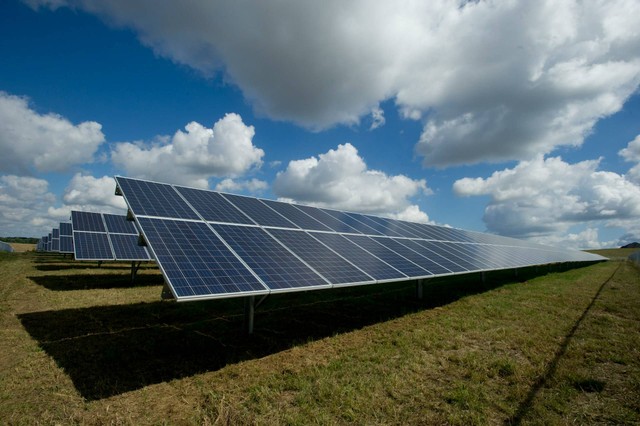
You can start by installing solar panels on your home or, if possible, opt for green power that uses energy from wind and sun. With this step, we can reduce dependence on fossil fuels, which are the main cause of carbon emissions.
Feel free to buy second-hand items such as clothing, furniture or electronics.
By buying second-hand goods, you help reduce the demand for new production, which often requires large amounts of energy and produces high amounts of carbon emissions. In addition, buying used goods is also more economical, you know.
If you haven't used LED lights yet, it's time to switch!
LED lamps are much more energy efficient than incandescent or halogen lamps, and have a longer service life. By using LED lights, you will save electricity, while reducing the carbon footprint of household energy consumption.
As much as possible, avoid disposable items and switch to reusable items, such as stainless water bottles instead of plastic bottles, cloth shopping bags to replace plastic bags, and reusable food containers to reduce the use of styrofoam
One of the easiest ways to reduce your carbon footprint is by using public transportation, cycling, or even walking if it's a short distance away.
Personal transportation, especially those using fossil fuels, is one of the biggest contributors to carbon emissions. Therefore, switching to public transportation or using bicycles is very effective to reduce our carbon footprint.
Every wasted food is wasted energy and resources. Spending whatever food we consume, storing food properly, and utilizing leftovers, is a big step in reducing our carbon footprint.
With these simple steps, you can calculate your carbon footprint, while taking active steps to reduce it.
The ever-increasing carbon footprint has serious impacts on the Earth, from extreme climate change to ecosystem destruction. However, the good news is that we can all contribute to reducing it.
Every small step we take—like using renewable energy, switching to greener transportation, or reducing food waste—has a huge impact on keeping the planet sustainable. The more people who are aware and act, the greater the positive change we can create.
The Earth is our only home. Let's take care of it together and reduce our carbon footprint from now on!
References:
Have you ever imagined walking in the middle of a lush forest, surrounded by giant trees, the sound of birds singing, and the fresh scent of moist soil? Such is the charm of heterogeneous forests, one of the most rich and amazing ecosystems in the world.
Not just a collection of trees, this forest is home to thousands of species of flora and fauna, as well as an important role in maintaining natural balance.
What, then, exactly makes heterogeneous forests so special? How does it differ from a homogeneous forest?
Come on, check out more and discover the uniqueness and amazing benefits of this ecosystem!
Heterogeneous forests, as the name implies, are forests that have high plant diversity. This forest consists of various types of vegetation, ranging from large trees, bushes, to small plants and epiphytes (Indonesian Forest Service, 2024).
Unlike homogeneous forests dominated by one type of plant, heterogeneous forests are ecosystems rich in flora and fauna. This diversity creates a complex forest structure and supports a high ecological balance.
Heterogeneous forests are found in many tropical regions, including Indonesia. As an archipelagic country with more than 17,000 islands, Indonesia has one of the richest heterogeneous forests in the world. The forest is home to a variety of endemic species, such as Rafflesia arnoldii and the Sumatran tiger, which cannot be found anywhere else.
The peculiarity of heterogeneous forests lies in the complexity of their structure. In one small area alone, up to 300 different tree species can be found! This is very different from homogeneous forests, which usually have only one or two dominant tree species (Journal of Tropical Ecology, 2023).
Heterogeneous forests have a very important role for life on Earth. In addition to providing stunning natural scenery, this forest also provides a variety of outstanding ecological, economic, and social benefits.
Here are some of the main benefits of heterogeneous forests:
Heterogeneous forests are home to thousands of species of flora and fauna. Indonesia alone has more than 10% of the world's plant and animal species that live in heterogeneous tropical forests.
This diversity is important for the balance of ecosystems, while being a valuable asset for scientific research, the development of medicines and the conservation of rare species.
Tropical forests, consisting mostly of heterogeneous forests, absorb about 30% of global carbon emissions annually. Diverse vegetation in these ecosystems has a greater ability to absorb carbon than homogeneous forests.
Therefore, preserving heterogeneous forests is very important in efforts to reduce the effects of climate change and global warming.
Heterogeneous forests play a role in absorbing, storing and distributing rainwater, thus helping to regulate the water cycle naturally. In addition to preventing floods and droughts, this process also maintains the availability of groundwater which is a source of clean water for the surrounding community.
The roots of plants that vary in heterogeneous forests are able to firmly bind the soil, thereby preventing erosion and landslides. According to the FAO report (2022), areas that lose forest cover often experience severe soil degradation, which ultimately negatively affects agricultural productivity and food security.
Heterogeneous forests provide a variety of natural resources, such as high-quality wood, rattan, resin, to traditional medicines. With sustainable management, these resources can be utilized without harming the ecosystem. The ecotourism industry in forest areas also provides economic benefits to local communities.

As mentioned earlier, Indonesia's heterogeneous forests are home to many rare species. An example is Ujung Kulon NationalPark, which is home to the Javan rhinoceros, one of the most endangered species in the world. The existence of heterogeneous forests is essential for the survival of these rare animals.
Heterogeneous forests offer great natural beauty, making them ideal places for nature tourism and ecotourism. In addition to providing recreational benefits, ecotourism in this forest area also contributes to the local economy, while increasing public awareness of the importance of Environmental Conservation.

Heterogeneous forests have distinctive characteristics that distinguish them from homogeneous forests. The main difference lies in the high diversity of flora and fauna and the complex structure of the ecosystem.
Here are some of the main characteristics of heterogeneous forests:
Heterogeneous forests consist of different types of trees, plants, and Wildlife. In one small area, hundreds to thousands of species can coexist, creating a balanced and interdependent ecosystem.
According to the Journal of Biodiversity Conservation report (2022), a heterogeneous tropical forest in Borneo has more than 300 tree species per hectare. This high diversity makes heterogeneous forests the center of World biodiversity.
Heterogeneous forests have a complex vegetation structure, consisting of several different layers of vegetation, including:
This layered arrangement creates an ideal habitat for a variety of species, from fruit-eating birds to small insects that play a role in the ecosystem.
Heterogeneous forests are home to diverse animal species, including birds, mammals, reptiles, amphibians, and insects. The layered vertical structure allows a given species to occupy an area that suits its needs.
For example, fruit-eating birds are more common in the canopy layer, while small mammals such as deer or anteaters tend to live on the forest floor. This diversity makes heterogeneous forests a very dynamic habitat.
Heterogeneous forests have ecological systems that are interconnected and dependent on each other. This complex ecological network makes heterogeneous forests a system capable of surviving and regenerating naturally.
Some examples of ecological interactions that occur in it are:

Indonesia has tremendous natural wealth, including heterogeneous forests spread across various regions. These forests play an important role in maintaining the balance of the ecosystem as well as being home to various species of flora and fauna.
Here are some examples of heterogeneous forests in Indonesia:
The tropical rainforest in Kalimantan is one of the largest heterogeneous forests in Indonesia. This area is often referred to as the' lungs of the world ' because it stores millions of tons of carbon and is a habitat for rare species such as the Bornean orangutan (Pongo pygmaeus) and proboscis monkey (Nasalis larvatus).
According to WWF Indonesia data (2023), this forest has more than 15,000 plant species, making it one of the regions with the highest biodiversity in the world.
Located on the border of Aceh and North Sumatra, Gunung Leuser National Park is one of the most important conservation areas in Indonesia. This heterogeneous forest is home to key species such as the Sumatran tiger (Panthera tigris sumatrae), Sumatran elephant (Elephas maximus sumatranus), and Sumatran rhinoceros (Dicerorhinus sumatrensis).
In addition, this area also serves as a catchment area that supports the lives of millions of surrounding residents.
As the largest heterogeneous forest area in Southeast Asia, Lorentz National Park covers a very diverse ecosystem, from the lowlands to the snowy peaks of the Jayawijaya Mountains.
In 1999, UNESCO designated this area as a World Heritage Site due to the uniqueness of its ecosystem. Some of the species that live here include Birds of paradise that became the icon of Papua and tree kangaroos (Dendrolagus sp.), a unique mammal found only in this region
Although smaller in size than tropical forests in Kalimantan or Sumatra, forests in the Dieng Mountains remain examples of heterogeneous forests with distinctive biodiversity.
In this area, you can find various endemic plant species as well as rare fauna such as the Javanese Eagle (Nisaetus bartelsi), which is currently endangered.
The forests of Sulawesi have a unique diversity of species due to their geographical isolation. Some endemic animals found only in this region include:
Heterogeneous forests have a vital role in maintaining the balance of the environment and human life. From sequestering carbon to providing natural resources, the benefits are vast and irreplaceable.
However, these forests face various threats such as deforestation, land encroachment, and climate change. Therefore, sustainable conservation and management efforts are needed so that heterogeneous forests are maintained for future generations. By raising awareness and participating in environmental conservation, we can help sustain these forests for a greener and healthier future!
Featured image: illustration of heterogeneous Forest / Ruangguru
Imagine if the once lush forest now turned into barren and arid land. The air becomes hot, the soil loses its fertility, and many wildlife lose their habitat. This is the reality facing many regions of the world due to deforestation.
However, there is hope to restore the damaged ecosystem again—through reforestation.
In Indonesia, various efforts have been made to re-green degraded forests, from planting trees in watersheds to mangrove forest restoration. However, how big is the impact? What are the challenges still faced?
Let's take a deeper look at how Indonesia is striving to restore its forests to their former glory and preserve the environment for future generations.

According to the Food and Agriculture Organization (FAO), reforestation is the process of replanting forests or land that has previously lost its tree cover due to logging, fires, or other human activities.
The main purpose of reforestation is to restore the functions of forest ecosystems, such as maintaining climate balance, protecting biodiversity, and providing natural resources for humans. Thus, reforestation plays an important role in reducing the effects of climate change and improving environmental quality.
Basically, reforestation is an attempt to 'heal' the Earth by re-greening land that has been damaged. However, more than just planting trees, reforestation also ensures that restored forest ecosystems can function as natural forests.
Many people often confuse reforestation and reforestation. Both are related to tree planting, but have fundamental differences.
Reforestation is carried out in areas of forest that have been cut down or disturbed to replace missing trees. The focus is on replanting trees so that the area is green again.
Reforestation, on the other hand, includes the complete restoration of ecosystems. In addition to planting trees, reforestation also aims to improve the quality of soil, water, and support the restoration of biodiversity.
In other words, reforestation can be part of reforestation, but reforestation has a broader scope because it involves the restoration of the ecosystem as a whole.

Did you know that reforestation has many amazing benefits for the environment and our lives? Some of them are:
One of the biggest benefits of reforestation is its ability to absorb carbon dioxide (CO₂) from the atmosphere, which is a major cause of global warming.
According to the World Resources Institute, tropical forests are capable of absorbing up to 2.4 billion tons of CO₂ per year, making them a natural solution in reducing greenhouse gas emissions. With the increasing extent of forest areas being restored, the rate of climate change can be suppressed, so that the Earth's temperature remains stable.
In Indonesia, net deforestation in 2021-2022 reached 104 thousand hectares, according to data from the Ministry of Environment and Forestry (MoEF). This figure shows how important reforestation is in balancing ecosystems and reducing the negative impacts of climate change.
Dense forests serve as a natural barrier that can prevent various disasters, such as floods, landslides, and erosion. Tree roots help stabilize the soil and absorb rainwater, thereby reducing the risk of disasters that can harm humans as well as the environment.
With reforestation, the frequency and impact of natural disasters can be minimized. In addition, reforestation also helps maintain soil fertility, which is very important for the sustainability of the agricultural sector and the lives of people around the forest.
Forests are home to thousands of species of flora and fauna. Unfortunately, deforestation has led to the loss of natural habitat for many wildlife, increasing the risk of their extinction. Reforestation is an important solution in restoring natural ecosystems and ensuring that various species can live and reproduce properly.
For example, a reforestation program in Gunung Leuser National Park has helped preserve the endangered Sumatran orangutan population. By restoring degraded forests, we can protect wildlife while maintaining the balance of the ecosystem as a whole.
In addition to absorbing carbon dioxide, trees planted through reforestation also play an important role in producing oxygen through the process of photosynthesis. This helps improve the quality of the air we breathe every day. In addition, trees can also absorb pollutants such as dust and other harmful gases, making the air cleaner and healthier.
Imagine, one adult tree is able to produce enough oxygen for four people every day! Therefore, the more trees planted, the better air quality we enjoy.
Reforestation also contributes to the economic well-being of communities. Recovered forests can be a source of various products of economic value, such as wood, fruits, as well as raw materials for natural medicines.
In addition, reforestation creates new jobs in various sectors, from planting and maintaining trees to processing non-timber forest products, such as honey, rattan and essential oils.
Moreover, healthy forests also encourage the growth of natural tourism sectors, such as ecotourism and educational tourism, which provide additional economic benefits to local communities.
Forests have an important role in maintaining the balance of the water cycle. The trees that grow in the forest serve as natural water stores, absorbing rainwater, and then slowly releasing it into the soil. This process helps maintain the stability of river flow, reduce the risk of flooding during the rainy season, and prevent drought in the dry season.
In addition, forests also play a role in increasing soil fertility. Fallen leaves and twigs will undergo a decomposition process and become humus, which is rich in nutrients. This humus layer is very important to maintain the fertility of agricultural land and support the growth of other crops.
In urban areas, reforestation plays a role in reducing the effect of 'Urban Heat Island', a phenomenon in which the temperature of the city is higher than the surrounding area due to the lack of green space and the dominance of concrete and asphalt. Trees in green areas can provide shade, absorb heat, as well as increase air humidity.
According to research, the presence of green spaces in cities can lower the air temperature by 2-8°C, thereby creating a more comfortable environment for residents. In addition, trees also help absorb air pollutants, such as carbon monoxide and dust particles, so that air quality in urban areas becomes better.
After discussing the benefits of reforestation, we now look at some real examples of reforestation projects that have been successful in various parts of the world.
Here are some of them:
In Indonesia, one successful example of reforestation occurred in Jeruklegi Wetan Village, Cilacap. In the past, the land in this village was a barren area that experienced ecosystem degradation. However, through reforestation efforts involving local communities, the land has now been turned into a lush green area.
Various types of trees such as mahogany, albizia, and trembesi are planted to improve soil conditions and increase biodiversity. As a result, this area is now a habitat for wildlife such as birds and monkeys, as well as providing economic benefits through forest products and ecotourism-based natural tourism potential.
Indonesia has one of the largest mangrove forest restoration programs in the world. One of the prominent projects is the replanting of mangroves in Pantai Indah Kapuk, Jakarta, which aims to prevent beach abrasion as well as increase marine biodiversity.
According to the Ministry of Environment and Forestry (MoEF), Indonesia has successfully restored more than 600,000 hectares of mangrove forest since 2020. These efforts help coastal ecosystems stay healthy, as well as support the economy of coastal communities through the Fisheries and ecotourism sectors.
New Zealand has an ambitious project called' One Billion Trees', which targets planting one billion trees by 2028. The Program aims to reduce carbon emissions, improve soil quality, and restore ecosystems damaged by deforestation.
This initiative involves various parties, including the government, the private sector, and local communities. By 2023, more than 500 million trees have been planted. In addition to the environmental benefits, the project also created thousands of new jobs, especially in the Sustainable Forestry and agriculture sectors.
The 'Great Green Wall' project is one of the world's largest reforestation efforts, aiming to plant 8,000 km of trees in the Sahel, Africa. The initiative began as a solution to address desertification, the growing spread of deserts due to climate change and soil degradation.
To date, more than 20 million hectares of land have been successfully restored, creating jobs for millions of people, as well as improving food security and the quality of life of people in the region. This project is a clear example of how reforestation can have a huge impact on ecosystems and human well-being.
In the digital age, technology also plays a role in encouraging reforestation efforts. EcoGrow is a community-based platform that combines the concepts of reforestation, crowdfunding, and blockchain technology to ensure transparency and sustainability of forest conservation projects in Indonesia.
Through EcoGrow, communities can contribute to funding and supervising reforestation projects transparently. The initiative helps re-green critical land, while empowering local communities by creating conservation-based economic opportunities.
Indonesia continues to make various reforestation efforts to restore damaged forests and achieve global environmental targets.
Here are some concrete steps that have been taken:

According to the Ministry of Environment and Forestry (MoEF), Indonesia has restored 1.2 million hectares of forest and critical land during 2019-2023. The measure supports the Nationally Determined Contribution (NDC) target of reducing greenhouse gas emissions by 29% independently and 41% with international support by 2030.
The National Movement for Watershed Restoration focuses on planting trees in watersheds to prevent flooding, erosion, and soil degradation. This Program helps to improve water quality as well as maintain the balance of the river ecosystem.
Social forestry programs involve local communities in managing and restoring forests. Until 2023, it has covered 4.7 million hectares of land and involved more than 1.2 million families. This Program provides economic benefits while preserving the environment.
Indonesia has one of the largest mangrove restoration programs in the world. Since 2020, more than 600,000 hectares of mangrove forest have been restored, helping to reduce abrasion and increase marine biodiversity.
Reforestation programs involve various parties, including governments, private companies, NGOs, and local communities. Several initiatives such as EcoGrow and tree planting campaigns by various organizations are helping to accelerate forest recovery.
Reforestation is a crucial step in maintaining ecosystem balance and addressing the effects of climate change. Indonesia has made various efforts, ranging from forest and critical land restoration, watershed restoration, to community involvement in social forestry programs.
While challenges such as deforestation and land conversion still exist, collaboration between governments, the private sector, and communities is key to achieving broader reforestation targets.
By continuously strengthening conservation policies and raising awareness of the importance of reforestation, we can ensure that forests remain a source of life for people and biodiversity. Every tree planted today is an investment in a greener and more sustainable future.
References:
https://ppid.menlhk.go.id/siaran_pers/browse/2435%20
https://www.forestdigest.com/detail/1216/berapa-deforestasi-netto-hutan-indonesia
Featured image: Mertani
Have you heard about local wisdom such as Ngaben ceremony in Bali or Reog Ponorogo from East Java? Each country has its own unique culture, but Indonesia holds something truly special: local wisdom that is an integral part of the nation's identity.
Behind these various traditions, noble values are hidden that remain alive and relevant, even in the midst of the currents of modernity that continue to move forward. Imagine how Balinese people prepare the Ngaben procession with sincerity, or how the music and magical movements in the Reog Ponorogo show are able to captivate the attention of anyone who witnesses it. This is not just a ritual or entertainment per se—it is a reflection of the wisdom of ancestors passed down from generation to generation.
With more than 300 ethnic groups and 1,340 ethnic groups scattered throughout the archipelago, local wisdom is a clear proof of the richness and diversity of Indonesian culture.
In fact, according to data from the Ministry of Education and culture in 2024, more than 250 cultural traditions have been officially registered as Intangible Cultural Heritage. However, an important question arises: is all this wisdom able to survive in the midst of the rapid influence of foreign cultures and the development of modern technologies?
To answer this question, you need to re-understand what is meant by local wisdom.
Local wisdom is a set of knowledge, values, norms, and practices that grow and develop in a community, based on life experiences and culture that are passed down from generation to generation.
This wisdom serves as a guideline in various aspects of life—whether social, economic, ecological, or spiritual.
According to Sibarani (2012), local wisdom is the original knowledge derived from the culture of the local community and passed down from generation to generation.
Meanwhile, Keraf (2002) emphasized that local wisdom includes all forms of understanding, beliefs, insights, and habits that guide human behavior in maintaining social balance and environmental sustainability.
Local wisdom is not just a cultural heritage, but also part of the identity and character of a community. This wisdom contains noble values that are passed down from generation to generation and remain relevant in modern life.
Here are some characteristics of local wisdom:
Actually, what is local wisdom preserved for? Is it just because it's been there for a long time? The answer is no.
Local wisdom is not just a tradition, but it has real benefits that are very relevant to our lives, both on an individual and social scale. Here are some of the benefits of local wisdom:
Local wisdom teaches how to interact with nature in a balanced and thoughtful way. The values contained in it encourage people to take care of the ecosystem and use natural resources sustainably.
By applying local principles that are oriented towards sustainability, the environment can be preserved and utilized without damaging its balance.

Local wisdom is part of the identity of a community group. He became a marker of cultural uniqueness that distinguishes one community from another.
When local values are valued and maintained, the cultural identity will be stronger and not easily eroded by the changing currents of the Times.
In local wisdom, there are norms that regulate social behavior and create order in society.
Principles such as cooperation, equality, and mutual respect are the basis for building harmonious interpersonal and interwar relationships. This creates social stability and strengthens ties within the community.
Cultural values passed down through generations often manifest themselves in the form of distinctive skills, knowledge, and products of economic value.
When local wisdom is developed productively, it can become a resource that supports people's economic activities, creates jobs, and improves welfare sustainably.
Local wisdom is loaded with moral teachings that shape people's personality and ethics. Through these values, positive attitudes such as respect, responsibility, empathy and honesty are formed.
Internalizing the moral values of local wisdom contributes to creating a society of integrity and noble culture.
From various sources, we can find many types of local wisdom. But in general, we can categorize local wisdom as follows.
Customs are rules and habits that regulate people's lifestyles, ranging from how to dress, social interaction, to the procedure for conducting traditional ceremonies.
For example in Bali, there is a system of temples and penjor used in celebrating religious holidays. These two elements are not only symbols of beauty, but also illustrate the harmony of the relationship between man, nature and the creator.
This kind of tradition teaches the values of peace, togetherness, as well as respect for ancestors.
In various regions, the community is still implementing an agricultural system based on local wisdom that is proven to be environmentally friendly and sustainable.
One example is the Subak system in Bali. This system regulates the equitable distribution of water through cooperation between farmers and is based on the philosophy of Tri Hita Karana, which emphasizes the balance between man, nature and God. This practice is a proof of local wisdom able to create harmony between agriculture and environmental conservation.
Folklore is a medium used by previous societies to convey moral and ethical values to the next generation.
Who has not heard the story of Malin Kundang? This legend teaches the importance of filial piety to parents and serves as a warning of the consequences of ungodly attitudes.
This kind of story remains alive in society and continues to be told orally and in writing, making it an important part in the formation of cultural character.
Traditional arts and crafts are a form of local wisdom that is realized through cultural expressions and hereditary skills.
For example, the craft of batik, weaving, and wood carving developed in various regions such as Yogyakarta, Pekalongan, and Jepara. In Yogyakarta and Pekalongan, batik is not only preserved as a cultural heritage, but also developed into a creative industry that is highly competitive and empowers local communities.
The distinctive batik motifs hold a deep philosophy about life, the environment, and socio-cultural values.
Local wisdom in natural resource management reflects public awareness of the importance of maintaining ecosystem balance.
A vivid example can be found in indigenous villages in Kalimantan, where communities implement sustainable forest management systems. They have customary rules governing when and how forests can be used.
Every region in Indonesia has traditional ceremonies and religious rituals that are part of their cultural identity.
In Bali, for example, the Ngaben ceremony is a tradition of cremation that aims to transport the spirit of the deceased to the afterlife. This ceremony not only shows respect for ancestors, but also teaches the importance of maintaining a balance between man and the universe.
Regional languages and proverbs are important containers to convey the values of local wisdom.
In the Javanese language, there is a proverb 'Adigang, adigung, adiguna', which means that someone who only relies on strength, power, or intelligence without considering moral values will be easily stumbled by his own arrogance. This proverb is a reminder to always be humble and not boast excessively.
Traditional culinary is not just a matter of taste, but also full of cultural meaning and social value. In West Sumatra, for example, rendang is not only known as a delicious food, but also represents the philosophy of life of the Minangkabau people.
Rendang cooking process that requires patience and work together illustrates the value of mutual cooperation, perseverance, and respect for tradition.
Traditional music and dance are forms of cultural expression that are often used in traditional celebrations and religious rituals.
In East Java, Reog Ponorogo dance is an example of how performing arts are used to convey stories of heroism and strength. Apart from being Entertainment, this show also strengthens social relations and strengthens the cultural identity of the region.
After understanding the basic concepts of local wisdom, now is the time to get to know more closely some real examples from various regions in Indonesia.
Although it may not be widely known, the following traditions reflect the noble values, togetherness, and wisdom in the lives of local people.

Mappalette Bola is a mutual cooperation tradition originating from the Bugis and Makassar communities in South Sulawesi.
In this tradition, residents join hands to help move a house on stilts from one location to another together.
The process of moving the house is done by lifting the structure of the house manually using bamboo as a buffer. In addition to showing physical cooperation, Mappalette Bola reflects the strong value of solidarity and collective spirit in community life.

Omed-Omedan is a unique tradition carried out by young people in Banjar Kaja, Sesetan Village, Denpasar, right after Nyepi Day.
In this ceremony, two groups of young people face each other, then pull and hug each other, which in practice is sometimes accompanied by a light kiss.
This tradition is believed to be a symbol of rejecting reinforcements as well as a form of supplication for good luck and fertility in the new year. More than just a cultural attraction, Omed-Omedan teaches the importance of togetherness, compassion, and social sustainability in the community.
In Gumiwang Village, Kuningan Regency, West Java, the community implements a system of customary law known as Lembaga Adat Gumiwang.
This system focuses on conflict resolution through deliberation and consensus, without necessarily involving formal legal institutions.
One of the important elements in this tradition is the Ngajayakake ritual, which is a meeting of citizens to discuss and resolve social issues openly. This process emphasizes the importance of mutual respect, listening, and finding solutions together, so as to maintain harmony in community life.

Ngarot ceremony is a typical tradition of the agrarian community in Lelea District, Indramayu Regency, West Java. This tradition is held as a form of gratitude to God for the abundant harvest, as well as a request for blessings for the next growing season.
The ngarot procession is usually carried out before the rice planting period, involving the youth and young people of the village. They wear brightly colored traditional clothing and bring produce such as rice, vegetables, and fruits to be offered at the shrine. The series of events was also enlivened by traditional music performances, regional dances, and a lively procession.
More than just a celebration, the Ngarot ceremony reflects respect for nature and reinforces the value of togetherness and cultural preservation among the younger generation.
Te Aro Naweak Lako is a philosophy of life that comes from the indigenous people in Papua, which literally means 'nature is part of us'. This value contains a deep meaning that the relationship between man and nature is unified and interdependent.
This philosophy is not only a hereditary teaching, but also reflected in the daily life of the Papuan people. In the practice of hunting, farming, and utilizing forest products, they always maintain the balance of nature with full awareness and responsibility.
For example, they only take in moderation and avoid overexploitation, as a form of respect for nature that they consider a relative.
Through Te Aro Naweak Lako, Papuans remind us that caring for nature is not only an obligation, but also a part of cultural identity that is passed down from generation to generation.
Well, buddy # konservasYIARI, it turns out that local wisdom stores so many incredible benefits, right? Not only as a cultural heritage that enriches the identity of the nation, local wisdom can also be a Relevant Life Guide in facing various challenges of modern times.
As the next generation, it is our responsibility to maintain and preserve these noble values. Do not let the advancement of technology and today's lifestyle make us forget or even ashamed of our own cultural roots. In fact, the more we recognize and appreciate local wisdom, the stronger the National Foundation that we build.
Many people are gathering at the event Salvation / source: Budayaanbetawi
In agriculture, fertilizer plays an important role as the main support for plant growth and development. Without an adequate supply of nutrients from fertilizers, plants become vulnerable to pest and disease attacks.
This condition certainly has a direct impact on the quality of crops, both in terms of quantity and quality of fruit or vegetables produced.
In general, there are two types of fertilizers commonly used to fertilize plants, namely chemical fertilizers and organic fertilizers.
Among the two, organic fertilizers are increasingly recommended because they are more environmentally friendly and do not pollute the soil or water sources. One form of organic fertilizer that began to be widely used is liquid organic fertilizer (POC).
What is liquid organic fertilizer? Let's see a more detailed explanation of the following liquid organic fertilizer!
Liquid organic fertilizer (POC) is a liquid fertilizer made from natural ingredients through the process of fermentation or decay. Based on information from the scientific journal of Service and innovation, POC raw materials include organic waste such as plant residues, animal waste, and human waste containing various important nutrients.
POC contains two types of nutrients, namely:
In addition, POC also contains bioactive substances such as vitamins and enzymes produced by the activity of microorganisms during fermentation. These compounds support plant metabolism and increase resistance to environmental stress.
POC is more effectively applied directly to the leaves, stems, and flowers of plants. This is because plant tissues, in particular stomata (pores on the surface of leaves and stems), are able to absorb nutrients in liquid form quickly and efficiently.
POC is very beneficial especially in the initial growth phase of the plant and during the transition from the vegetative to the generative phase, in which the plant begins to flower or bear fruit. In addition to being a source of nutrients, POC also acts as a natural growth stimulant that helps accelerate the development of buds and flowers.

Liquid organic fertilizer (POC) has a number of properties that resemble solid organic fertilizers, despite their different physical forms. POC is liquid because it has gone through the process of fermentation or decomposition of organic matter naturally. The main characteristics of liquid organic fertilizers are:
As the name suggests, liquid organic fertilizer has a physical form in the form of a liquid. This form facilitates the process of absorption of nutrients by plants through leaves and roots.
Liquid organic fertilizer (POC) has a number of properties that resemble solid organic fertilizers, despite their different physical forms. POC is liquid because it has gone through the process of fermentation or decomposition of organic matter naturally. The main characteristics of liquid organic fertilizers are:
As the name suggests, liquid organic fertilizer has a physical form in the form of a liquid. This form facilitates the process of absorption of nutrients by plants through leaves and roots.
POC contains various important nutrients needed by plants, both macro nutrients such as nitrogen (N), phosphorus (P), and potassium (K), as well as micro nutrients such as iron (Fe), manganese (Mn), and zinc (Zn).
This complete nutrient content helps support optimal plant growth at all phases of life.
One of the main advantages of POC is its ease of application. This fertilizer can be sprayed directly onto plant parts such as leaves, stems, and flowers, or sprayed onto growing media such as soil or compost.
Thanks to the liquid form, POC is absorbed by plants faster than solid fertilizers. Nutrients can enter directly through the stomata on the leaves or through the roots, so that their effect on plant growth is felt faster.
POC can be made from various household and agricultural organic waste, such as vegetable scraps, fruit peels, animal waste, to kitchen waste. This makes POC a cost-effective fertilizer option while supporting sustainable organic waste management.
Because it comes from natural organic ingredients, liquid organic fertilizers are able to improve soil structure, increase organic matter content, and strengthen water binding in the soil.
This makes the soil looser and more fertile, thus supporting optimal plant root growth.
A well-fermented POC does not emit a fetid odor. On the contrary, this fertilizer has a characteristic and unobtrusive aroma of fermentation, so it is more convenient to use it, especially in domestic or urban environments.
In addition to serving as a source of nutrients, POC also contains live microorganisms such as bacteria and fungi. These microbes play a role in breaking down organic matter in the soil and suppressing the growth of pathogens that cause plant diseases naturally.
Quality POCs generally have a neutral to slightly acidic pH (around pH 6-7), which is ideal for most types of plants. In terms of appearance, this fertilizer is Brown to blackish brown, indicating an optimal fermentation process and nutrient-rich raw materials.
The regular use of POC has been proven to improve the quality of agricultural products. Plants produce fresher fruits and vegetables, more natural flavors, and better shelf life because they are obtained from balanced and natural nutrients.

In terms of use, liquid organic fertilizer (POC) offers higher convenience than solid organic fertilizer. The application is simply sprayed or watered, without the need for complex tillage processes.
However, POC is not ideal for being the main fertilizer in the long term, due to its nutritional properties, which are more easily washed out by rainwater or soil erosion.
Referring to the Journal of scientific and technological services (Polytechnic of Industrial Chemical Technology Medan), the following advantages and disadvantages of POC:
Low viability of microorganisms: microorganisms contained in POC have low viability, especially if storage is not carried out correctly.
Limited microorganism population: the number of microbes in the POC is often below 10 ° cfu/ml, which is low enough to significantly improve the soil in a short time.
Relatively low nutrient content: the main nutrients in POC generally come from added ingredients such as urea or NPK, rather than purely from organic fermentation.
Non-durable: POC has a short shelf life, usually less than one year, and is not suitable for long-term storage without special treatment.
Potential for contamination and odor: if not fermented optimally, POC is at risk of producing gases and pungent odors, and is susceptible to being contaminated with pathogens.
Not yet ideal for industrial scale: POC production is often still manual and not immediately ready for mass scale use without standardization.

Liquid organic fertilizer (POC) can be made independently by utilizing organic materials that are easily found around the environment.
The manufacturing process involves fermentation using effective microorganisms such as EM4, which contains Lactobacillus bacteria, Actinomycetes, Streptomyces, yeast, and photosynthetic bacteria. These microorganisms play an important role in accelerating the decomposition of organic matter into nutrients that are ready to be absorbed by plants.
Here's an example of a simple recipe for making POC:
The process of creating a POC cannot be done instantly. It takes at least two weeks of fermentation to produce fertilizer with good quality. The results of this POC can be used directly on plants, either sprayed on the leaves or sprinkled on the ground.
Liquid organic fertilizer is an environmentally friendly and economical solution to increase agricultural productivity. Both for household scale and wider agricultural land, POC offers ease of manufacture and use.
By taking advantage of the available organic waste, anyone can make their own fertilizer at home. Now, there is no reason to let plants grow without nutrients—even if only in the yard.
Featured image: Ilustrasi pupuk organik cair (pixabay.com/PollyDot)
Have you ever imagined that the sunlight that illuminates the Earth every day can be a source of unlimited energy for our lives? Interesting, isn't it?
This is the reason why solar energy—or solar energy-has become increasingly popular in recent years. As one of the renewable energy sources, solar energy offers a sustainable solution to reduce dependence on limited fossil fuels and pollute the environment.
Fortunately, Indonesia has a huge solar energy potential. Based on data from the Ministry of energy and Mineral Resources (ESDM), the potential of solar energy in Indonesia is estimated at 207 gigawatts (GW). However, until the beginning of 2023, the installed capacity of new solar power plants (PLTS) will reach around 322 megawatts (MW), or less than 1% of their total potential.
However, what exactly is solar energy? How does it work, and what are its benefits in everyday life? Let's explore more about solar energy, and how Indonesia is starting to move towards a greener and more sustainable future.
Solar energy is energy produced from solar radiation.
In other words, it is natural energy that can be converted into electricity or heat using a variety of technologies, especially photovoltaic (PV) solar panels and solar heating systems.
According to the International Renewable Energy Agency (IRENA), solar energy is one of the most abundant sources of renewable energy on Earth—far exceeding even today's total global energy needs. This fact shows how much potential can be harnessed from sunlight.
The main technologies in the use of solar energy are divided into two types:
Both technologies play an important role in the transition to clean energy. Both for household and industrial needs, solar energy is one of the most potential solutions to create a more environmentally friendly and sustainable energy system.
As a tropical country that is illuminated by the sun almost all year round, Indonesia has a huge potential for solar energy.
Based on the latest data from the Ministry of energy and Mineral Resources (ESDM) in 2024, the potential for solar energy in Indonesia has reached around 210 gigawatt-peak (GWp), an increase from 207.8 GWp in 2021. Unfortunately, the utilization rate of solar energy in the country is still very low-only about 0.1% of the total available potential.
Although its use is still limited, solar energy continues to show its potential as a clean, sustainable and efficient future energy solution.
So, what are the advantages of solar energy that make it more ogled?
Solar energy is one of the most environmentally friendly energy options. Unlike fossil fuels that generate greenhouse gas emissions and air pollution, the use of solar energy does not generate harmful substances.
By switching to solar energy, you contribute to reducing your carbon footprint, slowing the pace of climate change, and maintaining cleaner air for everyday life. This is a real step towards a greener future.
The sun is an inexhaustible source of energy—at least in the next few billion years. In contrast to fossil energy sources such as coal or petroleum, which are limited and can run out, energy from sunlight continues to be available every day.
Indonesia's geographical prominence in the tropics makes it ideal for harnessing this energy. With abundant sunlight most of the year, solar energy becomes a reliable long-term solution for future electricity needs.
Although the initial cost of installing a solar panel system can seem large, the running and maintenance costs are relatively low. After the system is installed, you only need to perform routine maintenance, such as cleaning the panel surface from dust or dirt.
The absence of fuel costs that have to be purchased regularly also makes solar energy a cost-effective solution in the long term. In a certain time, this initial investment can return through savings on electricity bills.
One of the most significant advantages of solar energy is its ability to be applied in almost all regions, including remote areas that have not been reached by the PLN electricity network.
Solar energy opens up great opportunities for people in rural areas or small islands to gain access to electricity without having to build expensive infrastructure. Thus, solar energy plays an important role in supporting equitable access to energy throughout Indonesia.
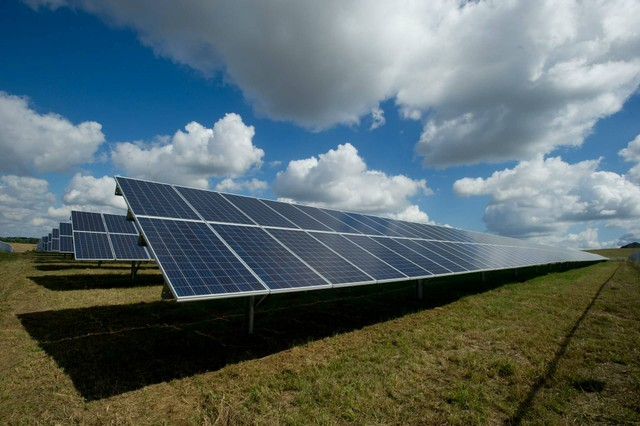
As technology develops, the use of solar energy is increasingly widespread and felt in various aspects of life. Here are some of the main benefits of solar energy that you should know:
By using solar energy, you can help reduce dependence on fossil energy sources such as coal, oil, and natural gas. In addition to the limited number, fossil fuel prices tend to be unstable and often influenced by global geopolitical conditions.
Solar energy is becoming a more environmentally friendly solution while offering energy independence. By utilizing abundant sunlight, we can access clean and stable energy in the long run.
The solar energy sector opens up great opportunities in job creation in various fields, from solar panel production, assembly, installation, to system maintenance.
According to the International Renewable Energy Agency (IRENA) report, in 2020 the renewable energy sector globally employed around 12 million people—with photovoltaic (PV) technology being the largest contributor absorbing nearly 4 million workers.
In Indonesia alone, increased investment in solar energy has the potential to drive economic growth through local job creation, especially in the manufacturing and engineering services sectors.
There are still many areas in Indonesia, especially 3T areas (lagging, leading, and outermost), which have not been reached by conventional electricity networks. Solar energy can be an effective solution to provide independent access to electricity in these regions.
With solar panel systems, people in rural areas, remote villages, or small islands can get electricity without waiting for the construction of complex and costly infrastructure. This not only supports equitable distribution of energy, but also improves the quality of life of people in previously non-electrified areas.
One of the advantages of solar energy is its cost stability. Because it does not depend on fuel commodities whose prices fluctuate, solar energy offers stability in electricity prices in the long term.
That way, you don't have to worry about rising electricity tariffs due to fluctuations in the global energy market. This makes solar energy even more attractive, both for households and industrial sectors that require predictability of energy costs.
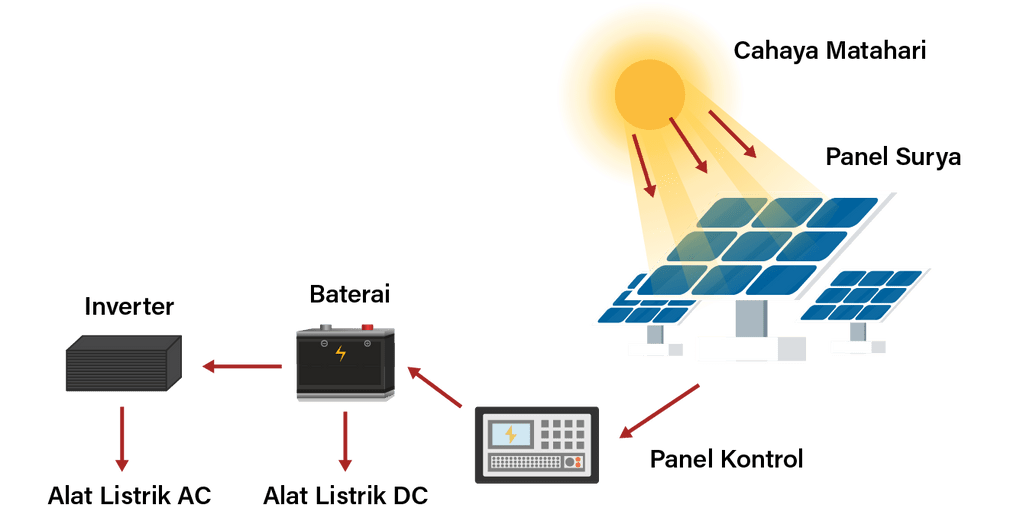
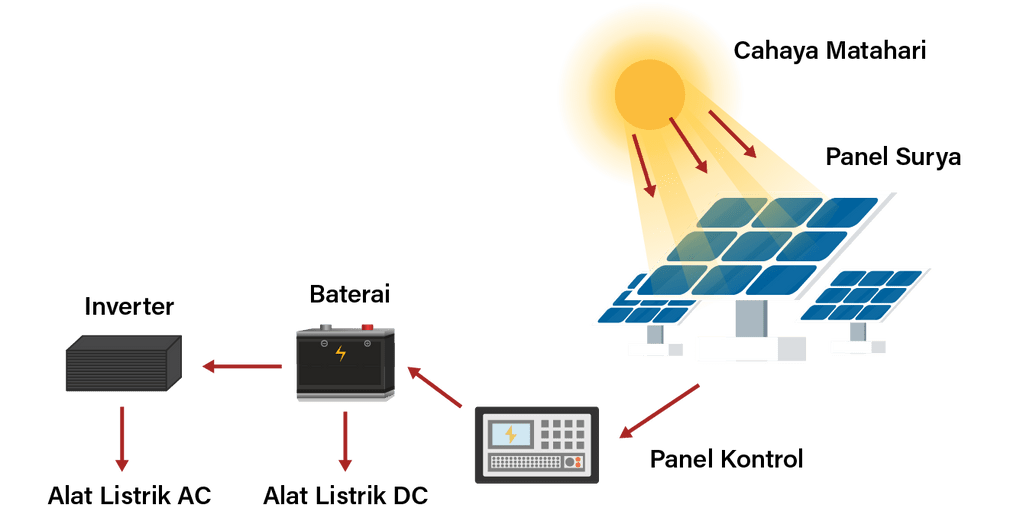
Solar energy works through a sophisticated technological process, capable of converting sunlight into electrical energy. The technology uses a device called a solar panel, which consists of a collection of solar cells or photovoltaic cells designed to capture and convert solar light efficiently.
Each solar cell works on the principle of the photovoltaic effect, which is the process by which light (photons) from the sun stimulate the movement of electrons in a semiconductor material, generating a direct electric current (DC).
In general, solar cells are composed of several main layers:
When sunlight hits the surface of a solar cell, light particles (photons) will hit the atoms in the silicon layer. This collision causes the free electrons to move, creating a flow of electricity. This electrical current is then collected and passed through an inverter circuit to be converted into alternating current (AC) that can be used in homes, offices, or industrial facilities.

Solar energy systems are now increasingly widely known and have been applied in various forms, both at the global and national levels.
In Indonesia itself, the use of solar energy as an alternative source of electricity began to grow rapidly and can be found in everyday life. Here are some examples of popular solar energy applications:
PLTS is one of the most common and large-scale forms of solar energy application. This system uses solar panels to generate electricity which is then channeled to the public grid.
In Indonesia, one of the largest PLTS is located in Kupang, East Nusa Tenggara, with a capacity of up to 5 megawatts (MW). This solar power plant is a clear proof that solar energy can be the backbone of electricity supply in areas with high solar potential.
Rooftop solar panels are increasingly popular among households and commercial buildings. Installation of solar panels on the roof allows the owner of a house or building to generate electricity on their own and reduce monthly bills.
The net metering scheme implemented by PLN also encourages the adoption of this technology, as unused energy can be channeled back to the grid and converted into electricity credits.
This technology utilizes sunlight to heat water used for household and industrial needs.
Solar water heaters are usually installed on roofs and are particularly efficient in sunny climates. This solution not only saves energy, but also reduces the use of electricity from conventional sources.
Solar lights, especially for street lighting, are now increasingly commonly used in various parts of Indonesia, especially in areas that have not been fully covered by the electricity network.
These lights use small panels to absorb solar energy during the day, then store it in batteries for use at night. This technology is very effective for improving security and mobility in remote areas.
Solar energy is no longer just a discourse of the future—it has become a real solution that is constantly evolving and shows great potential for answering global energy challenges. With abundant solar resources throughout the year, Indonesia has tremendous opportunities to lead the transition to clean and sustainable energy.
Although it still faces challenges, such as high initial costs and dependence on weather conditions, technological developments and government policy support pave the way for increased adoption of solar energy in the future.
Now is the time for all of us to start taking a role—whether as individuals, communities, or part of the industry—in supporting the use of solar energy. By doing so, you not only help preserve the environment, but also help create a more independent, clean, and equitable energy future for future generations.
References:
https://seia.org/initiatives/about-solar-energy/
https://www.irena.org/Publications/2024/Jul/Renewable-energy-statistics-2024
https://www.reuters.com/world/asia-pacific/indonesia-plans-boost-renewable-usage-new-electricity-supply-plan-2025-02-11/
Featured image: Panel Surya / Sumber: Freepik
Have you ever felt that the discussion about renewable energy is just a theory on paper-complicated, technical, and far from everyday life?
In fact, renewable energy is actually getting closer to us, even becoming an important part in efforts to save the Earth from an increasingly real climate crisis.
Imagine, in 2022 alone, Indonesia will be able to produce about 65 Terawatt hours (TWh) of electricity from renewable energy sources—enough to light more than 114 thousand 1,000-watt homes for a full year. This is not a small number, and it clearly shows that changes are taking place.
At the global level, the shift to clean energy is also progressing rapidly. Since 2000, the proportion of electricity from renewable energy in the world jumped from 19% to more than 30% by 2023.
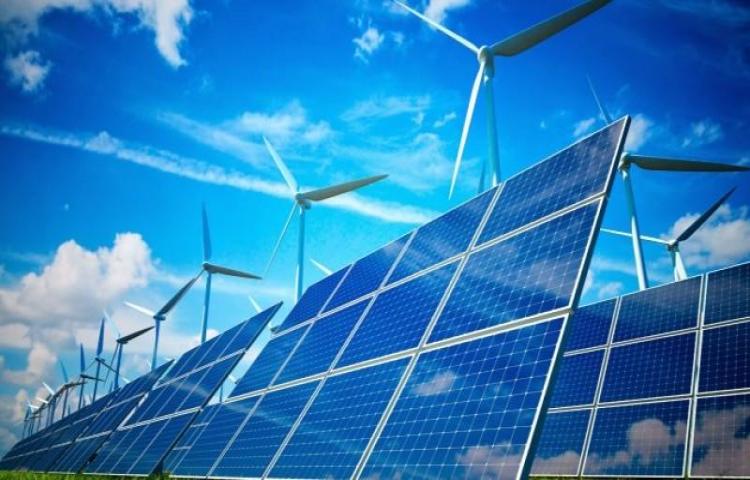
This remarkable growth was largely driven by the utilization of solar and wind power which jumped from just 0.2% to 13.4%.
Indonesia is starting to move in line with this global trend. However, in order to achieve a complete clean energy transition, there are still many challenges to be faced.
Let's go deeper: how the wave of renewable energy in the world affects Indonesia's steps, and what roles we can take towards a greener and more sustainable future.
New and Renewable Energy (EBT) is a term that appears more and more frequently in discussions around sustainability and the energy transition. According to the Ministry of energy and Mineral Resources (ESDM), EBT is a source of energy derived from natural processes that take place in a sustainable manner, such as solar energy, wind, water, geothermal, and biomass.
These energy sources are called' Renewable ' because they can be renewed naturally in a relatively short time, unlike fossil energies that take millions of years to form. In the journal Renewable and Sustainable Energy Reviews, renewable energy is defined as energy that comes from nature and will not run out, as long as it is managed wisely. For example, the sun will continue to shine and produce energy as long as it is still there, as well as the wind is always present as long as there is movement of air in the atmosphere.
In addition, according to Dr. Herman Darnel Ibrahim, one of the renewable energy experts in Indonesia, EBT is not only environmentally friendly, but also has great potential in strengthening national energy independence.
Basically, new and renewable energy is clean energy that can be renewed naturally and is the main key in realizing a sustainable energy system in the future.
Having understood what new and Renewable Energy (EBT) is, it is time for us to dive deeper: why is EBT the main highlight in the global effort towards sustainability?
The answer lies in the wide range of real benefits offered by renewable energy. Come on, check out the following points!
One of the main advantages of renewable energy is its very minimal impact on the environment. Energies such as solar and wind generate almost no greenhouse gas emissions during the electricity generation process.
In contrast, coal-fired power plants are still the largest contributor to carbon dioxide (CO₂) emissions, which is about 40% of total global emissions.
This fact makes renewable energy an important solution to slow the pace of climate change and maintain the quality of the air we breathe every day.
Did you know that most of the conventional energy sources we rely on today—such as coal and petroleum—are finite and will eventually run out?
This is where renewable energy comes in as the answer. Resources such as sun, wind, and water will continue to be available as long as nature exists.
Citing a National Geographic report in 2024, solar energy that illuminates the Earth in just one hour is enough to meet the energy needs of the entire world for a whole year. Incredible, isn't it?
The use of renewable energy also plays a major role in encouraging sustainable technological innovation.
Growing demand every year Spurs the development of a wide range of technical solutions, from increasingly efficient solar panels to more durable and cost-effective energy storage systems (such as batteries).
This not only supports the global energy transition, but also opens up new economic opportunities in the green technology sector.
The renewable energy sector not only offers environmental solutions, but also opens up vast economic opportunities.
With the growth of this industry, a wide variety of jobs are created—from technology research and development, to the production of components such as turbines and solar panels, to the installation and maintenance of energy systems.
According to the International Renewable Energy Agency (IRENA) report in 2023, more than 12 million people worldwide have worked in the renewable energy sector. This figure continues to increase with the increase in clean energy projects in various countries.
The transition to renewable energy also creates local employment opportunities, especially in remote areas that have been difficult to reach by conventional energy infrastructure. This can encourage regional economic growth and narrow the development gap between regions.
One of the strategic advantages of renewable energy is its ability to reduce the country's dependence on fossil fuel imports.
By utilizing local resources such as solar, wind, water, or geothermal, countries can increase energy independence while reducing the risk of instability due to fluctuations in world oil prices.
In addition, renewable energies offer better price stability in the long term. Because the sources come from nature and are freely available—such as sunlight or wind—the operating costs of renewable energy plants tend to be lower and unaffected by the volatility of global energy markets.
This makes renewable energy a strategic choice, both in terms of the economy and National Energy Security.
When we talk about renewable energy, we're actually talking about the incredible power of nature—the power that can be harnessed to meet human energy needs without burdening the environment.
These energy sources come from ongoing natural processes and can be renewed sustainably. Some of these include sunlight, wind, water (hydro), geothermal, and biomass. In contrast to fossil energy, which is limited and takes millions of years to form, renewable energy sources are available in large quantities and can continue to be utilized in the long term.
So, what about the potential for renewable energy in Indonesia? As it turned out, our country holds enormous potential in this regard. Indonesia's geographical location on the equator makes it rich in exposure to sunlight throughout the year-an important advantage for the development of solar energy.
Not only that, Indonesia as an archipelago surrounded by the sea and has many mountains, also holds great potential in the wind, water and geothermal energy sectors.
In fact, Indonesia is said to be one of the countries with the largest geothermal reserves in the world—about 40% of the total global geothermal reserves are located here. This makes geothermal one of the most strategic local energy sources.
Understanding the concept of renewable energy is not enough—we also need to see real examples and implementation of this energy source in various countries, including Indonesia.
Here are some of the most commonly used types of renewable energy, complete with examples of their application:

Solar energy, or solar energy, is one of the most popular and fast-growing forms of renewable energy in the world. This technology utilizes sunlight to generate electricity or heat, generally through solar panels (solar panels) or photovoltaic cells.
Solar panels work by converting sunlight into electrical energy directly.
Interestingly, the cost of installing solar panel systems is now increasingly affordable. According to the International Renewable Energy Agency (IRENA), the cost of electricity from solar energy has fallen by about 85% in the past decade—opening up greater opportunities for people to switch to this clean energy source.

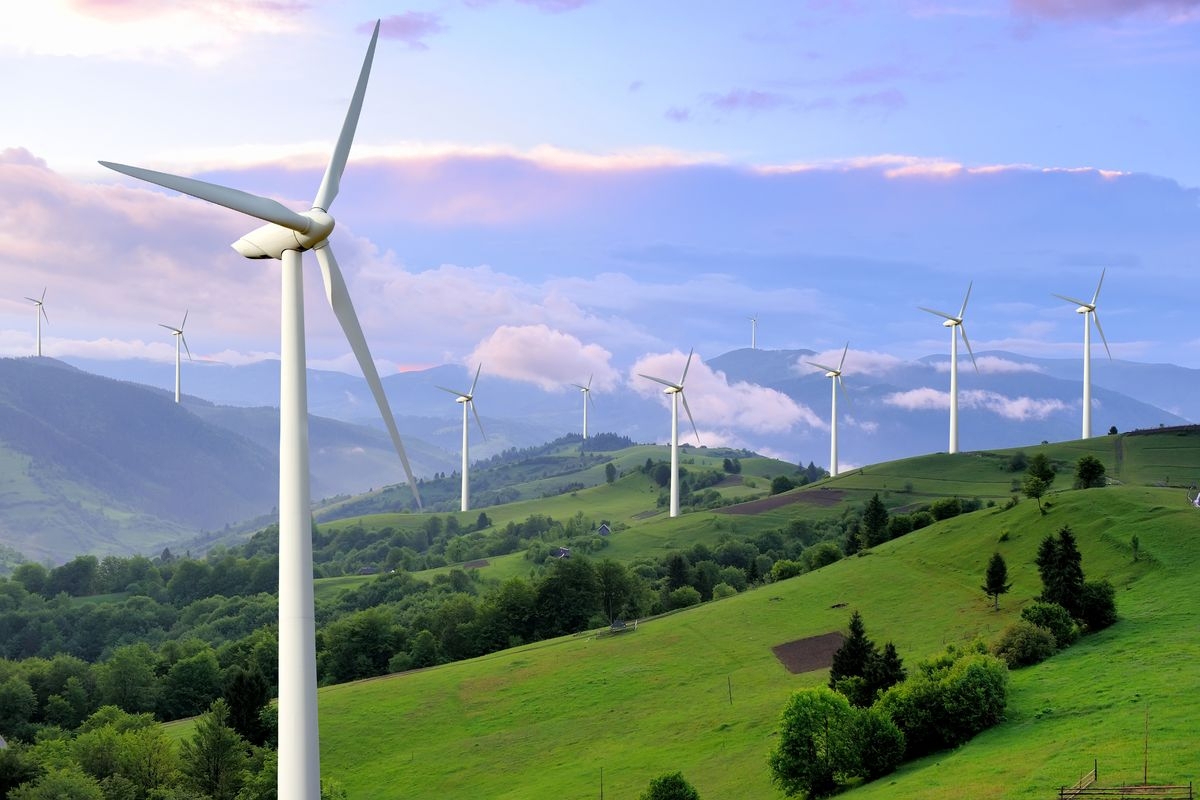
Wind energy uses wind turbines to convert kinetic energy from wind gusts into electricity. These turbines are usually installed in areas with consistent wind speeds, such as coastal areas or open plateaus.
Countries such as Denmark and Germany have made the most of wind potential and made Wind Energy one of their main sources of electricity.
In Indonesia, this potential is also beginning to be developed, especially in eastern regions such as South Sulawesi and Nusa Tenggara.

Water energy, or hydropower, utilizes the flow of water—whether from rivers, reservoirs, or waterfalls—to drive turbines and generate electricity. This technology has long been used in Indonesia through hydroelectric power plants (hydropower).
Hydropower is known as one of the stable and efficient renewable energy technologies. However, the construction of infrastructure such as dams sometimes causes environmental impacts, such as disruption of river ecosystems or relocation of nearby residents.
Geothermal energy comes from heat stored in the Earth's core. Generally, this energy is harnessed in regions with high volcanic activity—and Indonesia is among the countries with the largest geothermal potential in the world.
Its application can be seen in geothermal power plants (PLTP), which utilize Steam or hot water from inside the earth to drive turbines. PLTP is not only environmentally friendly, but also has a stable energy production capacity throughout the year, independent of the weather.
Bioenergy, or biomass energy, comes from renewable organic materials such as agricultural waste, wood, food waste, to animal waste.
This energy can be used in many forms—burned directly to produce heat, converted into electricity, or processed into liquid fuels such as bioethanol and biodiesel.
Countries like Sweden have proven the successful use of biomass in their energy systems. About 30% of the energy supply in the country comes from biomass, mainly from waste from the Forestry and agricultural industries. In Indonesia, the potential of bioenergy is also great, especially because the availability of raw materials from the agricultural and plantation sectors is very abundant.
Ocean Energy is a form of renewable energy that utilizes the dynamics of the ocean, such as waves, tides, ocean currents, and even the difference in temperature between the surface and depth of the sea (ocean thermal energy).
This technology is still in the development stage in many countries, but it promises great potential—especially for maritime countries like Indonesia.
With a very long coastline and vast ocean, Indonesia has a strategic opportunity to develop marine energy as part of the clean energy transition. Although the technological challenges are still great, the use of marine energy has the potential to be a long-term solution in diversifying national energy sources
Hydrogen energy is starting to be talked about as the future of clean energy. Hydrogen can be used as an environmentally friendly fuel because its combustion produces only water vapor, without carbon emissions.
Generally, hydrogen is produced through the process of water electrolysis, that is, the separation of water into hydrogen and oxygen using electricity from renewable sources such as solar or wind energy.
The main advantage of hydrogen energy lies in its ability to be stored and used whenever needed. This makes it a potential solution for storing renewable energy on a large scale—whether for household needs, public facilities, to industry.
Seeing the huge potential of renewable energy in Indonesia and the various benefits it offers—from reducing carbon emissions, creating jobs, to strengthening energy independence—it is time we make renewable energy part of the solution of the future.
The transition to clean energy is not an instant process, but every small step we take today will determine the direction of our future. Whether through harnessing solar energy in homes, supporting green energy policies, or simply spreading the right information about renewable energy, all contributions have their impact.
Let's create a fairer, more sustainable energy system for future generations.
References:
https://www.sciencedirect.com/journal/renewable-and-sustainable-energy-reviews
https://www.un.org/en/climatechange/what-is-renewable-energy
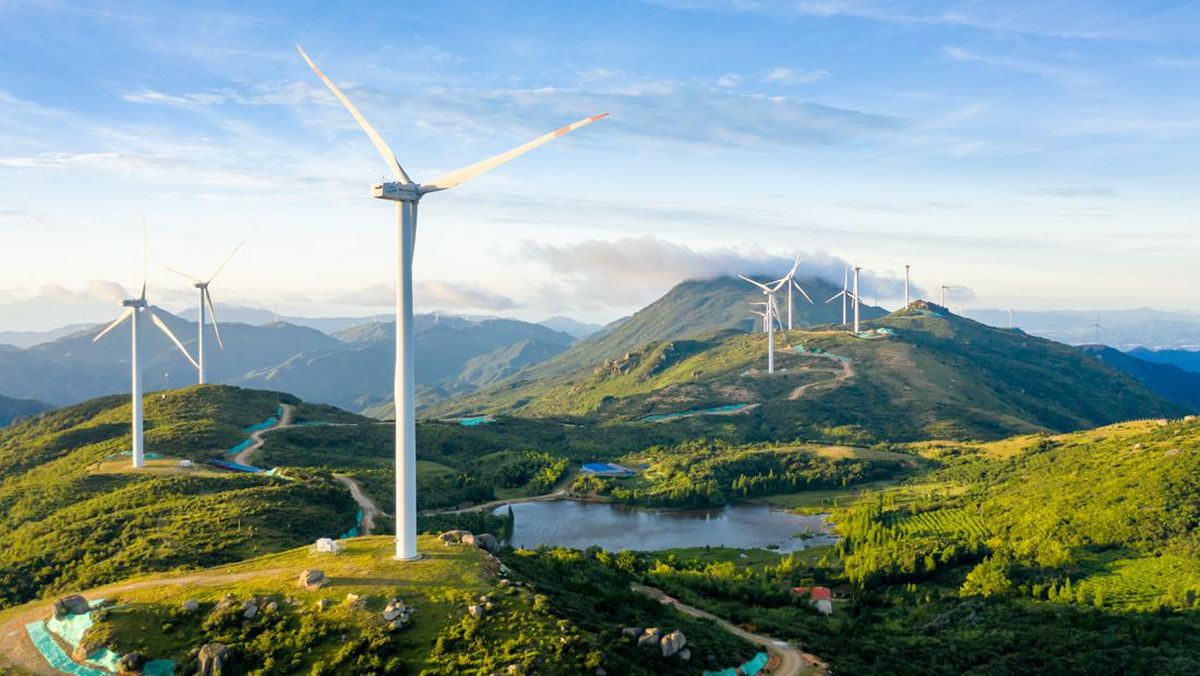
Featured image: Image of several windmills in the hills / source: Detik
Did you know that biotechnology plays an important role in many aspects of life, from agriculture to the marine sector?
In addition to contributing to improving the quality of life, this technology also supports environmental conservation efforts in a sustainable manner.
So, what is Biotechnology? In this article, we will discuss in depth the meaning of Biotechnology, its basic concepts, as well as various examples of its application in everyday life. Come on, listen!
Biotechnology is a branch of science that combines the principles of biology and technology to create or modify products and processes that are useful to humans and the environment.
Etymologically, the term bio refers to living organisms, while technology refers to the application of Science in designing certain tools, methods or systems.
Thus, Biotechnology can be defined as the utilization of biological systems to produce innovative products and technologies.

According to the Encyclopedia of Agriculture and Food Systems (2014), biotechnology is defined more specifically as the use of living organisms or biological systems in industrial activities, including the treatment of waste and the production of various essential materials.
Along with the development of Science and technology, the application of Biotechnology now covers various sectors, ranging from food, health, energy, to the environment.
One of the main concepts in biotechnology is the use of microorganisms in the production process. For example, the bacterium Acetobacter xylinum is used in the preparation of nata de coco, while the fungus Rhizopus oryzae is used in the fermentation of tempeh.
Genetic engineering is also becoming an important part of Biotechnology, where DNA manipulation is used to improve the quality of organisms. Examples include the development of pest-resistant transgenic plants or the production of insulin using Escherichia coli bacteria.
Fermentation is another biotechnological process that plays a major role in the food and energy industries. This process is used in the manufacture of products such as yogurt, cheese, to bioethanol—a renewable energy source that is environmentally friendly.
In the environmental sector, biotechnology contributes through bioremediation techniques to decompose hazardous waste and reduce pollution. In addition, innovations such as bioplastics from biological materials offer a more environmentally friendly alternative to conventional plastics.
Biotechnology is actually nothing new in human life. Since thousands of years ago, various ancient civilizations have implemented early forms of Biotechnology, albeit without the scientific understanding we have today.
Historical records show that the Babylonians, Egyptians, and Romans had been breeding livestock through the process of artificial selection since about 8000 BC. The goal is to obtain offspring with superior traits, such as high productivity or resistance to disease.
Meanwhile, in other parts of the world, the Chinese have used the fermentation process of milk since about 4000 BC to produce processed foods such as yogurt and cheese. These practices became early examples of conventional Biotechnology, the use of microorganisms and natural processes to produce more durable and nutritious foods.
Significant developments in biotechnology began to be seen in the 19th century. One of the important figures in this history is Gregor Mendel, an Austrian Monk and scientist who has been dubbed “the father of genetics.'Through experiments crossing pea plants, Mendel formulated the laws of inheritance of traits that became the basis for modern genetic science—an important foundation in the development of today's biotechnology.
Entering the era of modern biotechnology in the 1960s, two scientists named Stewart Linn and Werner Arber succeeded in isolating an enzyme that can inhibit the growth of bacteriophages, viruses that attack Escherichia coli bacteria. This discovery became the starting point of more precise genetic manipulation techniques.
In 1968, three researchers from Johns Hopkins University—H.O. Smith, K.W. Wilcox, dan T.J. Kelley-discovered and characterized the first restriction nuclease enzyme. These enzymes are capable of cutting DNA at specific locations, paving the way for genetic engineering that allows the insertion, cutting, or replacement of genes in an organism'S DNA.
From here, various applications of modern biotechnology that you know today have developed, such as the production of synthetic insulin using bacteria, the development of monoclonal antibodies for disease therapy, and the engineering of transgenic plants that are resistant to pests and extreme climatic conditions.

Biotechnology is generally divided into two main categories, namely conventional biotechnology and modern biotechnology.
Both have different approaches, both in terms of methods, technologies used, to scale and production results.
Conventional biotechnology is an early form of biotechnology that has been used since ancient times. This type uses simple methods without the aid of sophisticated technology, and is often done traditionally on a small scale.
The advantage of conventional biotechnology lies in its simplicity as well as the utilization of natural microorganisms, such as bacteria and fungi, in the production process. One of the most common processes in this type is fermentation, that is, the decomposition of substances by microorganisms to produce new useful products.
Some examples of conventional biotechnology products that you may often encounter in everyday life include tempeh, oncom, tape, tuak, and soy sauce.
Although it has been proven safe and useful for centuries, conventional Biotechnology has its limitations. This technology is less able to cope with modern challenges such as specific pest attacks, complex plant diseases, or the need for mass production in a short time.
In contrast, modern biotechnology uses advanced scientific and technological principles in its processes.
This type allows directional genetic manipulation to create new organisms or improve certain traits that are not naturally available.
Modern biotechnology is generally applied on an industrial scale, focusing on production efficiency, quality improvement, and solving specific biological problems. Not only microorganisms, this biotechnology also utilizes small components such as cells, tissues, and DNA molecules in the engineering process.
Examples of modern applications of Biotechnology include:
The main advantage of modern biotechnology is its ability to provide quick and efficient solutions to a wide range of global problems, from food crises to environmental pollution.

Biotechnology has developed rapidly and is widely utilized in various important sectors, from food to marine. Here are some examples of its application:
In the food sector, biotechnology is used to improve the quality, taste, nutritional content, and durability of food products. One of the most common methods is fermentation, which utilizes microorganisms such as bacteria and fungi.
Examples of its application include:
Biotechnology has changed the face of modern agriculture by creating efficient and sustainable solutions. Some of its main applications include:
In forestry, biotechnology supports the preservation of forests and increased production of Forestry crops.
Examples of its application:
Biotechnology plays a central role in the development of modern medical solutions. Examples:
In the industrial world, biotechnology is used to create high economic value products efficiently and environmentally friendly. Its application includes:
The Sea holds great potential for the development of biotechnology based on Marine Biological Resources. Examples of its application:
As rapid advances in science and Technology, Biotechnology is increasingly asserting its role as a strategic solution to global challenges. From the food sector to the marine sector, the application of Biotechnology has made a real contribution in increasing production efficiency, improving quality of life, and supporting sustainable practices.
By combining scientific principles and modern technological approaches, biotechnology is able to produce innovations that are more environmentally friendly, adaptive to change, and relevant to today's needs. This technology not only addresses the issues of food security and improved health services, but also offers concrete strategies for the conservation of Natural Resources and the preservation of ecosystems.
For this reason, it is important for us as part of modern society to understand, support and apply biotechnology wisely and responsibly. With the right utilization, Biotechnology can be a bridge to a healthier, sustainable and inclusive future—not just for today's generation, but for generations to come.
References:
Featured image: Biotechnology comes from the English words “bio” and “tech”, as shown in the picture. Source: Freepik
Did you know that kitchen waste such as fruit peels, tea grounds, and vegetable pieces do not have to be thrown away immediately? Organic waste can actually be used as a useful product in everyday life.
One of the increasingly popular ways of processing it is by creating an ecoenzyme.
Imagine if kitchen waste that usually ends up in the trash can actually be turned into a multifunctional liquid that is beneficial for Home Hygiene, plant health, and even the environment. Interesting, isn't it?
Then, how to make it and what are the benefits you can get? Come on, find out more!
Ekoenzyme, or eco enzyme, is a liquid resulting from fermentation of organic materials such as fruit and vegetable peels with added sugar and water.
This process creates complex solutions containing various active enzymes and natural chemical compounds.
The concept of ecoenzyme was first introduced by Dr. Rosukon Poompanvong from Thailand as an environmentally friendly method of managing household waste and reducing the impact of global warming. This idea was later developed and popularized by Dr. Joean Oon, a naturopath from Malaysia, who further examines the benefits of eco-enzymes in everyday life.
The fermentation process of the eco-enzyme takes place anaerobically (without air) for about three months. During this time, microorganisms decompose organic matter and produce enzymes and compounds such as acetic acid, propionic acid and natural probiotics.
Each batch of ecoenzymes can have a different enzyme composition, depending on the type of material used and the fermentation conditions. But in general, ecoenzymes contain the following main types of enzymes:
The main raw materials for making ecoenzymes usually consist of orange peel, pineapple, mango, tomato, and green leaves. This combination of ingredients contributes to the complexity and stability of enzymes during the fermentation process.
During fermentation, the eco-enzyme solution will undergo a change in color and aroma. Successful ecoenzymes generally have the following characteristics:
Ecoenzyme is a versatile liquid from the fermentation of organic waste that can be used in various fields, ranging from household needs, Agriculture, Animal Husbandry, to waste treatment.
In addition to being more environmentally friendly, its use is also much more efficient than synthetic chemical products that have the potential to pollute nature.
Most conventional cleaning products contain chemicals such as phosphates, nitrates, ammonia, and chlorine. If discharged into waterways, these substances can pollute the environment and negatively affect long-term health.
As a natural alternative, ecoenzymes can be used in various household activities, including:
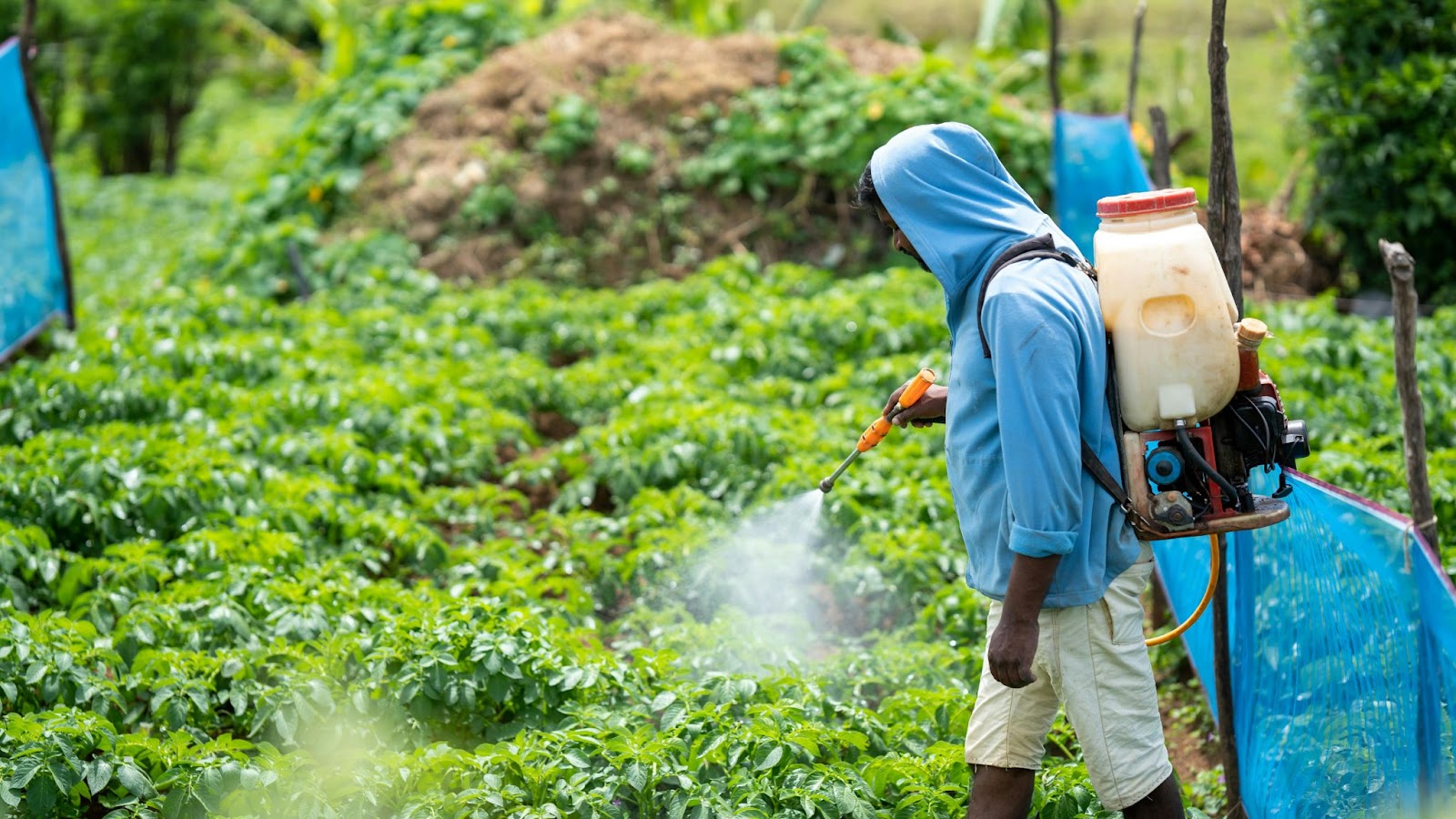
Excessive use of pesticides and chemical fertilizers in agriculture leads to soil degradation and environmental pollution. Ecoenzymes are present as a natural solution that supports sustainable agriculture. Benefits include:
In the world of livestock, ecoenzymes can create a cleaner and healthier environment, while improving the welfare of farm animals. Some of the benefits of its use are:
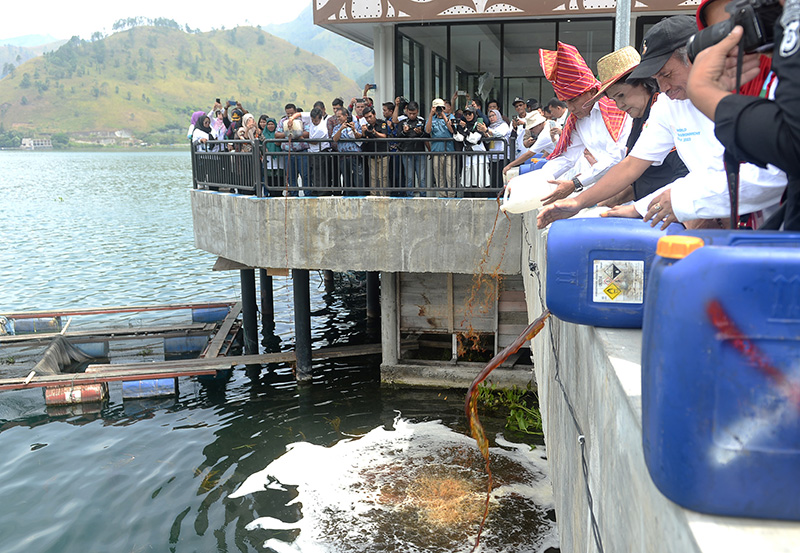
In contrast to ordinary detergents that only emulsify fats, eco-enzymes work as natural catalysts that decompose fats and contaminants into simpler molecules. This process makes cleaning more effective and does not pollute the water.
By pouring the diluted ecoenzyme into a river, ditch, or drainage system, you can help:
The use of eco-enzymes also has a direct impact on reducing the volume of organic waste. Because it is made from food waste and fruit peels, eco-enzymes help to significantly lower the cost of managing household waste.
Want to contribute to reducing kitchen waste and at the same time get a versatile liquid that is environmentally friendly? You can make your own ecoenzyme at home with simple ingredients. Here are the tools, materials, and steps you need to know.

Ecoenzymes are made from three main components: sugar, fruit and vegetable residues, and water. The comparison ratio is 1: 3: 10. That is, for every 1 kg of sugar, you need 3 kg of leftover fruits and vegetables and 10 liters of water.
Ingredients used:
Necessary tools:

Clear plastic jar with a red lid and contains a mixture of organic waste, sugar ,and water (Source: monoandco.com)
Creating an eco-enzyme is not only a matter of managing kitchen waste, but also a real step towards a more sustainable lifestyle and caring for the environment. By utilizing materials that are commonly considered garbage, you can produce versatile liquids that are beneficial for households, agriculture, to environmental preservation.
In addition to saving costs, the use of eco-enzymes also helps reduce dependence on synthetic chemicals that are at risk of polluting water and soil. The manufacturing process is simple, the ingredients are easy to find, and the benefits are vast.
So, what are you waiting for? Start from your own kitchen and invite family or friends to try making ecoenzymes together. This one small step can have a big impact on a cleaner and healthier Earth.
Referencessources :
Enzymesos. What is Eco Enzyme?. Accessed on March 8, 2025
Featured Image: Limbah organik (Pexels.com/Denise Nys)


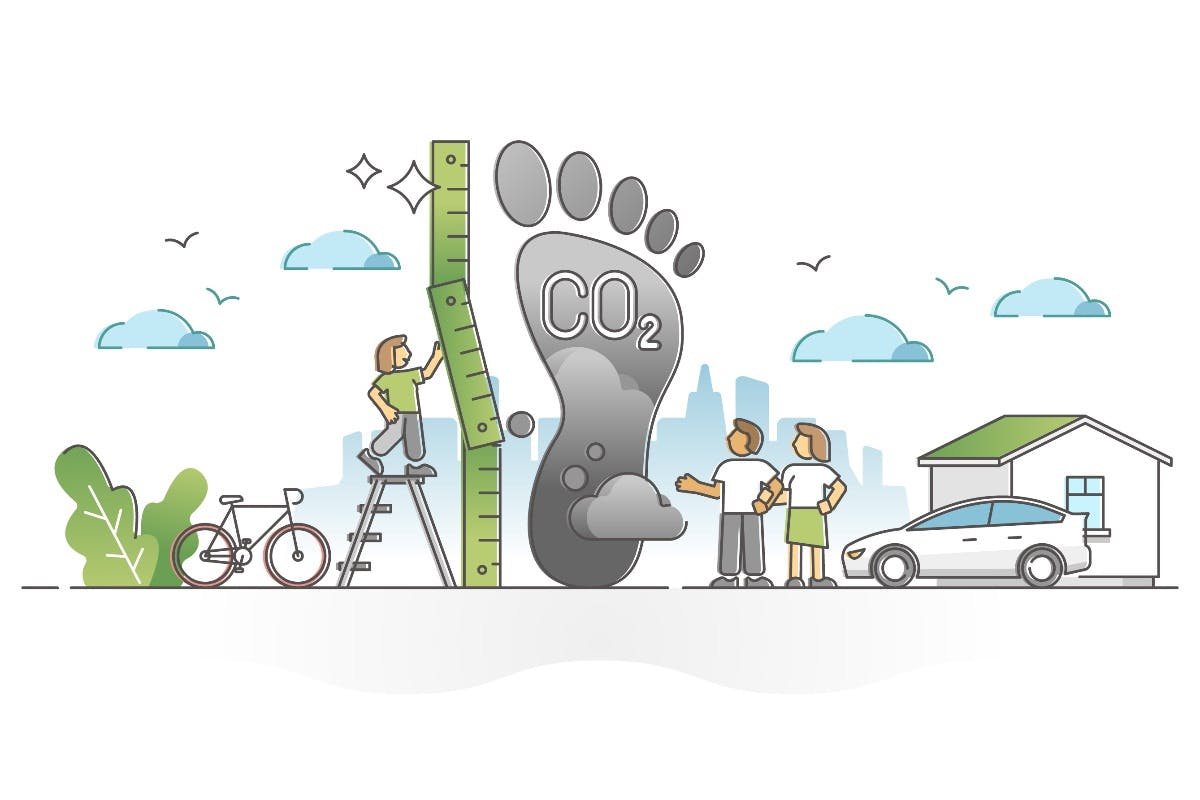

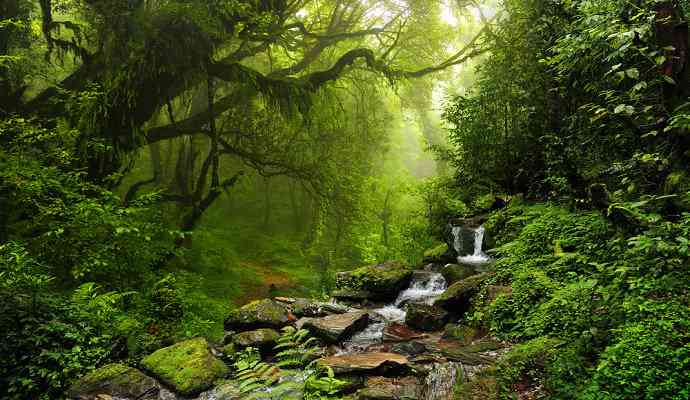
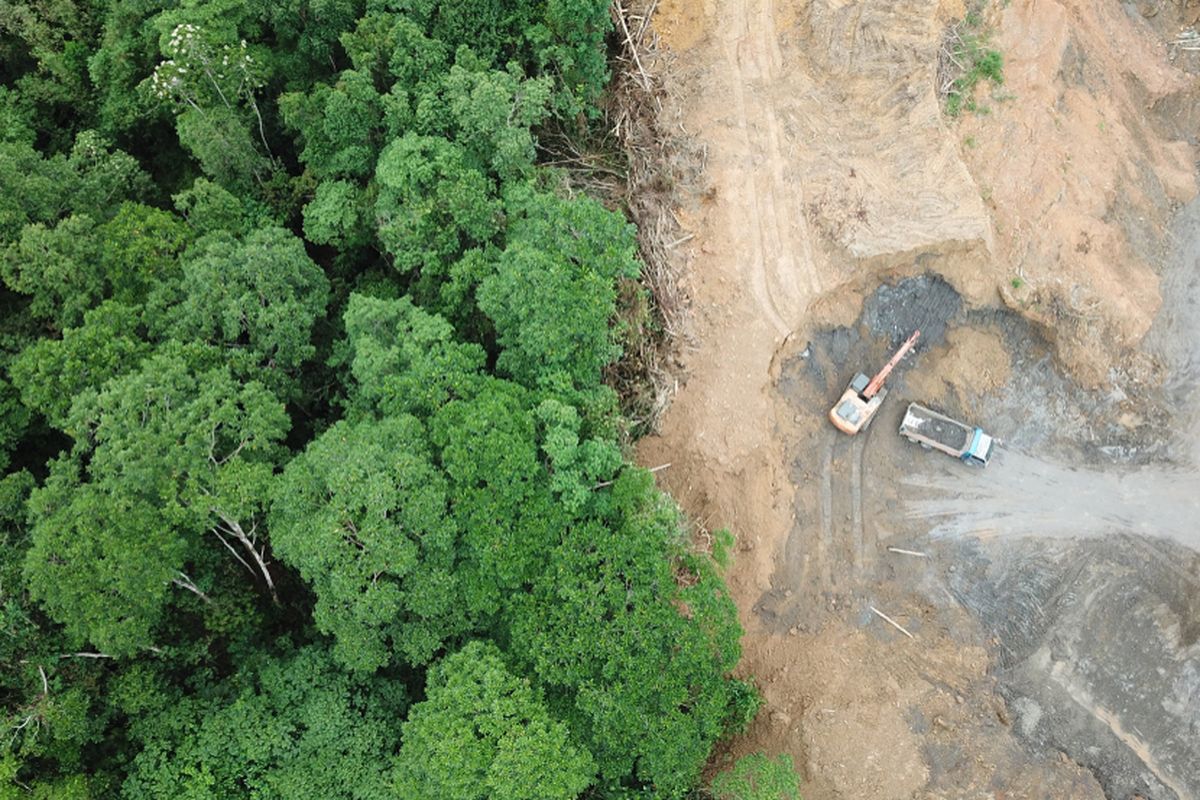
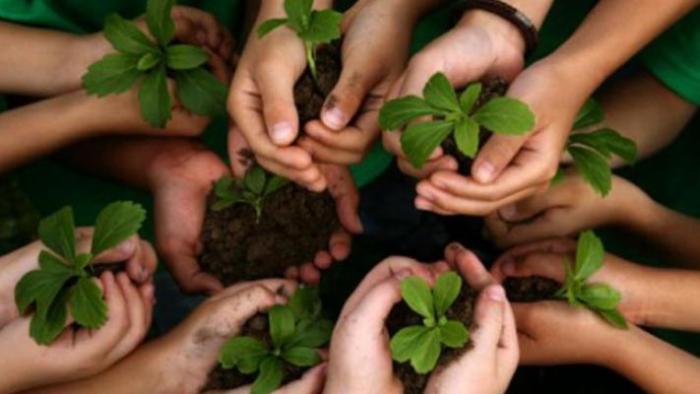
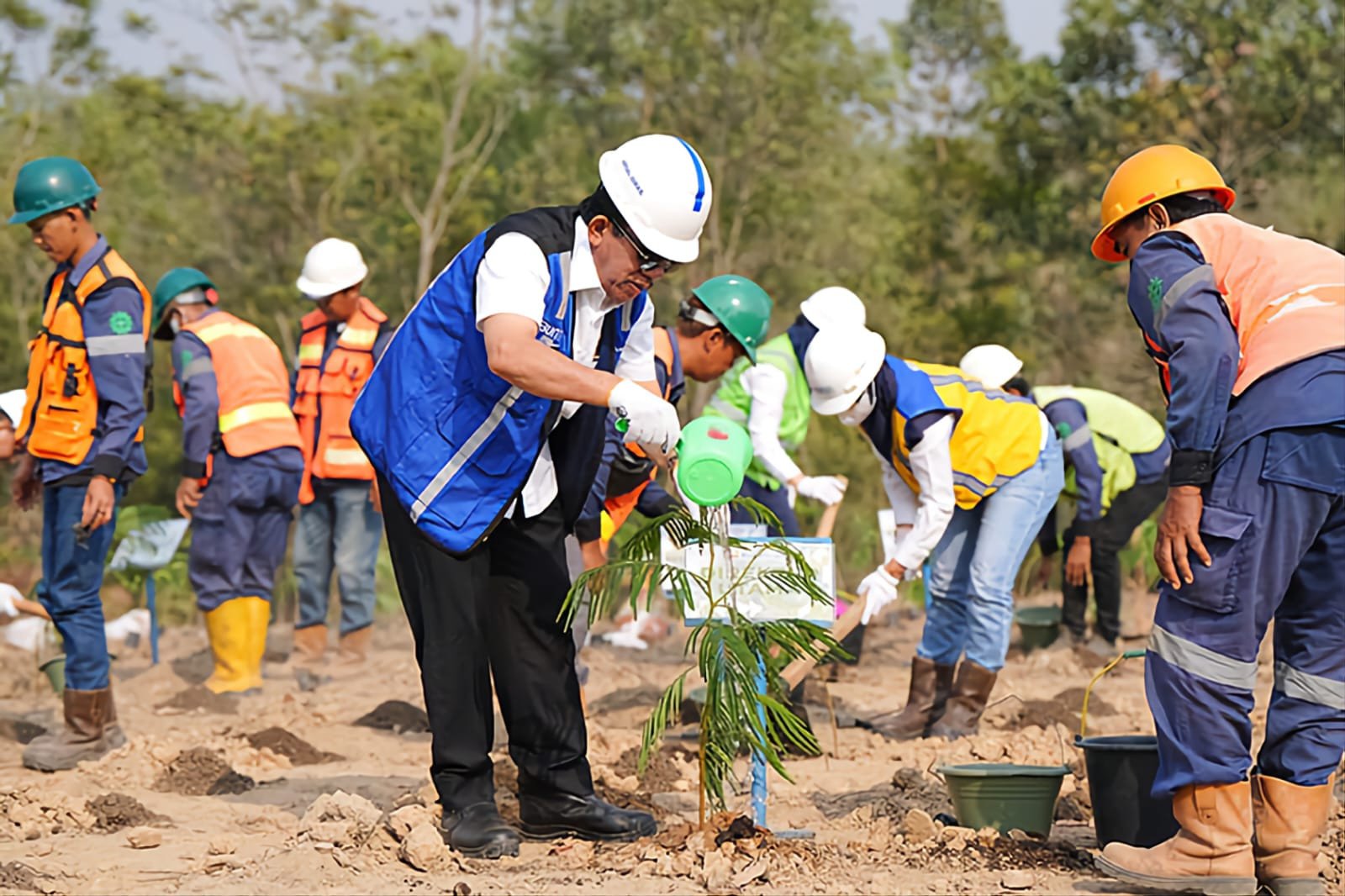

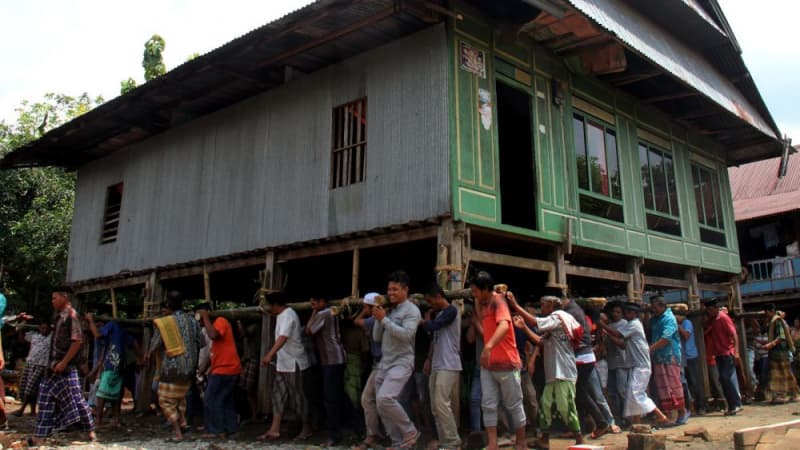
:strip_icc():format(jpeg)/kly-media-production/medias/1551394/original/007855000_1490846764-20170329-Muda-mudi-Rayakan-Tradisi-Omed-omedan-Setelah-Hari-Raya-Nyepi-AP-5.jpg)