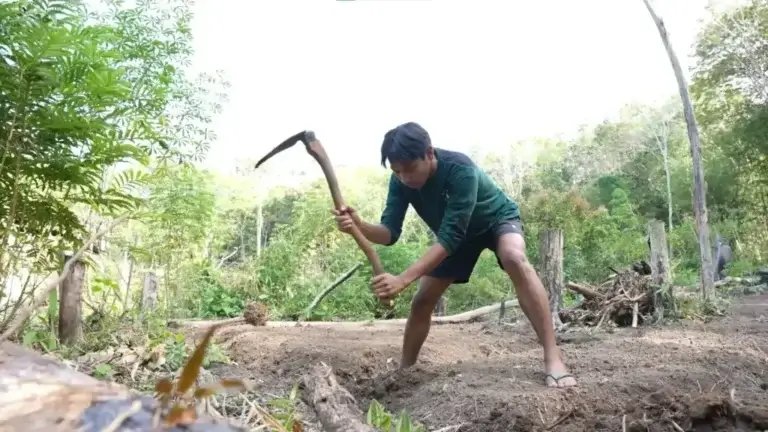
Have you ever stepped on the ground that feels soft, wet, even slightly swaying? If so, chances are you're in the thick of it!
This land is not just an ordinary wetland, but an ecosystem rich in organic matter and has a crucial role in maintaining environmental balance.
From storing huge amounts of carbon to being home to rare species, peatlands hold many interesting facts that are rarely known. However, behind its tremendous benefits, this ecosystem also faces serious threats due to human activities.
Let's take a closer look at what peatlands are, how they are formed, and why their preservation is so important to our lives!
According to Wetlands International, peatland is a type of wetland that has a watery soil layer and is composed of dead plant material that undergoes a slow decay process.
Meanwhile, Kamus Besar Bahasa Indonesia (KBBI) defines peatland as land formed from litter, wet plant residues, or rotting puddles and undergoes a very slow decomposition process.

Peatlands are formed through the accumulation of organic matter derived from decaying plant remains over thousands of years. This process occurs in waterlogged environments, such as swamps, river basins and coastal areas.
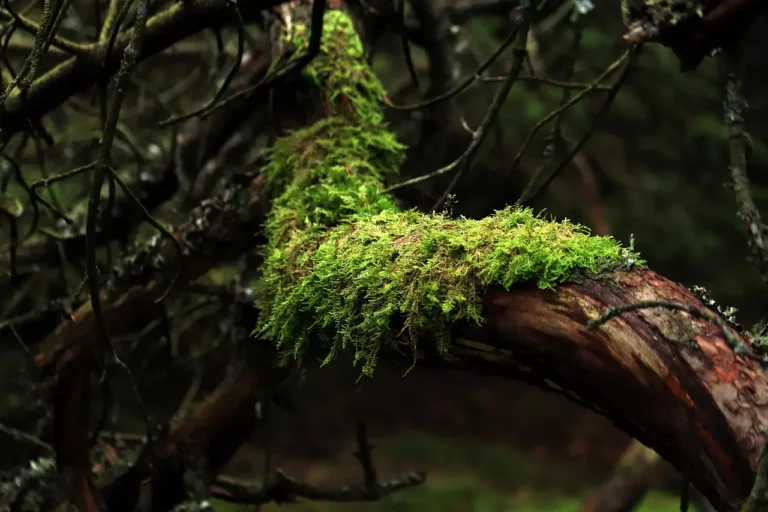
Menurut buku Creating and Restoring Wetlands (Second Edition) karya Christopher Craft (2022), lahan gambut dapat terbentuk dari berbagai jenis vegetasi, termasuk lumut gambut (Sphagnum), tumbuhan herba, serta vegetasi berkayu.
Because it is formed in an oxygen-poor environment (anaerobic), the organic matter in peat does not decompose completely. The decomposition process, which proceeds very slowly, leads to the accumulation of a large amount of organic matter, thereby forming a thick layer of peat.
Peatlands are classified into several types based on location, formation environment, maturity, fertility, and depth.
Coastal peat forms around coastal areas and is affected by sea tides. This type of peat gets additional minerals from sea water, so it has unique characteristics compared to other types of peat. The dominant vegetation in this area is mangrove forest.
Inland peat is formed far from the coastline and is affected only by rainwater. Unlike coastal peat, this type does not receive mineral enrichment from the sea. Vegetation growing on inland peatlands is dominated by broadleaf Woodlands.
As the name implies, transitional peat is formed between the coastal and inland areas. This type has characteristics that are a combination of coastal peat and inland peat, both in terms of soil composition and vegetation growing on it.

Topogenous peat is formed in areas of basins or lakes that are directly above mineral soils. The process of its formation is influenced by river water runoff and sea tides.
In contrast to topogenous peat, ombrogen peat is formed mainly due to precipitation without significant influence from river or sea water. This type of peat is commonly found in regions not far from the coast.
Sapric peat is the most mature type of peat. The organic matter in it has undergone complete weathering so that its origin is difficult to identify. The color of this peat varies from dark brown, gray, to black. In texture, sapric peat is smoother than other types of peat.
Fibric peat is peat that is still young and has not undergone complete weathering. The original material can still be easily identified. The structure of fibrous peat is dominated by coarse fibers with a brown tint.
Hemic peat is a type of semi-mature peat, where some of the organic material has been weathered but there are still parts that can be recognized. The texture is somewhere between Fine sapric peat and coarse fibrous peat. The color of hemic peat is generally Brown.
This type of peat has a high fertility rate because it is rich in minerals, bases and nutrients. Eutrophic peat is often found in areas that receive mineral supplies from river water or sea tides.
Mesotrophic Peat has a moderate fertility rate, with a mineral and alkaline content that is not very high but still sufficient to support vegetation growth.
Oligotrophic peat is the least fertile type of peat because it is poor in minerals and nutrients. This type is generally found in areas that only get water supply from rainfall, without additional minerals from other sources.
Peatland that has a thickness of between 50-100 cm. This type can generally still be used for agriculture with certain management techniques.
Peatland with a thickness of between 100-200 cm. This type of peat begins to contain thicker organic matter and requires special treatment if it is to be used for agricultural or plantation activities.
Peatland that has a thickness of between 200-300 cm. This type stores more carbon and tends to be more susceptible to degradation if dried or used unsustainably.
Peatland with a thickness of more than 300 cm. This type has a very high organic matter content and plays an important role in global carbon storage. Very deep peat should still be preserved to maintain ecosystem balance.
Peatlands have unique characteristics from other lands. The characteristics of peatlands are as follows.

Peatlands have an important role in maintaining the balance of ecosystems and human life. Here are some of the main functions of peatlands:
Peatlands serve as the world's largest absorber and store of carbon. A thick layer of peat contains organic matter that has not yet been completely decomposed, so it is capable of storing large amounts of carbon. If peatlands are damaged or burned, the stored carbon will be released into the atmosphere in the form of greenhouse gases such as carbon dioxide (CO₂) and methane (chī), which can accelerate climate change.
Peatlands act as natural sponges that absorb and store large amounts of water. Its ability to regulate water helps reduce the risk of flooding during the rainy season and maintain the availability of water during the dry season.
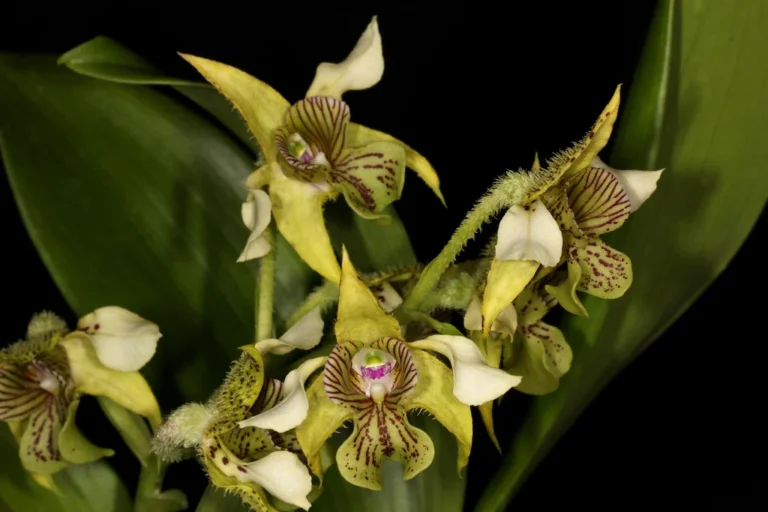
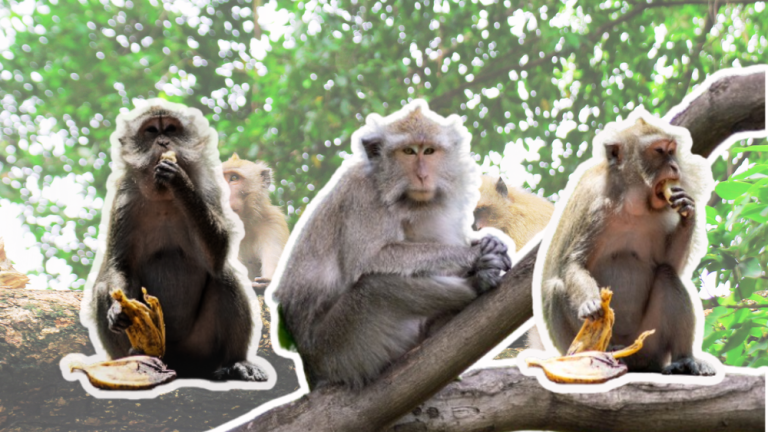
Peatlands are home to a wide variety of flora and fauna, including rare and endemic species such as orangutans, Sumatran tigers, and hornbills. In addition, peat ecosystems also support the growth of various types of typical plants, such as ramin (Gonystylus bancanus) and jelutung (Dyera costulata).
For people living around peatlands, this ecosystem is a source of livelihood, both through non-timber forest products (such as rattan and forest honey) and environmentally friendly fishing and farming activities.
Peatlands have the ability to filter water naturally by retaining pollutant particles and maintaining groundwater quality. This helps to keep water sources clean for ecosystems and humans.
In coastal areas, peatlands serve as natural fortifications that help prevent seawater from entering the mainland. This is important to maintain the balance of freshwater ecosystems and prevent agricultural land degradation due to salinization.
Peatlands have a very important role in maintaining ecosystem balance, storing carbon, regulating the water cycle, and being a habitat for various flora and fauna. In addition, peatlands also support the lives of surrounding communities by providing natural resources of economic value.
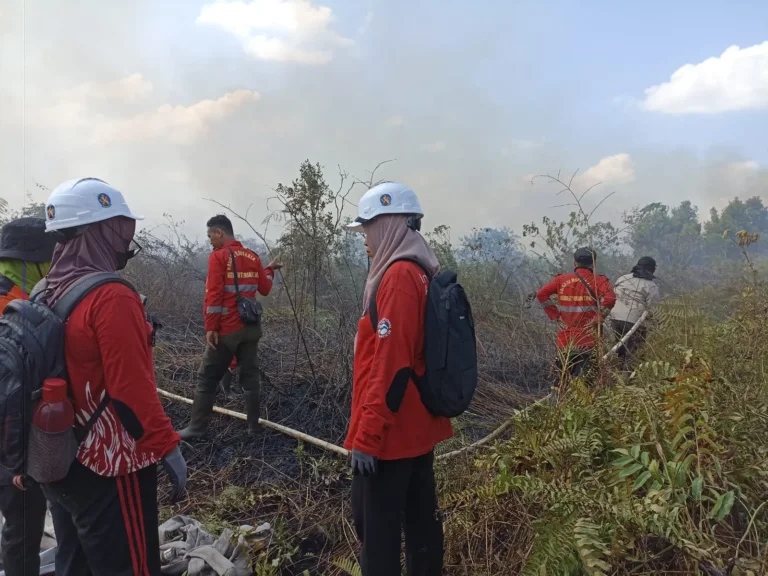
However, threats to peatlands, such as land conversion, fires, and unsustainable draining, can lead to serious environmental impacts, including increased greenhouse gas emissions and loss of biodiversity. Therefore, the preservation and wise management of peatlands is needed so that the benefits can continue to be felt by future generations.
By understanding the function and importance of peatlands, it is expected that awareness of efforts to preserve this ecosystem will increase, both at the individual, community, and government levels.
Sources and references: